


Is Luxor Safe for Solo Female Travellers?
East Bank vs West Bank, the Karnak-Valley calèche-driver hassle, the Nile-cruise versus shore-stay calculus, and what really happens when an Egyptian taxi driver invites you for tea.

Luxor is one of the more harassment-heavy cities in Egypt for solo female travellers — measurably more than Cairo or the Red Sea resorts. The single most useful fact: the harassment baseline in Luxor is verbal, persistent, transactional, and rarely physical; the "where are you from, my friend?" / "come for tea" / "you remember me, I am your driver from yesterday" patterns are the daily experience, not the exception. Solo women who book a Nile cruise (which provides on-board insulation), or stay at a riverside hotel (Sofitel Winter Palace, Hilton Luxor Resort, Steigenberger Nile Palace) and use private pre-arranged guides for sites, have a vastly easier time than those who try to do Luxor on foot with public transport.
That said, violent crime against tourists in Luxor is exceptionally rare. The Egyptian Tourism Police (a dedicated branch) operate visible checkpoints at every major site and along the Corniche. The 1997 Hatshepsut Temple attack and the 2015 Karnak attack are the only major tourist-targeted incidents in three decades; security posture since 2015 has been heavy, and 2024-2025 saw no serious tourist incidents at Luxor sites.
The city splits across the Nile: East Bank — modern town, train station, Luxor Temple, Karnak Temple, most hotels, the Corniche; West Bank — ancient necropolis, Valley of the Kings, Valley of the Queens, Hatshepsut Temple, Colossi of Memnon, smaller hotels in Gurna. The day-trip rhythm for most tourists is East-Bank-hotel → West-Bank-sites in morning → ferry/bridge back → East-Bank-temples in afternoon.
| Night safety | 55/100 |
|---|---|
| Scam / petty-crime risk | High |
| Violent crime (tourists) | Low |
| Most common scams | calèche-driver hustle; persistent vendor pressure in Souk; freelance 'guides' at Karnak Temple |
| Safer neighbourhoods | East Bank, Corniche, Karnak Temple area |
| Data sources cited | 4 |
| Last verified |
East Bank vs West Bank — different safety profiles
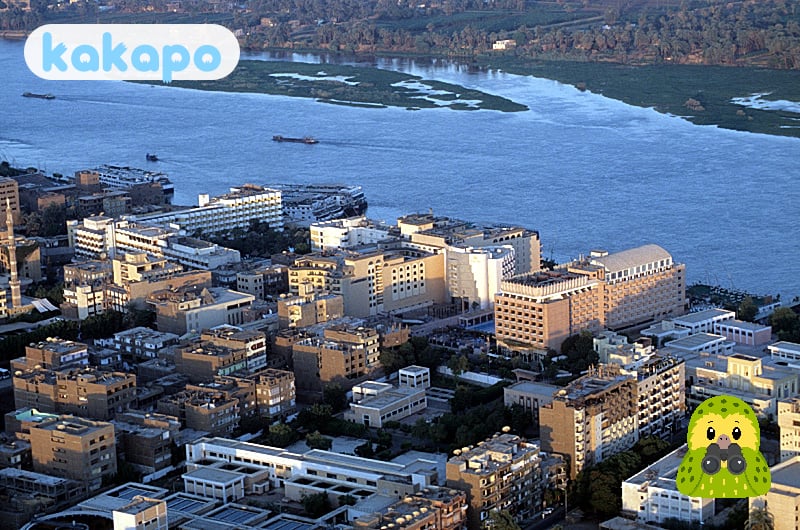
- East Bank — Corniche: the riverside promenade between the Winter Palace and Luxor Temple. Heavily policed, well-lit, busy with locals + tourists; safe for solo women walking until ~22:00.
- East Bank — Souk (off Sharia al-Mahatta): tourist bazaar; persistent vendor pressure; safe but exhausting for solo women.
- East Bank — Karnak Temple area: 3km north of central Luxor. Most tourists arrive by tour bus or pre-booked taxi. Calèche drivers (horse-drawn carriages) and freelance "guides" cluster at the entrance.
- East Bank — outside the Corniche grid: residential, less interesting, less foreign-tourist presence; walk-only in daylight.
- West Bank — official sites (Valley of the Kings, Hatshepsut, Valley of the Queens, Colossi of Memnon): heavily policed; Tourism Police checkpoints at every entrance.
- West Bank — Gurna villages: residential, very traditional, locals friendly but conservative. Solo women walking alone here is unusual and attracts attention.
- West Bank — ferry / bridge crossing: the local ferry from East Bank Corniche to West Bank costs EGP 5-10 (~€0.10-0.20) and is heavily used by locals. The Luxor Bridge (south of the city) is for cars/buses.
Harassment patterns — what solo women actually report
- "Where are you from, my friend?" — the universal opener. Often genuinely friendly; sometimes the prelude to a sales pitch (souvenir shop, calèche ride, "my brother's hotel"). Smile-and-walk works.
- "Come for tea" — invitation to a shop. The tea is real; the high-pressure sales pitch is the cost.
- "You remember me, I am your driver from yesterday" — claimed familiarity even on day one. They're hoping you'll feel guilty refusing.
- Calèche-driver hustle: persistent, sometimes physically blocking your path with the carriage. The price quoted (€10-20) is fine if you actually want one; agree the route + price before boarding.
- "Bedouin boyfriend" pattern: not as endemic as in Petra or Dahab but present. Tourist Police active; the social pattern is more common at Red Sea resorts.
- Souk vendor pressure: persistent, theatrical, mostly verbal. "La, shukran" + keep walking. Touching merchandise creates a sales obligation; don't pick things up unless you're considering buying.
- Physical harassment / groping: rare at official sites (heavily policed); has been reported on crowded calèches, in some souk corners, and on the local ferry by some solo female travellers. Report to Tourism Police immediately if it happens.
Transport — taxi, calèche, ferry, microbus, Uber
- Taxi (regulated): white-and-blue. Agree fare before boarding (Luxor doesn't use meters universally). Central East Bank to Karnak ~EGP 100-150 (€2-3); to West Bank via bridge ~EGP 400-600 (€8-12).
- Uber / Careem: Careem operational in Luxor since 2023; Uber expanded coverage 2024. Both are safer than street taxis for solo women — app-priced, GPS-tracked, no fare negotiation. Use them.
- Calèche: horse-drawn carriage along the Corniche or to Karnak. Tourist-only; €10-20 a ride. Welfare conditions for the horses are mixed; some operators are better than others. ESMA (Egyptian Society of Animal Friends) has flagged some operators.
- Local ferry (East-West Bank crossing): EGP 5-10 (€0.10-0.20). Used heavily by locals. Solo women report mostly fine but crowded; physical proximity is unavoidable.
- Microbus: shared minivans. Locals only; not advisable for solo female tourists; routes are unmarked and complicated.
- Bicycle: Hotels rent bikes; cycling Karnak from central Luxor is feasible (3km, mostly Corniche). On the West Bank you can cycle Hatshepsut + Valley of the Kings but it's hot and the climbs are real.
- Hot-air balloon: at sunrise over the West Bank. €50-100 per person; book through your hotel or a Sofitel concierge; safety record post-2013 disaster (when 19 died) has been excellent — regulated by EgyptAir tourism oversight.
Nile cruise vs hotel stay — the solo-female calculus
- Nile cruise (Luxor ↔ Aswan): 3-7 nights on a Movenpick/Oberoi/Sonesta/Sanctuary cruise ship. Includes all meals, guided shore excursions, on-board security. Insulates solo female travellers from much of the harassment baseline; cruise companions tend to be older couples and small groups, social by design.
- Cost: €100-400 per person per night on the standard cruise tier; €600-1,500 per night on Sanctuary or Oberoi.
- Best ships for solo women: Oberoi Philae (high-end, calm), Sanctuary Sun Boat IV (luxury), Movenpick Royal Lily (mid-range, well-staffed), Sonesta Star Goddess (mid-range).
- Hotel-based Luxor: cheaper, more flexibility on sites and timing, but requires more daily harassment-management work. Sofitel Winter Palace (5-star colonial), Hilton Luxor Resort (modern), Steigenberger Nile Palace (mid-luxury) are the riverside choices; all have pools and gated perimeters.
- West Bank guesthouses: Al Moudira Hotel (luxury, isolated), Beit Sabée (small B&B), several Marsam-area guesthouses. Very atmospheric but remote — getting to East Bank temples + restaurants requires taxi for every move.
- Recommendation for first-time solo female: Nile cruise. Cost-similar to a 5-star hotel + private guides, with built-in social context and on-board insulation.
The sites — Karnak, Valley of the Kings, the timing
- Karnak Temple — the largest religious complex ever built. EGP 450 (€9) entry. Open 06:00-17:00. Visit at 07:00 to beat heat + crowds. Sound and Light show in evenings (EGP 600).
- Luxor Temple — in central East Bank. EGP 400. Open 06:00-21:00; the evening lighting (after sunset) is the photogenic time.
- Valley of the Kings — West Bank. EGP 750 (€15) for entry + 3 tombs; extra for Tut, Seti I, Ramses VI. Open 06:00-17:00. Visit by 07:00 — by 09:00 it's 40°C+ and the bus tours arrive.
- Hatshepsut Temple (Deir el-Bahari) — West Bank, 5km from Valley of Kings. EGP 360. Open 06:00-17:00.
- Valley of the Queens — smaller, less-visited; Nefertari's tomb requires a separate EGP 2,000 ticket (€40).
- Colossi of Memnon — free, roadside, 10-min stop.
- Solo-female protocol: book a private guide + driver through your hotel or cruise ship (€60-100 for a full West-Bank day); the official guide deflects the freelance "guides" and "watchman tips" hassle at every tomb.
The solo-female Luxor rules
- Pre-book private guide + driver for any West Bank or Karnak day. Don't rely on street-hailed taxis.
- Visit sites at 06:30-07:00 opening — beat heat and tour buses.
- Refuse calèches firmly: "la, shukran" + keep walking, even if they follow.
- Dress conservatively: shoulders + knees covered; loose fits; headscarf optional but appreciated at active mosques.
- Tourism Police at every official site: report harassment immediately; they take it seriously and English-speakers are usually on staff.
- Stay riverside: Sofitel Winter Palace, Hilton, Steigenberger — gated perimeters, pool day-rooms, on-site restaurants reduce the daily harassment surface.
- Nile cruise considered over hotel for first-time solo female visitors.
- Emergency: 122 (police), 123 (medical), 126 (tourism police).
Frequently asked questions
Is Luxor safe for solo female travellers in 2026?
Yes in the violent-crime sense — Tourism Police saturation at sites, no significant tourist incidents since 2015. But harassment-heavy in the verbal-persistent-transactional sense, more so than Cairo or Red Sea resorts. Solo women who book a Nile cruise, or stay at a riverside hotel with pre-booked private guides, have a vastly easier time than those trying to do Luxor on foot with public transport.
Is Karnak Temple safe?
Yes — heavily policed, Tourism Police checkpoint at the entrance, busy with international tour groups throughout the day. The catch is the calèche-driver and freelance-guide hassle clustered at the entrance. Pre-book a private guide + driver and arrive at 07:00 opening for the calmest experience.
Should I do a Nile cruise or stay at a Luxor hotel?
For first-time solo female visitors, a Nile cruise is the easier choice. Built-in social context (cruise companions are often older couples and small groups), all-included shore excursions with vetted guides, on-board security, full insulation from the daily harassment baseline. Cost-similar to a 5-star hotel plus private guides. Oberoi Philae, Sanctuary Sun Boat IV, Movenpick Royal Lily are well-staffed options.
Is the East-West Bank ferry safe?
Yes — heavily used by locals, EGP 5-10. Crowded; physical proximity is unavoidable. Some solo female travellers report unwelcome contact in dense crowds; pre-booked taxi + Luxor Bridge is the more comfortable alternative if budget allows.
Can I take Uber in Luxor?
Yes, since 2024. Careem (Egyptian-owned, operational since 2023) and Uber both work. App-priced, GPS-tracked, no fare negotiation — vastly safer for solo women than street-hailed taxis. Coverage is better in central East Bank than out by the West Bank sites.
What's the West Bank like for solo women?
The official sites (Valley of the Kings, Hatshepsut, Valley of the Queens, Colossi of Memnon) are heavily policed and safe. The Gurna villages and back roads are very traditional; solo women walking alone is unusual and attracts attention. Book a private guide + driver for any West Bank day — it removes the navigation question entirely.
What should I wear in Luxor?
Conservatively: shoulders and knees covered, loose fits, light cotton or linen for the heat. Headscarf optional but appreciated at active mosques (Abu Haggag, on top of Luxor Temple). At hotel pools and on Nile cruise ships, swimwear is fine. In the souk and on the street, bare shoulders and short shorts attract significant verbal attention.
Sources
Run a business in Luxor?
Show visitors your Luxor business is a safe choice. The free Verified by Kakapo badge puts Luxor's live safety score on your website, links back to your verified page, and updates itself. No cost.
Get the free badge →