


Is Karlovy Vary, Czech Republic Safe? A 2026 Travel Safety Guide
Karlovy Vary is among Europe's safer spa towns. The honest concerns: thermal-spring etiquette, the cliff colonnade walks, the film festival, and Becherovka tastings.

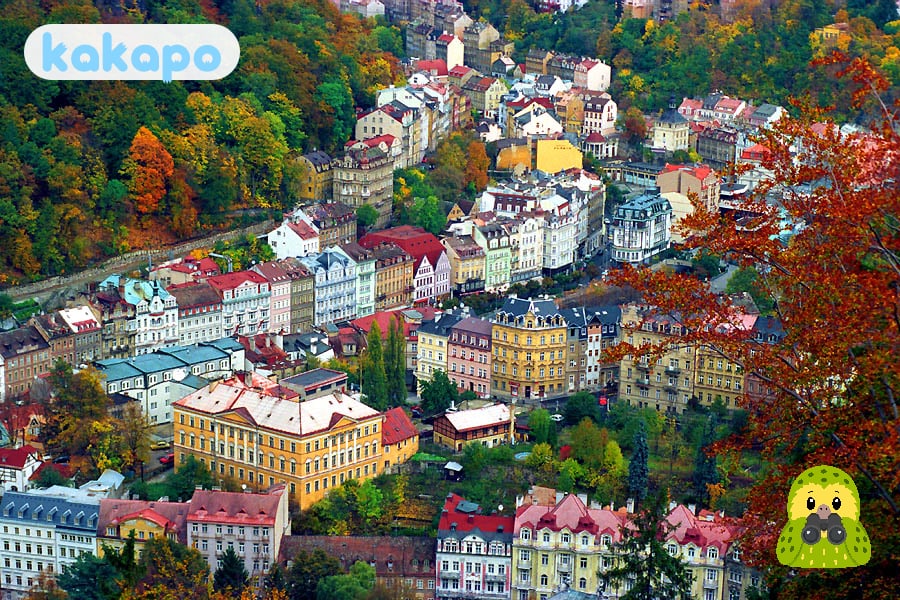
Karlovy Vary is one of Europe's safer spa towns. Crime against tourists is essentially zero. The realistic concerns are unique to the spa town format: the thermal-spring etiquette + the cup-and-sip routine that catches first-timers, the colonnade walks along cliffs above the Teplá river, the famous Becherovka herbal liqueur that tastes deceptively gentle, the Karlovy Vary International Film Festival (KVIFF) week in early July that fills hotels at 4× rates, and the geographical reality of being 130 km from Prague (a long day-trip).
Czech Republic sits at Level 1 on the US State Department advisory list. UK FCDO carries no specific warning. The honest framing for visitors: Karlovy Vary (Karlsbad) has been a thermal spa since the 14th century. Historically heavily Russian-tourist-oriented (Russians own much of the property), the post-2022 sanctions context has reduced Russian visitor flow significantly. The town is now more diverse + less seasonal than 2018-style guidebooks suggest.
The defining experiences: walking the five colonnades (Mill, Park, Castle, Hot Spring, Market) and tasting from each, the Vřídlo geyser (12 m water column), the Diana funicular for the lookout, the Moser glass factory tour, and the KVIFF in early July if your timing aligns.
| Night safety | 83/100 |
|---|---|
| Scam / petty-crime risk | Low |
| Violent crime (tourists) | Low |
| Safer neighbourhoods | Mlýnská kolonáda, Hot Spring Colonnade (Vřídelní kolonáda), T.G. Masaryka |
| Data sources cited | 4 |
| Last verified |
What the score means — 86/100
- Personal safety (92) — extremely high.
- Air quality (92) — Bohemian forest + valley spa, very high.
- Healthcare (86) — local clinic + spa-specialist medical centres are excellent for chronic-condition treatment; major emergencies referred to Plzeň.
- Transport (84) — local buses + the rail link to Prague (slow). Walkable centre.
Thermal-spring etiquette + the porcelain cup
- The 12 free-tasting springs: numbered 1-13 (no 8) inside or near the colonnades. Temperatures 30-72°C; mineral content varies.
- The cup: locally a "lázeňský pohárek" — a small porcelain cup with a hollow handle for sipping. Bought from any shop, ~CZK 100-300 (€4-€12).
- Why the handle: the spring water deposits minerals that stain teeth + tastes earthy. Sipping through the handle reduces tooth-mineral exposure.
- The doses: traditional spa-cure prescribes specific springs + amounts. Casual visitors taste 50-100 ml from each. More than that = laxative effect.
- Don't sip the hottest spring (Vřídlo, 72°C): it's served warm (40°C) in the colonnade taps; raw geyser water at 72°C is dangerous.
- Cold-spring tasters: Spring 13 is cooler.
- Pickpockets: zero.
The five colonnades + cliff walks
- Mill Colonnade (Mlýnská): the iconic 132 m long Renaissance-revival promenade. Five springs.
- Hot Spring Colonnade (Vřídelní): modernist; houses the Vřídlo geyser, 12 m water column erupting every minute.
- Park, Castle, Market colonnades: smaller; each has 1-2 springs.
- Cliff path (Stezka přátelství): the wooded path above the colonnades. Slippery in rain; sturdy shoes.
- Diana Tower: hilltop viewpoint via funicular (CZK 110 round trip) or 1h walk uphill.
- The Stag Leap (Jelení skok): viewpoint with a deer statue; watch the cliff edges with children.
Karlovy Vary International Film Festival (KVIFF)
- When: 9 days in early July. 2026 dates: roughly July 3-11.
- What it is: world-class film festival; 250+ films. Public access (not just industry).
- Hotel prices: 3-4× normal. Book 6+ months ahead.
- Public passes: ~CZK 800-1,200 weekly. Individual screenings ~CZK 100.
- The Hotel Thermal: festival HQ. Brutalist architecture; loved + hated.
- Crime spike: minor; pickpocketing in the queue compression.
- If you don't want this: visit any other week. Late June or late July.
Post-2022 demographic shift
- Pre-2022 reality: Russian tourists were a major share of the Karlovy Vary visitor base (~30-40%). Russian-owned hotels, Russian shop signage, Russian-language menus.
- Post-2022 reality: Russian visitor numbers fell sharply after the Ukraine invasion + EU visa restrictions. Some Russian-owned properties closed; many shifted ownership.
- What this means for visitors: the town has rebalanced toward Czech + German + general international visitors. Less cyrillic signage. Quieter overall in some windows.
- Russian-language services still exist: a long-term Russian-speaking community remains (some are Czech citizens).
- Atmosphere is normal: there is no political tension visible to visitors.
Becherovka — the famous herbal liqueur
- What it is: 38% herbal bitter, made in Karlovy Vary since 1807. Secret recipe.
- The Jan Becher Museum: tour + tasting CZK 220 (€9). 1.5 hours.
- Tasting reality: Becherovka tastes deceptively gentle (cinnamon + clove). It is 38% — a 2-cup tasting + lunch + spa-spring water = a long afternoon.
- "Beton" cocktail: Becherovka + tonic; the local long drink.
- Don't drive after: Czech alcohol limit is 0.0% (zero tolerance). Even one shot puts you over.
- Cup + bottle souvenirs: CZK 200-400 a bottle in normal shops; ~CZK 600 in the museum gift shop.
Trains, buses, money
- From Prague: direct bus by Student Agency / RegioJet ~2h15m, CZK 200-CZK 350. Direct trains slower (~3h+), avoid for day-trips.
- Karlovy Vary Airport (KLV): tiny; mostly seasonal. Most fly into Prague (PRG, 130 km).
- Local buses: spread out; the centre is walkable.
- Driving: D6 motorway from Prague (under construction in places) or scenic Route 6.
- Currency: Czech koruna (CZK). 1 EUR ≈ 25 CZK.
- Cards: widely accepted; cash for small spa-shop purchases.
- "Don't pay in CZK" (DCC): card-reader scam, takes 7-10%. Always pay in CZK.
- Tap water: safe. (Spring water is for tasting; bottled spring water is the everyday souvenir.)
Practical info — emergency numbers
- European emergency: 112.
- Police: 158.
- Ambulance: 155.
- Karlovy Vary Hospital: +420 354 222 111.
- Information centre (Karlovy Vary Tourist Info): at Lázeňská 14.
Bring: trainers with grip for cliff paths, layered clothing, a porcelain cup (or buy one), swimwear if doing the modern spa pools, a contactless card, an unlocked phone, and an EHIC/GHIC card.
Frequently asked questions
Is Karlovy Vary safe to visit in 2026?
Yes — Karlovy Vary scores 90/100, among the safer Czech destinations on this site. UK FCDO and US State Department treat Czechia at low-advisory baseline. The town is a UNESCO-listed spa town (Great Spas of Europe inscription) in west Bohemia, two hours west of Prague. Violent crime against visitors is rare. The realistic risks are: hot-spring burns (some of the springs run at 72°C — the colonnade taps are warm but the source pipes are not for touching), slippery limestone deposits on the colonnade walkways in winter, the cliff-side trails up to the Diana Tower (a few have sheer drops, fine for fit walkers but not stroller-friendly), and the now-mostly-resolved Russian-tourism overhang post-2022 (most of the Russian-language spa hotels rebranded; some property ownership issues remain in the background).
Is Karlovy Vary safe at night?
Yes. The Mlýnská kolonáda, Hot Spring Colonnade (Vřídelní kolonáda), T.G. Masaryka and Stará Louka are well-lit, family-saturated and busy until restaurants close around 22:00 (later during the July film festival). The Becherovka museum tasting room and the casino at the Pupp Hotel run later. Local taxis are abundant; Bolt operates patchily — pre-book at the bigger hotels. The forest trails up to the Jelení skok, Diana Tower, and Charles IV viewpoint close to walking by darkness (no lights, no railings on some stretches) — go in daylight. The river path (Teplá) is fine to walk after dinner.
What's the biggest risk to be aware of in Karlovy Vary?
Burns from the hot springs and the cup-and-sip etiquette. Karlovy Vary has 12 named drinking springs, dispensed from colonnade taps at temperatures from 30°C to 72°C. The Vřídlo (the main geyser) shoots 72°C water 12m into the air — don't reach into the spray. The Vřídelní (drinking-spring) taps are cooler but still 50-65°C in the hot section; sip slowly from the traditional porcelain spa cup (lázeňský pohárek — buy one at any colonnade kiosk for €5-10) rather than gulp from a plastic bottle, which cracks. The mineral content is medically active — drinking more than 1.5L/day of spring water can cause GI upset (this is genuine; the spa courses are doctor-supervised for a reason). Second risk: limestone scale on the colonnade floor gets slippery when wet/icy.
Can you drink tap water in Karlovy Vary?
Yes — Czech tap water is universally safe and Karlovy Vary's municipal supply (VAK Karlovy Vary) meets Czech and EU standards. Tastes mineral and slightly hard, common to the Ore Mountains catchment. Restaurants will bring tap water (kohoutková voda) on request, though Czech custom defaults to bottled or the famous local mineral water (Mattoni, bottled at Kyselka 12km away). The HOT-SPRING water from the colonnades is a different category — drinkable but medical, see the burns/etiquette FAQ above. Brushing, ice, all completely safe.
When is the Karlovy Vary International Film Festival, and should I plan around it?
Early July — typically the first week. The KVIFF is the most important film festival in Central/Eastern Europe and draws ~12,000 accredited attendees plus the public; the town's population effectively triples, hotel prices 3-4x the off-season rate, and walk-up tickets to most films sell out. If you're a film fan, book accommodation and the Festival Pass via kviff.com 4-6 months ahead. If you want a quiet spa visit, AVOID that week and pick May, June, September or October instead — those months have the same town, the colonnade walks, the cable-car routes, and 60% lower hotel rates. Winter is also valid; some thermal pools and the indoor spa hotels (Imperial, Pupp, Thermal) lean into it.
Sources
Run a business in Karlovy Vary?
Show visitors your Karlovy Vary business is a safe choice. The free Verified by Kakapo badge puts Karlovy Vary's live safety score on your website, links back to your verified page, and updates itself. No cost.
Get the free badge →