


Is Kraków, Poland Safe? A 2026 Travel Safety Guide
Old Town pickpockets, the stag-party reality, the Auschwitz day trip, and the realistic risks of one of Eastern Europe's safer cities.

Kraków is one of the safer cities in Eastern Europe for tourists, with the realistic risks being pickpocketing on the Rynek (Main Square) and tram lines, the post-pub aggression around the Old Town on Friday and Saturday nights, the emotional and logistical dimension of the Auschwitz-Birkenau day trip, and the long history of European stag (and increasingly hen) parties using Kraków as a budget destination.
Poland sits at low advisory levels in both UK FCDO and US State Department guidance. Crime against tourists is uncommon. Kraków's Old Town is heavily policed and CCTV-covered.
The honest framing for first-time visitors: Kraków is one of Europe's most photogenic cities (the Rynek is the largest medieval square in Europe). The day-to-day visitor experience is calm. The two specific things to plan for are the late-night Old Town in season (the budget-airline + cheap-vodka combination is real) and the Auschwitz day trip (90 km from Kraków, requires advance booking, takes a full day, and is emotionally demanding).
Visiting Kraków for the first time, the thing that catches most travellers off-guard isn't safety — it's how cheap and how good the eating is, and how the city's medieval geography means you'll be back in the same Rynek square three or four times a day without meaning to be. A plate of pierogi at Bar Mleczny Centralny is PLN 14, a żurek soup PLN 12, a half-litre of Tyskie PLN 9, a Wieliczka salt-mine ticket PLN 130. Polish is not as impenetrable as visitors fear — "Cześć" (informal hi), "Dzień dobry" (formal hello), "Dziękuję" (thank you), "Smacznego" (enjoy your meal) and you'll be treated as someone who's trying. Krakovians appreciate the effort the way they appreciate the city they kept intact through two wars.
In 2026, the specific things that have changed since pre-pandemic include: the Old Town residential noise ordinance has been tightened with HUF-style midnight fines for stag-party shouting in the Rynek (legitimate response to years of resident complaints); contactless tap-to-pay works on every MPK tram and bus reader, ending the paper-ticket validation routine (PLN 4 single, PLN 17 day pass); the new direct train from Kraków Główny to Oświęcim (for Auschwitz-Birkenau) launched in 2024 cutting transit to 80 minutes; Bolt and FREE NOW have largely replaced street-hail taxis at the central station; and the city's significant new Ukrainian population (Kraków hosted ~150,000 refugees from 2022 onward, many of whom stayed) means you'll hear as much Ukrainian as Polish in Kazimierz cafés — entirely uneventful, mentioned only because some older guides mischaracterise it.
| Night safety | 80/100 |
|---|---|
| Scam / petty-crime risk | Medium |
| Violent crime (tourists) | Low |
| Most common scams | pickpocketing on the Rynek; pickpocketing on tram lines; taxi 'broken meter' from Kraków airport |
| Safer neighbourhoods | Old Town, Kazimierz, Podgórze |
| Data sources cited | 4 |
| Last verified |
What the score means — 84/100
- Transport (86) — MPK Kraków runs trams and buses; cheap and reliable. Trains by PKP from the central station.
- Healthcare (84) — Polish public healthcare improving; private hospitals (Scanmed, Medicover) cater to international patients.
- Personal safety (84) — high. Pickpocketing on tourist trams and the Rynek; otherwise low-violence.
- Night (80) — Old Town alive late and policed. The Friday/Saturday crowds get rowdy.
Stag-party reality — what to expect

Kraków's combination of cheap budget flights from Western Europe + low-cost vodka has made it one of Europe's main stag/hen destinations. Friday-Saturday nights in the Old Town reflect that.
- What you'll see: groups of 8-15 men in costume, some hen parties similarly dressed, vodka shots being downed in the Rynek. Pubs running cheap "vodka and pizza" specials.
- Most are noisy not violent. The Polish police presence on weekends is heavy.
- Specific bars/clubs with stag-party reputations: avoid if you want a quiet night. The famous "Kazimierz" Jewish district pubs are calmer.
- Drink-spiking: rare in established venues. Higher risk in tout-led pub crawls — stick to bars you find on your own.
- Local response: Kraków has implemented some restrictions on alcohol-related party tourism in recent years. Don't shout, run, or drunk-disrupt residential streets — fines are real.
Auschwitz-Birkenau — the planning and the experience
Auschwitz-Birkenau is 90 km from Kraków. Most visitors do the day trip; some find the experience emotionally difficult. Practical and ethical notes:
- Booking: free entry tickets via the official Auschwitz-Birkenau Memorial site (auschwitz.org). Pre-book months in advance for peak seasons; same-day tickets often unavailable.
- Guided tours: paid, 3.5 hours, multilingual. Recommended for context.
- Travel: organised day-trip operators (Discover Cracow, Kraków Direct) include transport + tour. Self-drive or public bus also options.
- Photography: allowed in most areas; not allowed in the Block 11 / "Death Block" basement, the gas chamber ruins, or hair display. Strictly enforced.
- Conduct: this is a memorial. Quiet, respectful, no smiling photos, no posing.
- Emotional impact: real. Some visitors find a half-day at the site overwhelming. Plan a calm evening after.
- Children: the memorial recommends not bringing children under 14.
- The Auschwitz I and Birkenau (Auschwitz II) sites are 3 km apart; shuttle bus included with ticket.
Areas — Old Town, Kazimierz, Podgórze
Recommended for visitors: Old Town (Stare Miasto) — Rynek, Cloth Hall, Wawel Castle, the medieval lanes. Kazimierz — the Jewish quarter, gentrified, atmospheric, good restaurants. Podgórze — across the river, includes the Schindler's Factory museum and Ghetto Heroes Square. Nowa Huta — the planned socialist-era district, fascinating to visit, very safe.
Lively, late-night: Florianska street, the streets around Plac Nowy in Kazimierz.
There are no specific "no-go" zones for tourists in Kraków.
Trams, taxis, the airport
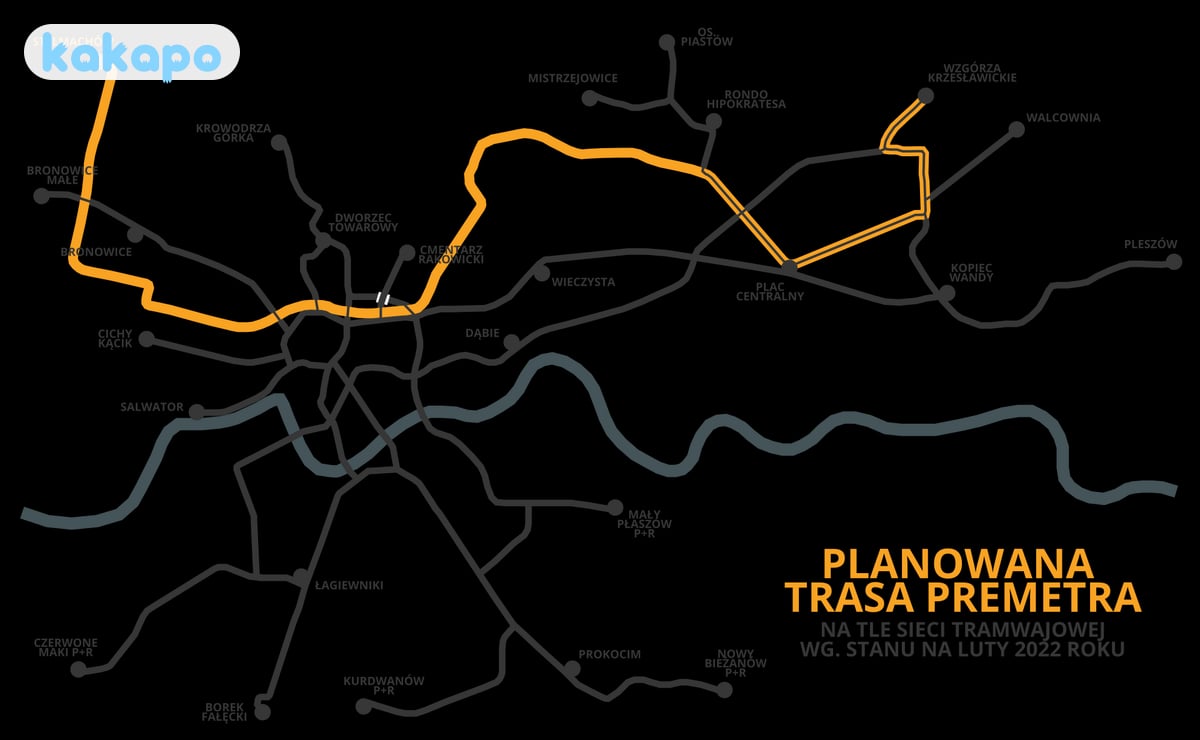
- MPK trams: Kraków's main public transport. PLN 4-6 per ticket. Buy from machines or kiosks; validate.
- Taxis: regulated; use only marked taxis with company logos and meter. Skip "freelance" drivers at the railway station.
- Bolt and Uber: both work, generally cheaper than taxis.
- Kraków Airport (KRK) to centre: Train to Kraków Główny PLN 17, ~17 min. Taxi/Bolt PLN 50-80.
- Train to Auschwitz: PKP regional train Kraków Główny → Oświęcim ~1.5h. Most tour operators bus instead.
Auschwitz-Birkenau day trip — practical visit
Most international visitors to Kraków include a half- or full-day visit to Auschwitz-Birkenau, 70 km west. It's one of the most-significant Holocaust memorial sites in the world; the experience requires preparation, both logistical and emotional.
- Free entry but pre-booked timed-entry required. Book via visit.auschwitz.org 60-90 days ahead in peak season. Walk-up tickets sell out by mid-morning June-August.
- Educator-led tour required for the 09:00-16:00 peak window: ~3.5 hour guided experience, languages including English, German, French, Italian, Spanish, Hebrew. Independent visits (no guide) allowed only at 07:00-09:00 + after 16:00.
- Tour from Kraków: half-day organised tours from Kraków ~€40-70 including transport + entry + guide. Operators: Discover Cracow, See Krakow, KrakowDirect. Full-day combines Auschwitz + Wieliczka Salt Mine.
- Independent transit: bus from Kraków MDA bus station to Oświęcim (the town's Polish name) 90 min, ~PLN 12-20. Then 1.5 km walk or short bus to the site.
- Dress code: respectful; cover shoulders + knees. The site is outdoors so weather-appropriate clothes (winter snow, summer heat).
- What to expect: emotionally heavy. Plan downtime afterward — many visitors find dinner that evening hard. Bring water + snacks; only one small café on-site.
- Photography: permitted at most areas. NOT permitted in Block 11 (the basement gas-chamber dungeon) or in the women's-hair exhibit. Respect signage.
- Children: Auschwitz Museum recommends 14+ minimum age. Younger children find it traumatic.
Scams + the Old Town pickpocket pattern
- Pickpocketing in Rynek Główny (the Main Square) + on tram routes: Kraków has a real but low-level pickpocket problem, concentrated in the densest tourist areas. Phone in front pocket; wallet zipped.
- Taxi "broken meter" from Kraków airport (KRK): 12 km from centre. Use Bolt or Uber for transparent fares (~PLN 50-80). Avoid drivers approaching arrivals.
- "Free walking tour" tip trap: Kraków has genuinely good free walking tours (Walkative, Free Walking Tour Krakow, Cracow Free Tours). Tip €5-10/person is fair. Aggressive demand for €20+ at the end is the scam variant.
- Strip-club / "girls bar" touts at Rynek Główny: aggressive promoters at night. Same Bratislava-style pattern — bar-bill inflation + intimidation. Walk past.
- Vodka-tasting tout pressure: a few less-reputable bars run "premium" tastings at 3-5× normal prices. Reputable: Wódka Café Bar, Wesele.
- Pierogi restaurant overcharging: rare but a few tourist-strip places near Rynek charge PLN 60-80 for pierogi that's PLN 20-30 at any milk-bar (bar mleczny). Bar Mleczny Centralny or Polakowski are the institutional cheap-eat pierogi spots.
- Card-terminal DCC: always pay in PLN.
- Counterfeit PLN: rare. The 100-złoty note is the most-faked.
Neighbourhood-by-neighbourhood breakdown
- Stare Miasto (Old Town) — Rynek Główny, the Cloth Hall, St. Mary's Basilica, Floriańska street, Wawel Castle at the south end. Heavily policed, CCTV-blanketed, comfortable any hour. Pickpockets work the Rynek perimeter and the Floriańska tourist funnel; otherwise it's the safest few square kilometres in Poland.
- Kazimierz (the Jewish Quarter) — Plac Nowy, Szeroka street, the synagogues, Hevre and Alchemia bars. Atmospheric, gentrified, late-night-lively but with a different (calmer, more local) energy than the Old Town stag-party density. Very safe. The streets get dim east of Plac Wolnica — fine, just darker.
- Podgórze — across the river south of Kazimierz. Schindler's Factory museum, Ghetto Heroes Square, MOCAK contemporary art. Quiet residential streets, comfortable day and evening. Cross the Father Bernatek footbridge — one of the city's best walks.
- Nowa Huta — the planned 1950s socialist-realist district 8 km east. Fascinating to visit on a tram or guided tour; entirely safe, just feels very different from the medieval centre.
- Zwierzyniec / Salwator — west of the centre, leafy, residential, the Kościuszko Mound. Quiet and pleasant.
- Around Kraków Główny station — the main railway station and Galeria Krakowska shopping centre. Modern, safe, busy. The streets east of the station (toward Grzegórzecka) get scrappier at night without being dangerous.
- The Planty — the green ring around the Old Town where the medieval walls used to be. Beautiful walk in daylight; lit but quieter at night, used by joggers and locals.
If it's your first time visiting
- Best arrival airport: Kraków-Balice (KRK), 12 km west. To centre: SKA1 train to Kraków Główny (PLN 17, 17 min, runs every 30 min) — by far the easiest option. Bolt/Uber PLN 50-80; freelance taxis at arrivals PLN 120+ and best avoided.
- Public transport: MPK trams and buses cover the city. Contactless tap-to-pay now works on every reader (PLN 4 single, PLN 17 day pass, PLN 56 weekly). Validate paper tickets in the yellow box on board or get fined PLN 280.
- Best neighbourhood for your first night: Old Town for proximity to everything (any side street off the Rynek), Kazimierz for atmosphere and the calmer-late-night scene, or the streets between (Stradomska, Dietla) for a foot in both. Avoid first-time bookings directly above Florianska or Szewska — the stag-party noise carries through windows.
- Day 1, jet-lag friendly: walk the Rynek perimeter, climb St. Mary's tower for the hourly trumpet, stroll the Planty south to Wawel, lunch pierogi at Bar Mleczny Centralny (PLN 25 for a full set), early evening in Kazimierz at Plac Nowy with a zapiekanka from the Okrąglak rotunda. Low-stress, all walkable.
- Book Auschwitz-Birkenau 6-8 weeks ahead. Free entry but timed slots sell out for peak hours April-October. Book via visit.auschwitz.org for the official guided tour (~PLN 110), or use a Kraków-based operator like Discover Cracow or SeeKrakow for transport+entry+guide bundles (~€55-75). Allow 7 hours door-to-door. Plan a calm evening after — many find dinner that night hard.
- Common rookie mistakes: not validating paper tram tickets (fine on the spot); ordering vodka by the half-litre rather than the 50ml shot (the local way); confusing pierogi types — ruskie (potato-cheese) is the classic, ask before assuming meat; tipping at the bar mleczny milk-bars (you don't — they're cafeteria-style); changing money at the Floriańska "Kantor" exchanges where rates are 15-25% below the bank mid-rate.
- Currency: złoty (PLN), not euro. Cards work everywhere mid-range up. Always decline DCC and pay in PLN. PKO BP, Pekao, Santander Bank Polska ATMs are the safe withdrawal points.
- The Wieliczka Salt Mine is a brilliant half-day combo with Auschwitz or as its own trip. Pre-book; the underground walk is 3 km and not all wheelchair-accessible.
Practical info — emergency numbers
- European emergency: 112.
- Police: 997.
- Ambulance: 999.
- Fire: 998.
- Scanmed (private, English-speaking): +48 12 629 88 88.
- University Hospital Kraków: +48 12 424 00 00.
Bring: comfortable shoes for cobbles, a card without foreign-transaction fees, an unlocked phone (Plus, T-Mobile PL, Orange Polska prepaid SIMs), modest cash (PLN), and travel insurance documentation. Tap water is safe to drink.

Frequently asked questions
Is Krakow safe to visit in 2026?
Yes. Krakow is among Central Europe's safer tourist cities. US State Department lists Poland at Level 1. UK FCDO has no overall advisory against travel. Real concerns: Old Town pickpocketing during peak Christmas-market season (Dec), Friday/Saturday night drunken-tourist density on the Main Square, currency-exchange storefronts overcharging.
Is Krakow safe at night?
Yes for the Old Town (Stare Miasto), Kazimierz Jewish Quarter, and Podgórze. Standard urban awareness. The Main Square + Kazimierz nightlife runs until 04:00 + heavily-touristed. Use Bolt/Uber for late-night solo transfers; pickpocket density spikes in stag-night zones.
How do I visit Auschwitz-Birkenau respectfully?
Pre-book free entry tickets at visit.auschwitz.org 2-3 months ahead. Allow 6-7 hours including the 1h drive from Krakow. Modest dress; no food/drink during the tour; minimal photography in named locations. Bus + private-driver options are widely available; the experience is heavy + many visitors find afternoon-only too brief.
Is Krakow safe for solo female travellers?
Yes. Poland ranks well on solo-female-safety indices. Standard precautions: phone in pocket on tram + Old Town, watch your drink in Kazimierz clubs, use Bolt for late-night rides. The British/Irish stag-do tourism creates some rowdy Friday/Saturday density on the Main Square; otherwise calm.
Can you drink tap water in Krakow?
Yes — Krakow tap water is safe + heavily-treated. Drinkable + free at most restaurants if you ask for 'woda z kranu'. Bottled is the cultural default.
What's the biggest scam to avoid in Krakow?
Currency-exchange storefronts on the Main Square offering '0% commission' that mark the rate 15-25% below mid-market. Use bank ATMs (PKO BP, Pekao, Santander Bank Polska). Other recurring: 'broken meter' taxis from Krakow Główny train station (use Bolt/Uber); stag-do bar-hopping tours that mark up drinks 3-5x.
Sources
Run a business in Kraków?
Show visitors your Kraków business is a safe choice. The free Verified by Kakapo badge puts Kraków's live safety score on your website, links back to your verified page, and updates itself. No cost.
Get the free badge →