


Is Juneau, Alaska Safe? A 2026 Travel Safety Guide
Mendenhall Glacier, bear and whale encounters, the cruise-ship crowd days, the no-roads access, and the realistic risks of America's most remote state capital.

Juneau is one of the safest US tourist destinations. Crime against visitors is essentially zero. The realistic risks are environmental: bear + moose encounters, Mendenhall Glacier safety (people have died on the ice), the cruise-ship crowd days (when 4-5 ships dock, the small downtown becomes overwhelming), the rain (Juneau averages 220 rainy days/year — wettest US state capital), and the genuinely brutal winter cold.
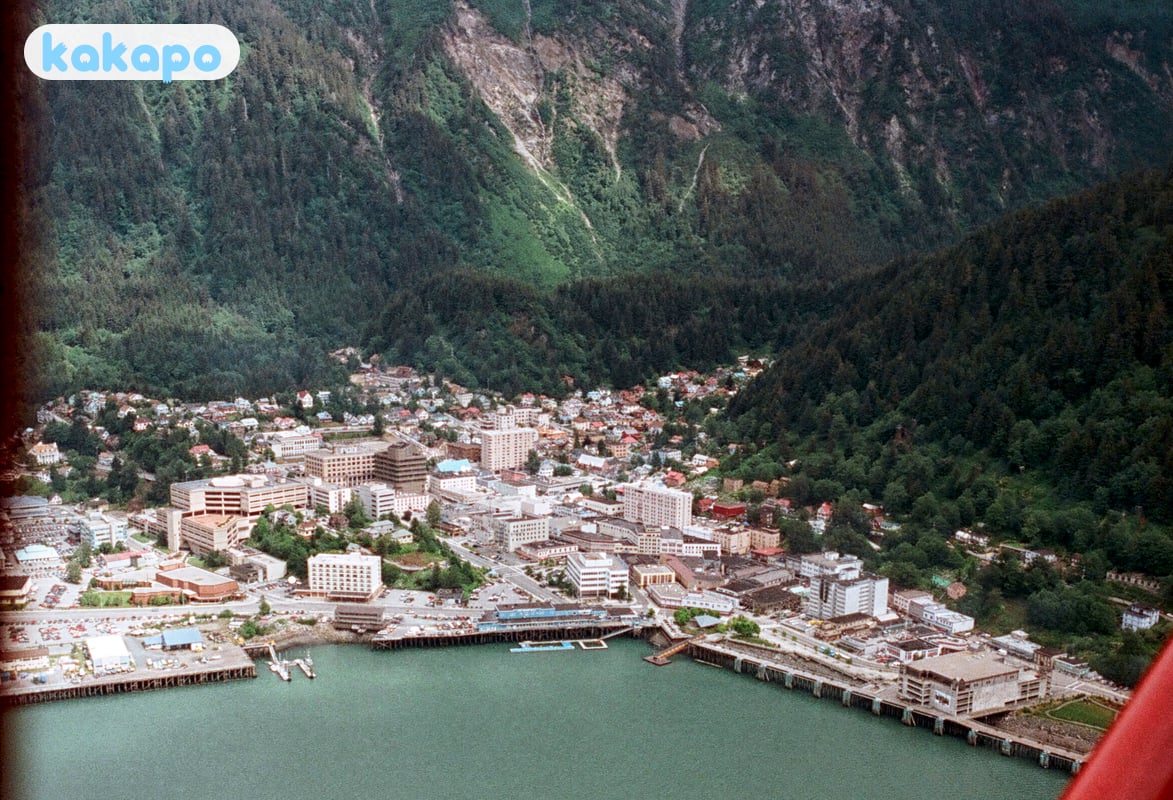
The honest framing: Juneau is small (~32,000), the only US state capital not connected to the rest of the state by road. Access is by Alaska Airlines (Juneau Airport) or Alaska Marine Highway ferry. The Mendenhall Glacier (20 min north), the Mt Roberts tramway, downtown's brick-Victorian core, and the surrounding Tongass National Forest are the visitor anchors.
| Night safety | 75/100 |
|---|---|
| Scam / petty-crime risk | Low |
| Violent crime (tourists) | Low |
| Most common scams | Mendenhall Glacier face-collapse hazards; bear encounters along Mendenhall and salmon streams |
| Safer neighbourhoods | South Franklin Street, Red Dog Saloon area, Cope Park / Basin Road |
| Data sources cited | 4 |
| Last verified |
What the score means — 90/100
Wildlife — bears, moose, whales
- Black + brown bears: present in Juneau city limits + surrounding wilderness. Salmon-run season (July-September) brings them close.
- Moose: present; injure tourists more than bears do.
- Whale-watching: humpbacks + orcas in Stephens Passage. Reputable operators (Allen Marine, Adventure Bound). Stay in zoom-lens distance — federal law.
- Bear spray: legal Alaska; sold at REI + Foggy Mountain Shop. Carry on hiking trails.
- Don't approach + don't feed: federal violations.
Mendenhall Glacier safety
- Mendenhall Glacier: 20 min from downtown by bus. Visitor centre + viewing platform.
- Don't walk on the glacier alone: crevasses, ice falls. Several deaths over the years.
- Guided ice walks: Above & Beyond Alaska, Pack Creek Bear Tours. Professional crampons + harness + briefing.
- Nugget Falls trail: 1-mile easy walk to view glacier + waterfall. Generally safe.
- Glacier melt + flooding: Mendenhall has had documented "jökulhlaup" (glacial outburst flood) events 2023-2024 affecting downstream Juneau homes.
- Don't take ice from the lake: federal site.
Cruise-ship crowd days
- Cruise season: May-September. 4-5 ships docked simultaneously means 12,000+ tourists ashore at peak.
- Tracy's King Crab Shack + Red Dog Saloon: best avoided 11am-3pm cruise-day peak.
- Schedule: check Juneau cruise calendar (juneau.org).
- Visit major sites pre-9am or 5pm+ to avoid cruise hours.
- Locals retreat to Douglas Island + Eaglecrest on heavy days.
Rain + winter cold
- Rainfall: ~1,400 mm/year across 220 days. Wettest US state capital.
- Locals don't carry umbrellas: waterproof jacket + boots.
- Winter (Nov-Mar): -5 to -15°C. Snow.
- Best summer: June-August. 12-22°C; long days.
- Aurora: visible some winter nights but Juneau isn't best — Fairbanks superior.
Transport — ferry, plane, the airport
- Juneau Airport (JNU): 14 km from downtown. Alaska Airlines hub.
- Alaska Marine Highway ferry: from Bellingham WA, Skagway, Sitka, etc. Multi-day vehicle ferry.
- No road access: Juneau's roads end about 45 miles north + south of downtown — that's it.
- Capital Transit buses: serve downtown + Mendenhall + Auke Bay. Cheap.
- Rental car: for the limited road network. Useful.
Cruise-ship day in Juneau — the practical playbook
Roughly 1.5 million cruise passengers visit Juneau each summer (May-September). On 4-5-ship days, the city's population doubles. Most visitors are on a single 9-hour window; the planning advantage is huge if you know it.
- Cruise calendar: peak May-September, near-zero in winter. The official Juneau cruise-port calendar is published online — choose a 1-or-2-ship day over a 4-5-ship day if you can.
- Mendenhall Glacier: Juneau's signature day-trip. 20 min from downtown by Capital Transit Bus 3/4 (frequent, ~$2), Mendenhall Glacier Shuttle ($45 round trip with extra glacier time), or rental car. Visitor Centre + Photo Point + Nugget Falls walk is the standard combo.
- Mendenhall ice caves: famous from Instagram but increasingly inaccessible as the glacier retreats. Guided-only since several deaths in recent years; book reputable operators (Above & Beyond Alaska, Liquid Alaska Tours) and only if conditions allow.
- Whale watching: humpback whales reliable May-September. Allen Marine, Harv & Marv's, Juneau Whale Watch are established operators. $130-200 for 3-4h. Book ahead.
- Tracy Arm + Sawyer Glacier: full-day (8h) fjord cruise — more spectacular than just Mendenhall. $200-300/person.
- Mt Roberts Tramway: cable car from downtown to 1,800 ft. ~$50 round trip, valid all day. Walks at the top + restaurant.
- If your cruise day is rainy: it's Juneau — rain is the default. Pack waterproofs; trips run anyway.
Bears, weather, and the Alaska Marine Highway
- Rain: Juneau gets ~1,500-1,800 mm/year — one of the wettest US cities. Quality waterproof + layers beat umbrellas every time.
- Summer temperatures: 10-18 °C standard. Even July can have 8 °C mornings.
- Bears: Mendenhall Glacier area has documented black-bear sightings; sometimes brown bears. Don't approach; stay 100+ yards. Visitor Centre rangers brief; respect trail closures.
- Daylight: ~18 hours at the June solstice; ~6 hours at the December solstice.
- Alaska Marine Highway ferries: alternative way in — public ferry from Bellingham (WA), Prince Rupert (BC), or smaller Alaska ports. 2-3 days; spectacular scenery; more affordable than cruise ships.
- Getting to Juneau without a cruise: only by plane (Alaska Airlines from Seattle daily, more in summer) or ferry. No roads connect Juneau to the rest of Alaska — it's the only US state capital you can't drive to.
- Cell signal: AT&T + Verizon work in town; weak in glacier area.
- Bear spray: legal to carry while hiking; available at REI + Don Abel Building Supply downtown. Don't bring it on the cruise ship.
Money + the cost story
- Currency: US dollar.
- Tipping: 18-22%; tip whale-tour crew + guides $10-20/day.
- No state sales tax in Alaska; Juneau adds local 5%.
- Cost: hotels $180-380/night summer; $100-180 winter.
- Tap water: excellent.
Practical info — emergency numbers
- Emergency: 911.
- Juneau Police non-emergency: 907-586-0600.
- Bartlett Regional Hospital ER: 907-796-8900.
Bring: serious waterproof jacket + boots, layered clothing, bear spray (buy on arrival), bug spray for summer wilderness, US-valid travel insurance with full medical + medevac cover.
Frequently asked questions
Is Juneau safe to visit in 2026?
Yes — Juneau scores 86/100. UK FCDO and US State Department both treat the US at routine baseline; Alaska itself sits well within that. Juneau is the only US state capital not accessible by road — you arrive by Alaska Airlines into JNU, by Alaska Marine Highway ferry, or by cruise ship. Violent crime against visitors is essentially nil; the city's recorded property crime is below the Alaska average. The realistic risks are bear encounters (both black and brown bears along the Mendenhall and salmon streams), Mendenhall Glacier face-collapse and ice-cave hazards (the famous blue ice caves have killed people; commercial access is now banned for that reason), cruise-ship-day downtown overcrowding (5,000-12,000 passengers ashore on peak July days), Tongass rainforest hypothermia, and the standard Alaskan winter cold November-March.
Is Juneau safe at night?
Yes. South Franklin Street, the Red Dog Saloon area, the downtown wharf and the Cope Park / Basin Road residential streets are walkable and safe to about 23:00 when most bars close. The Juneau-Douglas Bridge area is fine. After about midnight downtown thins out completely — there's not really a 2am scene. Capital Transit buses stop running at 23:30; Uber and Lyft both technically operate in Juneau but supply is very thin, and most locals use the local taxi companies (Capital Cab, Glacier Taxi). The trails up Mount Roberts and Perseverance close to the public after dark by sense rather than rule — bears are active dusk and dawn. Don't walk solo on a forest trail at twilight.
What's the biggest risk to be aware of in Juneau?
Bears and the Mendenhall Glacier. Bear encounters in Juneau are routine — both Tongass black bears and Admiralty Island brown bears (which is just across the channel and has one of the world's densest brown-bear populations). Carry bear spray, know how to use it, make noise on the trails, and never approach a bear for a photo. At Mendenhall: the glacier's face collapses without warning (a 2014 collapse killed a tourist), and the ice caves under the glacier — once a viral Instagram spot — have repeatedly collapsed and are no longer commercially accessible. Stay on marked trails at Visitor Center; the Photo Point and the West Glacier Trail are the safe viewpoints. Salmon streams in late summer concentrate bears; the boardwalk at Steep Creek is the safe viewing platform.
Can you drink tap water in Juneau?
Yes — Juneau's tap water (City and Borough of Juneau, Last Chance Basin / Salmon Creek) comes from a mix of groundwater and surface sources, meets EPA standards and is genuinely excellent — soft, clean and among the better-tasting US municipal water. Carry a refillable bottle; refill stations exist in the cruise terminal and visitor centre. Brushing, ice, all completely fine. Boil-water notices are very rare and would be flagged on juneau.org if any occurred.
Should I plan around the cruise-ship schedule?
Yes — the cruise-day crowd dynamic is the defining Juneau visitor experience between May and September. On peak days (typically July Tuesdays and Wednesdays), 4-7 large ships dock simultaneously and Juneau's downtown population effectively triples for ~8 hours. Restaurants run wait-listed, the Mendenhall Glacier Visitor Center hits parking capacity by 09:00, and the helicopter and whale-watching operators sell out. If you're independent (not on a ship), check the Juneau cruise calendar (cruisin.juneau.org) and either go on a 1-2 ship day, or hit the popular sites at 06:00 / 18:00 either side of the cruise window. Mendenhall now requires a timed-entry reservation in summer — book ahead at recreation.gov.
Sources
Run a business in Juneau?
Show visitors your Juneau business is a safe choice. The free Verified by Kakapo badge puts Juneau's live safety score on your website, links back to your verified page, and updates itself. No cost.
Get the free badge →