


Is Honolulu, Hawaiʻi Safe? A 2026 Travel Safety Guide
Pacific rip currents, car break-ins at trailheads, hurricane and tsunami context, the closed Stairway to Heaven, and the realistic risks of Hawaiʻi's capital.

Honolulu (and Oʻahu more broadly) is one of the safer US destinations for tourists. Crime against visitors is uncommon. The realistic risks for visitors are environmental: Pacific rip currents and shore break (the most-reported visitor injury cause), car break-ins at trailhead and beach parking lots, the longer-term hurricane and tsunami context, and the wisdom-or-defiance question of the closed Haʻikū Stairs ("Stairway to Heaven") hike.
The honest framing for first-time visitors: Honolulu is small (~340,000 in city, 1 million metro), the only big city in Hawaiʻi. Waikīkī is the famous beach-hotel district. Diamond Head, Pearl Harbor, North Shore beaches, and the Hanauma Bay snorkel preserve are the visitor anchors. Most tourists rent a car and circle the island.
| Night safety | 72/100 |
|---|---|
| Scam / petty-crime risk | Medium |
| Violent crime (tourists) | Low |
| Most common scams | car break-ins at trailhead and beach parking lots; window smashed for visible items in cars |
| Safer neighbourhoods | Waikīkī |
| Data sources cited | 4 |
| Last verified |
What the score means — 90/100
- Air quality (88) — clean Pacific air. Occasional vog (volcanic-smog) drift from Big Island.
- Healthcare (84) — Queen's Medical Center is the major facility; off-island medevac for serious cases.
- Personal safety (84) — high. Mostly property crime against tourists.
- Transport (80) — TheBus is good; HART rail (Skyline) opening segments since 2023; rideshare and rental cars dominate.
Ocean — rip currents and shore breaks
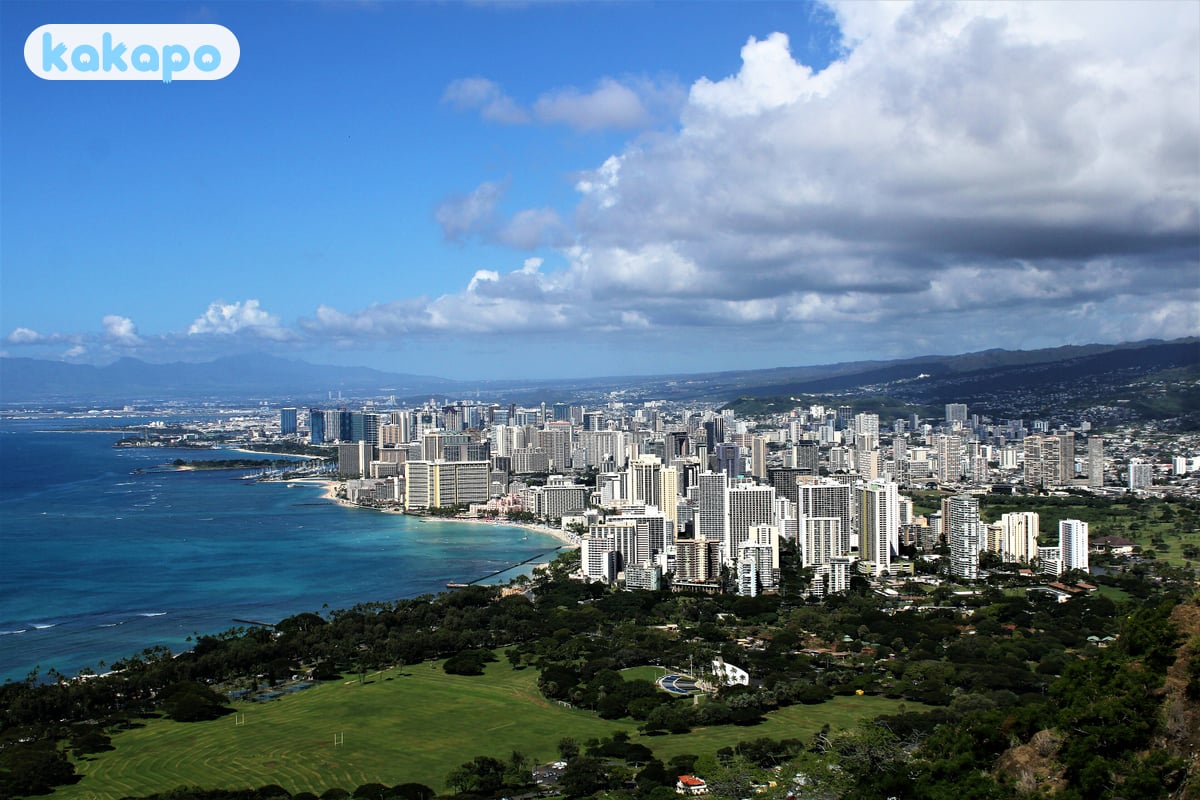
- Pacific rip currents at Oʻahu beaches: the most-cited visitor risk. Hawaiʻi has more drowning fatalities per capita than any other US state, with non-residents over-represented.
- Lifeguarded beaches: heed flag colours. Yellow = caution; red = high hazard, no swim.
- The "Banzai Pipeline" / Pipeline Beach (winter waves): looks-from-shore beautiful, swimming-fatal in winter. Spectator only Nov-Feb.
- Shore break at Sandy Beach, Makapuʻu, Bellows: waves slap onto sand; spinal injuries are common. Don't dive head-first.
- If caught in a rip: don't swim against; swim parallel to shore until you escape, then in.
- Hanauma Bay: snorkel preserve. Lifeguarded. Reef-safe sunscreen mandatory. Pre-book entry online.
- Box jellyfish: arrive ~9 days after full moon at south-shore beaches. Hawaiian Lifeguard Association posts the calendar.
Car break-ins at trailheads
- Trailhead and beach parking lot break-ins: the #1 reported tourist crime. Anything visible = window smashed.
- Hot spots: Diamond Head Trailhead, Lanikai Pillbox parking, Hanauma Bay parking lots, Waiʻanae coast pull-outs.
- The defence: leave nothing visible (literally nothing — even an empty bag is a target). Don't pack-and-go from your hotel — drop bags first.
- Use beach-bag locks if you must leave items in the car.
- Don't leave a passport or laptop in a rental car ever.
Hikes — Diamond Head, Koko Head, the closed Haʻikū Stairs
- Diamond Head (Lēʻahi): 1.3-km hike up to the crater rim. Reservations required (booked online). Hot, exposed; bring water and hat.
- Koko Head Stairs: 1,048-step former rail line up a volcanic crater. Brutal climb in heat. Several visitor heart attacks each year.
- Manoa Falls / Mānoa Valley: easy rainforest walk; muddy.
- Lanikai Pillbox: short ridge hike with great view. Hot.
- The Haʻikū Stairs ("Stairway to Heaven"): 3,922 steps along the Koʻolau Range. Officially closed; the city began removing the stairs in 2024-2025. Trespass is illegal and prosecuted. Helicopter rescues of injured trespassers are common. Don't.
- Heat exhaustion on hikes: most-reported visitor medical issue. Start early; bring 2L water/person.
Hurricanes, tsunamis, vog
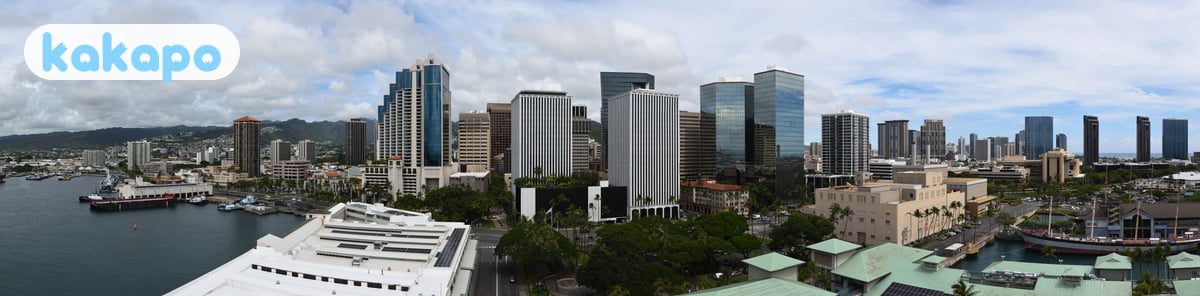
- Hurricane season: June-November. Hawaiʻi has historically had fewer landfalling hurricanes than the Atlantic coast, but climate-warming may shift that.
- If a hurricane is approaching: heed Emergency Management orders. Hotels have shelter protocols.
- Tsunami: low-frequency, high-impact possibility. Hawaiʻi has tsunami warning systems (sirens). If sirens sound + you're at sea level + ground shakes, head inland and uphill.
- Vog (volcanic smog): from Kīlauea on Big Island, occasionally drifts to Oʻahu. Eye and respiratory irritation possible. Asthmatics bring inhalers.
- Wildfires: the August 2023 Lahaina fire on Maui (102 dead) was a wake-up. Oʻahu wildfires are rare but possible in dry seasons.
Transport, taxis, the airport
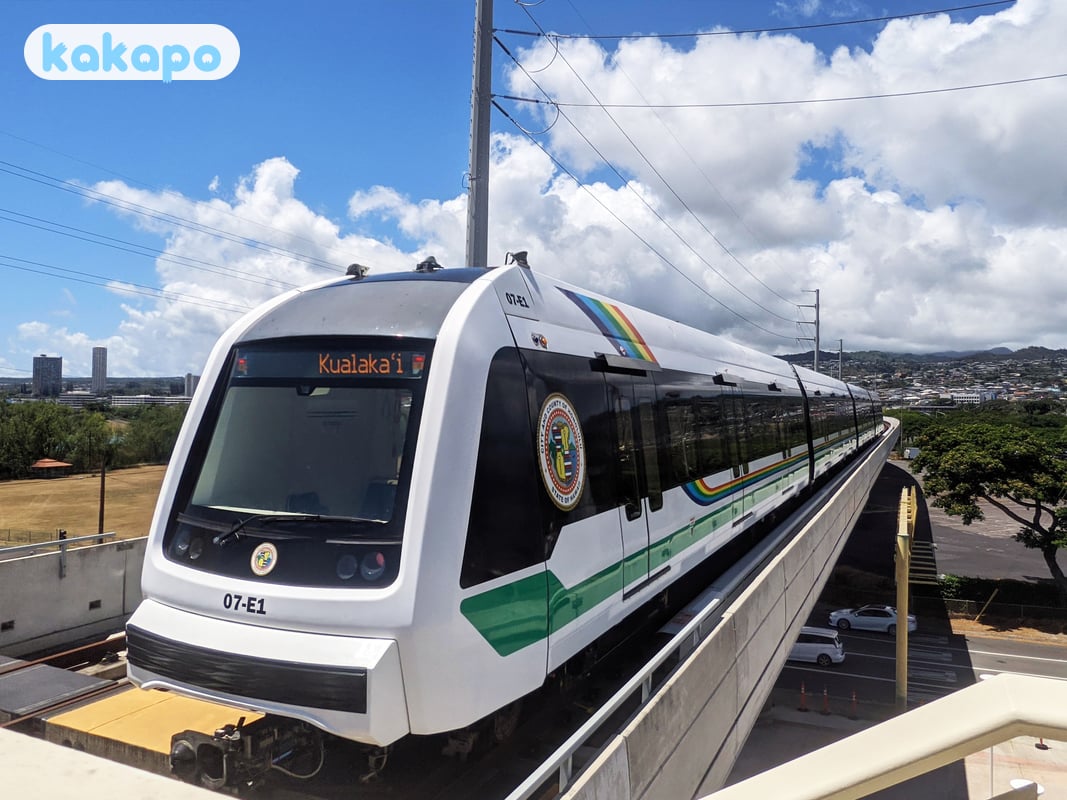
- TheBus: Oʻahu's bus network. $3 single. Surprisingly comprehensive.
- HART Skyline (rail): opening in segments since 2023. Currently from East Kapolei to Aloha Stadium; further extensions planned.
- Uber + Lyft: work in Honolulu, less reliable in remote north shore.
- Rental car: the practical option for circling the island. Book ahead — Oʻahu rental availability has been tight since 2021.
- Daniel K. Inouye International Airport (HNL): 8 km west of Waikīkī. Bus 20/19 ~$3, slow. Taxi $40-50. Uber $25-35.
Cultural respect — what tourists should know
- Hawaiʻi is not a theme park: it's the homeland of Native Hawaiians who continue to navigate the legacy of US annexation.
- "Aloha" is greeting + farewell + concept: use it sincerely.
- Don't take rocks or sand home: there's a tradition (and a daily-news flow of "I returned the rock" stories) about bad luck following thieves of Pelé's stones. Whether you believe in Pelé's curse or just don't want to be that tourist — leave it.
- Reef-safe sunscreen: legally required at most beaches and snorkel sites since 2021.
- Don't approach Hawaiian monk seals or sea turtles: protected. Federal law requires 50-foot distance.
- Heiau (sacred sites): don't climb on, photograph disrespectfully.
Money, food, the cost story
- Currency: US dollar.
- Tipping: 18-22%.
- Tax: 4.5% Hawaiʻi sales tax; hotels add ~14% combined.
- Cost: high — Hawaiʻi groceries 30-50% more than the mainland; hotels $300-700/night standard.
- Tap water: safe.
- Local food: poke, plate lunch, kalua pig, malasadas, shave ice.
Practical info — emergency numbers
- Emergency: 911.
- Honolulu Police non-emergency: 808-529-3111.
- Queen's Medical Center ER: 808-538-9011.
- Hawaii Emergency Management Agency: 808-733-4300.
Bring: reef-safe sunscreen (legally required), rash guards for snorkelling, hiking shoes, plenty of water for trails, a contactless card, an unlocked phone, and US-valid travel insurance with full medical and evacuation coverage.
Frequently asked questions
Is Honolulu safe to visit in 2026?
Yes — Honolulu and Oʻahu are among the safer US destinations for tourists. Crime against visitors is uncommon. The realistic risks are environmental: Pacific rip currents and shore breaks (Hawaiʻi has the highest per-capita drowning rate of any US state, with non-residents over-represented), car break-ins at trailhead and beach parking lots (the number-one reported tourist crime), the long-term hurricane and tsunami context, occasional vog drift from Big Island's Kīlauea, and the heat-exhaustion risk on Diamond Head, Koko Head and the other exposed hikes.
Is Honolulu safe at night?
Yes — Waikīkī, Kakaʻako and downtown Honolulu are calm after dark and well-patrolled. The Waikīkī beach strip stays busy into the night. The exceptions are stepping into outer Chinatown after midnight (the daytime tourist Chinatown is fine; the late-night blocks immediately east have higher incident rates), and parking-lot car break-ins at North Shore and Waiʻanae coast pull-outs after dark. Standard precautions apply on the walk between Waikīkī bars and your hotel — use TheBus or Uber for distance gaps.
Is Honolulu safe for solo female travellers?
Yes — Hawaiʻi consistently ranks among the safer US states for solo female travel. Daytime in Waikīkī, Diamond Head, Hanauma Bay (book the timed entry online) and Pearl Harbor is easy and busy. The genuine risks are environmental — rip currents, heat on hikes, shore-break injuries at Sandy Beach and Makapuʻu — and apply to everyone. Don't hike the closed Haʻikū Stairs ("Stairway to Heaven"); trespass is illegal, prosecuted, and the city began removing the stairs in 2024-2025. Helicopter rescues of injured trespassers are common.
Can you drink tap water in Honolulu?
Yes — Honolulu tap water comes from the Pearl Harbor Aquifer, is treated by the Board of Water Supply, and is genuinely excellent. It is safe everywhere on Oʻahu. Restaurants offer it free with meals; a refillable bottle is essential for hot exposed hikes. The 2021 Red Hill fuel-leak contamination affected the Navy water system around Pearl Harbor and Joint Base Pearl Harbor-Hickam (now resolved); the civilian Honolulu Board of Water Supply system was not affected.
What's the biggest scam to avoid in Honolulu?
Honolulu has very little organised scam culture but car break-ins at trailhead and beach parking lots are the dominant tourist crime — leave literally nothing visible, not even an empty bag, and don't pack-and-go from your hotel because the bags-in-trunk routine is exactly what thieves watch for. Other recurring traps include unofficial "Pearl Harbor private tour" packages (Pearl Harbor and the USS Arizona Memorial timed-entry tickets are free at recreation.gov — book direct), aggressive ABC Store/timeshare promoters in Waikīkī, and reef-safe sunscreen brands that aren't actually reef-safe (Hawaiʻi banned oxybenzone and octinoxate at most beaches in 2021; choose mineral zinc-oxide formulas).
How dangerous are Hawaiʻi's beaches really?
More dangerous than visitors expect. Hawaiʻi has the highest per-capita drowning rate of any US state and non-resident tourists are over-represented in the fatalities. Pacific rip currents are powerful and the shore breaks at Sandy Beach, Makapuʻu and Bellows produce regular spinal injuries from head-first dives. Banzai Pipeline on the North Shore looks beautiful from shore but is swim-fatal in winter — November to February is spectator-only. Always swim at lifeguarded beaches and heed the flag colours (yellow = caution, red = no swim). If caught in a rip don't fight it — float, swim parallel to the shore until you exit the current, then in. Box jellyfish arrive at south-shore beaches about nine days after each full moon; the Hawaiian Lifeguard Association posts the calendar.
Sources
Run a business in Honolulu?
Show visitors your Honolulu business is a safe choice. The free Verified by Kakapo badge puts Honolulu's live safety score on your website, links back to your verified page, and updates itself. No cost.
Get the free badge →