


Is Guadalajara, Spain Safe? A 2026 Travel Safety Guide
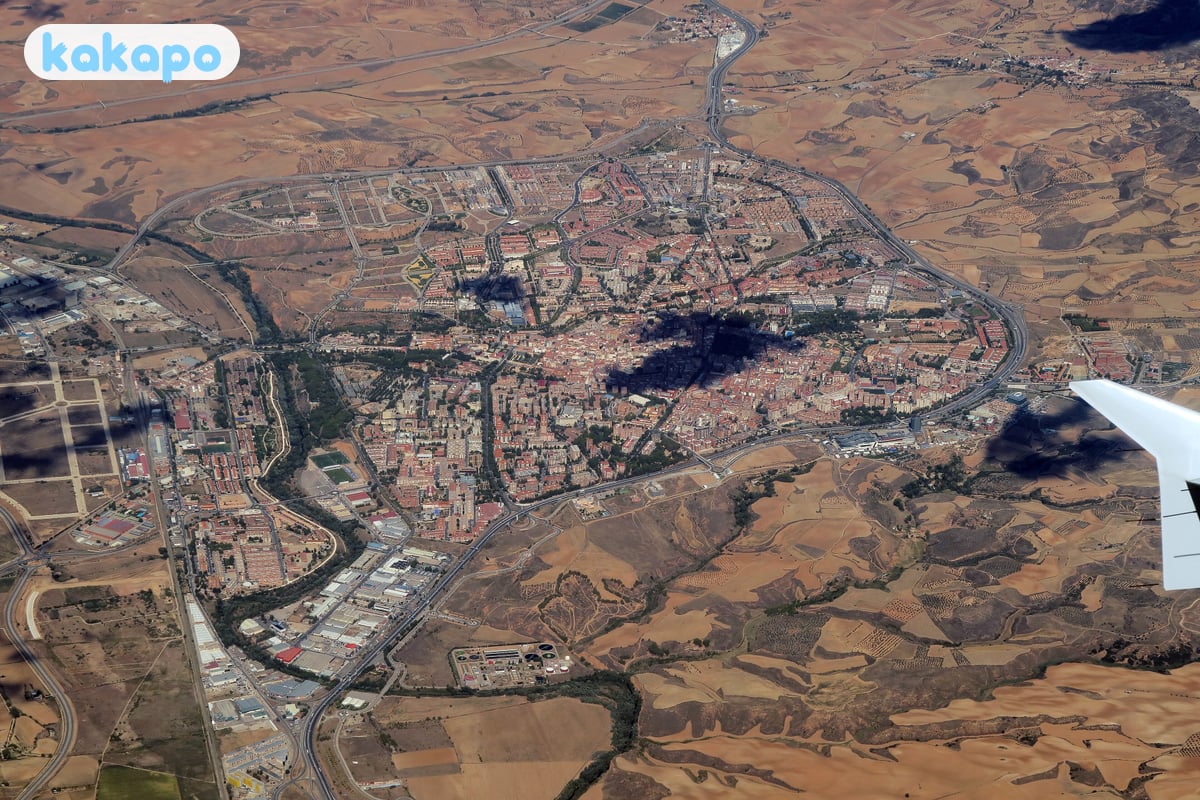
This is the Spanish Guadalajara — capital of Castilla-La Mancha's Guadalajara province, 60 km north-east of Madrid. Not the Mexican city. Quiet, very safe, almost no foreign tourism.

Disambiguation first: this is the SPANISH Guadalajara — a small Castilian provincial capital ~60 km north-east of Madrid. Population around 88,000. It is NOT the famous Mexican city of the same name (which is Mexico's second-largest, has 5+ million people, and is in Jalisco state). If you're researching the Mexican city, see our Guadalajara, Mexico guide. The Spanish Guadalajara has almost no foreign-tourist presence; it's an administrative + commuter town with a single major monument (the Palacio del Infantado), some Mudéjar churches, and a quiet provincial centre. Crime against visitors is essentially nil. The realistic concerns are very small: standard urban awareness; some peripheral industrial zones; the AVE rail station 5 km out of town requires planning.
Spain sits at Level 2 (terrorism baseline applies nationally; this town has no specific elevated risk).
The defining anchors: Palacio del Infantado (15th-century palace, partly bombed in the Civil War, partly restored), Concatedral de Santa María, Plaza Mayor, Parque de la Concordia, and the Henares river running south of town.
| Night safety | 88/100 |
|---|---|
| Scam / petty-crime risk | Low |
| Violent crime (tourists) | Low |
| Most common scams | card-reader scam |
| Safer neighbourhoods | historic centre, Plaza Mayor, Parque de la Concordia |
| Data sources cited | 4 |
| Last verified |
What the score means — 88/100
- Personal safety (90) — exceptional. Tiny provincial town; very low crime.
- Air quality (88) — good; some Madrid-corridor traffic; winter inversions occasional.
- Healthcare (88) — Hospital Universitario de Guadalajara is the regional referral.
- Transport (84) — AVE high-speed rail station (5 km out); cercanías commuter trains; buses to Madrid.
Should you actually visit?
- Honest answer: it's a half-day stop or a quiet base for exploring Castilla-La Mancha + the Sierra Norte.
- The Palacio del Infantado: one of the great late-Gothic / early-Mudéjar civic buildings in Spain. Worth 1-2 hours.
- Concatedral + churches: a handful of Mudéjar brick churches in the centre.
- If you're in Madrid for several days: an easy AVE day trip (35 min by AVE; 50 min by Cercanías C-2/C-7).
- Sigüenza (also in Guadalajara province): 75 km north-east — arguably more visit-worthy: a beautiful intact medieval old town + cathedral.
Areas + what to see
The historic centre: small, walkable. Plaza Mayor + the streets around the Palacio del Infantado are the visitable area. Walk-friendly any hour.
Parque de la Concordia + Parque de San Roque: the central parks. Local family-leaning; comfortable any hour.
Stay aware: peripheral industrial estates (Polígono Industrial El Henares, etc.) — no tourist reason to be there; bleak after dark.
No tourist no-go zones: this is a quiet provincial town, not an issue.
Getting here from Madrid
- AVE high-speed rail: from Madrid-Atocha to Guadalajara-Yebes, 35 min, ~€15-25. The AVE station is 5 km from the centre — taxi €10-12 or bus 4.
- Cercanías commuter rail: lines C-2 + C-7 from Atocha or Chamartín, ~50 min, €5.50. Stops at the central Guadalajara station — walkable to centre.
- Bus: ALSA from Madrid Avenida de América, ~1h 15, €6-9.
- Driving: A-2 motorway, 50 min from Madrid centre. Free parking outside the historic core.
Not Mexico's Guadalajara — naming disambiguation
Disambiguation alert: this is Guadalajara, Spain — capital of Guadalajara Province in Castile-La Mancha, ~55 km north-east of Madrid. Population about 90,000. Not Guadalajara, Mexico (the much-larger Jalisco state capital, famous for mariachi and tequila). The Mexican city was founded by Spanish colonists who named it after the original Spanish city; both share the Arabic etymology (وَادِي الْحِجَارَة, "Valley of Stones").
- What's actually here: a quiet provincial Spanish town with a few historical sites — the Palacio del Infantado (15th-century Mudéjar palace), the Concatedral de Santa María, the Aragonese-Mudéjar Capilla de Luis de Lucena. Mostly visited by business travellers + as a stopover en route between Madrid and Zaragoza.
- Why visitors actually come: most international visitors don't come at all. Domestic Spanish business travel + Madrileños on weekend rural day-trips. The town serves as a base for exploring the surrounding Alcarria region (immortalised in Camilo José Cela's 1948 travel book Viaje a la Alcarria).
- From Madrid: 30 minutes by Cercanías commuter train (line C2/C7) from Atocha. €5-6 single. Hourly service.
- From Zaragoza: 1h40 by AVE high-speed rail (en route from Madrid). Stops at Guadalajara-Yebes station 7 km outside town.
- What to eat: migas (fried breadcrumb dish), cordero asado (roast lamb), local Pajarete sweet wine. The Mercado de Abastos has the standard Spanish food-market mix.
- Best season: April-June + September-October. Summer (July-August) hot + dusty; winter (December-February) cold + foggy.
The Alcarria — Spain's slow-tourism corner
- What it is: the rural region surrounding Guadalajara — limestone plateau, honey + lavender producers, small stone villages, river canyons. Camilo José Cela wrote Journey to the Alcarria (1948) about walking it; the route is still walkable today as a Camino-style itinerary.
- Pastrana: 50 km south. A "Pueblo Mágico"-tier historic town: Renaissance ducal palace + tapestry museum showing 16th-century Portuguese tapestries (some of Europe's finest). Half-day visit.
- Brihuega: 35 km north-east. Famous for lavender fields blooming early July; the lavender festival pulls crowds for one weekend. Otherwise calm + medieval.
- Sigüenza: 70 km north. Spectacular cathedral + castle (now a Parador hotel). One of Castile's most-underrated small cities.
- Atienza: 90 km north. Castle on a hilltop; classic Castilian-pueblo aesthetic.
- Tendilla, Trillo, Sacedón: smaller villages, each with castle + plaza + 1-2 honey producers. Two-day road trip covers all of them.
- Driving rules: standard Spanish — left lane is overtaking only, speed cameras (radar fijo), don't drink + drive (0.05 % BAC, 0.03 for new licences).
- Honey + lavender + Alcarria: the regional brand has DOP protection. Buy direct from producers in Pastrana, Brihuega, and the surrounding villages.
Money, food, emergency numbers
- Currency: euro. Cards everywhere.
- "Don't pay in EUR" (DCC): card-reader scam; always pay in euros.
- Tipping: not required; round up.
- Tap water: safe.
- Local food: Castilian — roast lamb (cordero asado), migas, queso de oveja. Try a menú del día for lunch (€12-16).
- European emergency: 112.
- Hospital Universitario de Guadalajara: +34 949 20 92 00.
Frequently asked questions
Is Guadalajara, Spain safe to visit in 2026?
Yes — Guadalajara, Spain scores 88/100 with personal safety at 90. Capital of Guadalajara province in Castilla-La Mancha (~88,000), ~60 km north-east of Madrid, this is a quiet Castilian provincial town with very low crime. NOT Mexico's Guadalajara (which is in Jalisco state, 5+ million people, completely different page). Spain sits at terrorism-baseline Level 2 nationally; no specific elevated risk in this town. The Palacio del Infantado (15th-century, partly Civil War damaged and restored) is the one major monument; otherwise this is a half-day stop or quiet base for Castilla-La Mancha. European emergency 112; Hospital Universitario de Guadalajara +34 949 20 92 00.
Is Guadalajara, Spain safe at night?
Yes — the historic centre around Plaza Mayor and the streets around the Palacio del Infantado is walkable any hour, with Parque de la Concordia and Parque de San Roque comfortable late. There's no tourist no-go zone. Stay aware around peripheral industrial estates (Polígono Industrial El Henares) but you have no reason to be there. Last AVE high-speed trains from Madrid-Atocha to Guadalajara-Yebes stop around midnight; Cercanías commuter trains (C-2/C-7) run later but to the central Guadalajara station. ALSA buses run from Madrid Avenida de América.
Did you mean Guadalajara, Mexico?
Possibly — the much bigger and much more famous Guadalajara is Mexico's second city, capital of Jalisco state, ~5 million people, the heartland of mariachi music and tequila country. This page covers Guadalajara, SPAIN — a quiet provincial capital of ~88,000 in Castilla-La Mancha, ~60 km north-east of Madrid. Both share the Arabic etymology (وَادِي الْحِجَارَة, 'Valley of Stones') because Spanish colonists named the Mexican city after the original. If you searched for the Hospicio Cabañas, the cathedral square, Tlaquepaque or the Jose Cuervo Express, you want our Guadalajara, Mexico guide.
Can you drink tap water in Guadalajara, Spain?
Yes — tap water across Spain is safe and meets EU drinking water standards. Refill anywhere; ask for 'agua del grifo' at restaurants (some now charge a small fee). Currency is the euro; cards are universal. The 'don't pay in EUR' (Dynamic Currency Conversion) prompt on card terminals is the usual European scam — always pay in euros, the DCC rate is 5–10% worse. Tipping is not required (round up if service was good). Local Castilian food is the draw: cordero asado (roast lamb), migas, queso de oveja, and the menú del día for lunch (€12–16).
Is Guadalajara province worth a day trip from Madrid?
Yes if you want the Alcarria — Spain's slow-tourism corner with honey and lavender producers, river canyons and stone villages. The town itself is a half-day; the surrounding province has Sigüenza (70 km north — arguably more visit-worthy with its cathedral and Parador-castle hotel), Pastrana (50 km south, Renaissance ducal palace and 16th-century Portuguese tapestries), Brihuega (35 km north-east, famous for early-July lavender bloom). AVE Madrid-Atocha to Guadalajara-Yebes is 35 minutes; Cercanías C-2/C-7 is 50 minutes for €5.50. The AVE station is 5 km out of town (taxi €10–12).
Sources
Run a business in Guadalajara (Spain)?
Show visitors your Guadalajara (Spain) business is a safe choice. The free Verified by Kakapo badge puts Guadalajara (Spain)'s live safety score on your website, links back to your verified page, and updates itself. No cost.
Get the free badge →