


Is Brazil, Indiana, USA Safe? A 2026 Travel Safety Guide
Not the country — the small Clay County town in west-central Indiana. The realistic safety picture for a quiet Midwestern small town.

This guide covers Brazil, Indiana — the small Clay County seat in west-central Indiana with about 7,500 residents, on US-40 about 70 miles west of Indianapolis and 16 miles east of Terre Haute. It is not Brazil, the country in South America. Most travellers searching this slug almost certainly mean the country.
For the small number of visitors who actually mean this Brazil — usually for family reasons, a passing US-40 historic-route drive, or to visit nearby Forest Park or the Clay County Fair — the town is a quiet, low-risk small Midwestern community. The United States overall sits at no specific advisory tier (the State Department doesn't issue advisories for itself); foreign travel advisories from other governments rate the US at "exercise normal precautions" with caveats around firearms and active-shooter incidents that are general to the country.
Brazil, Indiana's realistic concerns are the rural-Midwest opioid-era social context, road safety on US-40, and the same firearms-availability caveat that applies anywhere in the rural US. Violent crime against visitors is rare.
Quick disambiguation, because this is the most-confused slug on our entire list: Brazil the country is a 210-million-person federal republic in South America with Rio de Janeiro, São Paulo, the Amazon and the Pantanal, sitting at US State Department Level 2 with state-by-state nuances. Brazil, Indiana (this page) is a 7,500-person Clay County seat in west-central Indiana on the old National Road (US-40), named in 1844 when South American place names were fashionable in young American towns. The two have nothing in common beyond the name. If you searched "is Brazil safe", you almost certainly want our Rio de Janeiro, São Paulo, Salvador or Brasília guides; very few people genuinely mean the Indiana town.
| Night safety | 70/100 |
|---|---|
| Scam / petty-crime risk | Low |
| Violent crime (tourists) | Low |
| Safer neighbourhoods | downtown Brazil, Forest Park, Clay County |
| Data sources cited | 3 |
| Last verified |
What the score means — 86/100
- Personal safety (76) — quiet small town. Property crime present (burglary rates a bit above the national rural average), violent crime against visitors rare.
- Transport (70) — US-40 and I-70 nearby. Driving essential — almost no transit. Watch for deer at dawn/dusk.
- Healthcare (74) — Clay County Hospital (Terre Haute Regional / Union Hospital ~20 min west).
- Air quality (78) — generally good. Some agricultural haze in summer.
First — are you sure you mean this Brazil?

If you searched "Brazil safety," you almost certainly meant Brazil, the country — the South American nation with Rio de Janeiro, São Paulo, the Amazon, the Pantanal. Very different safety picture (Level 2 US advisory, state-by-state caveats, the favela-vs-asfalto neighbourhood quality issue, phone-snatching). See our Rio, São Paulo, Salvador, or Brasília guides.
If you genuinely meant the small Indiana town, the rest of this guide is for you.
Small-town Indiana — what to expect
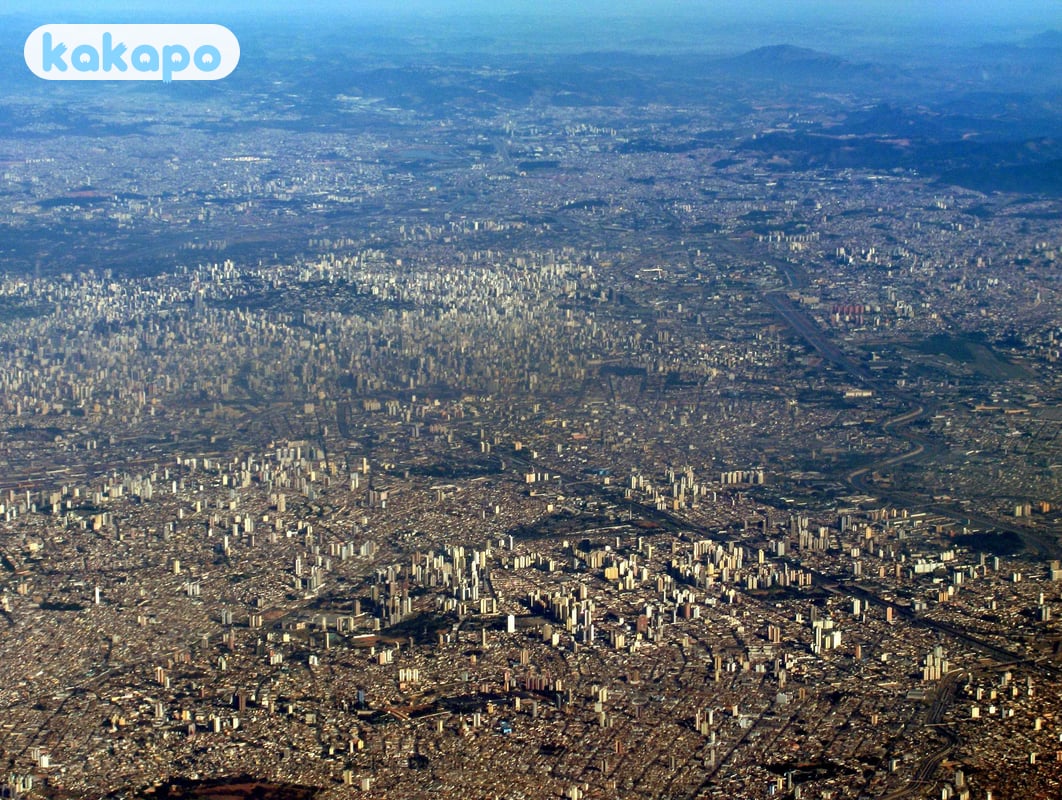
- The town — historic Main Street (US-40, the old National Road), Clay County Courthouse, a few diners and bars. Walkable in 30 minutes.
- Nearby — Forest Park (the small county fair venue), Lieber State Recreation Area on Cagles Mill Lake (~30 min south), Turkey Run State Park (~45 min north).
- Opioid context — Clay County, like much of small-town Indiana, has been affected by the opioid epidemic. Visitors are unlikely to encounter this directly, but it shapes the social fabric.
- Driving — US-40 and I-70 are well-maintained. The county roads are unlit at night; deer collisions are the most common rural-Indiana crash type.
- Firearms — Indiana is permissive; concealed carry is common. This is a US-wide context point, not a Brazil-IN specific concern.
Area — downtown Brazil IN, Clay County, the National Road
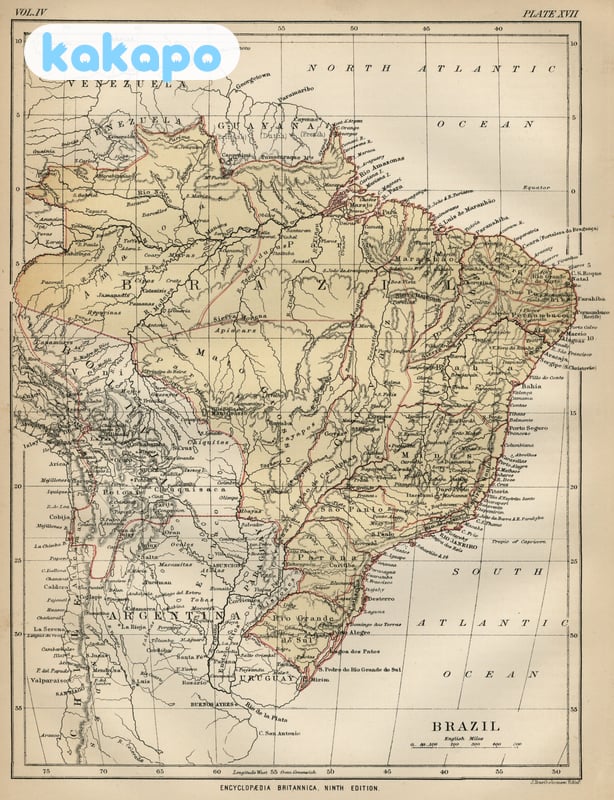
- Downtown Brazil (Indiana) — the historic Main Street is the old National Road (US-40) running east-west through town. The Clay County Courthouse (a handsome 1914 Beaux-Arts building), a few diners and bars, a small commercial strip. Walkable in 20-30 minutes.
- Forest Park — the local park and Clay County Fair venue. Summer fair, demolition derby, 4-H exhibits — the kind of small-town American county fair that hasn't changed much in 50 years.
- Clay County context — population ~26,000 (the whole county). Heavily agricultural — corn, soy, some cattle. The town of Brazil is the county seat with the courthouse, the jail, the county offices.
- Disambiguation — this is Brazil, Indiana, not Brazil the country. There is no Portuguese language, no carnival, no beaches, no Amazon. There's also no other major US town named Brazil — the Indiana one is essentially unique in the country.
- Terre Haute (16 miles west) — the nearest small city, on the Wabash River, with the Indiana State University, the Eugene V. Debs Museum (the labour-organiser's home — Debs was born in Terre Haute), and the better hospitals (Union Hospital, Regional Hospital).
- Indianapolis (70 miles east on I-70) — the major city, with the Indianapolis Motor Speedway, the Eiteljorg Museum (Western and Native American art), and the actual airport (Indianapolis International, IND).
- Lieber State Recreation Area (30 min south) — Cagles Mill Lake (also called Cataract Lake), small swimming beach, fishing, hiking. Cataract Falls (Indiana's largest waterfall) is just south.
- Turkey Run State Park (45 min north) — sandstone canyons, suspension bridges, real Indiana scenery (most of the state is corn). Worth the detour.
- The National Road (US-40) — the original federal highway built 1811-1837, running from Cumberland Maryland to Vandalia Illinois. Brazil sits on the route; the historic markers along Main Street tell the story.
If you really meant Brazil, Indiana

- Arrival: Indianapolis International (IND) is 70 miles east via I-70 — about 80 minutes. There's no flight service to Brazil itself; Terre Haute Regional Airport has no scheduled service either.
- Rental car is mandatory: there's essentially no transit. From IND it's I-70 west to Exit 23 (US-40 / SR-59), then 2 miles south on SR-59 into Brazil.
- Where to stay: limited — a couple of small motels along US-40, a Best Western on the highway, or stay in Terre Haute (16 miles west, more hotel inventory including the Hilton Garden Inn) and day-trip. $70-130/night.
- The realistic itinerary: Brazil itself is a 30-minute stop — the courthouse, Main Street, lunch at a diner, the Forest Park if there's an event. The actual day is built around regional anchors: Turkey Run State Park (canyons + suspension bridges, ~45 min north) is the best of them; Lieber/Cataract (30 min south) is the alternative.
- Driving in rural Indiana: county roads are unlit at night, deer collisions at dawn/dusk are the most common rural-Midwest crash, ice forms on US-40 and I-70 in winter. Drive accordingly.
- Firearms context: Indiana has permissive concealed-carry laws (constitutional carry since 2022). This is a national US point, not specific to Brazil IN. You'll occasionally see open carry; the realistic visitor encounter is none.
- Opioid-era context: Clay County, like much of rural Indiana, has been affected by the opioid epidemic. Visitors don't really encounter it directly but it shapes the social fabric — empty storefronts in some smaller surrounding towns, fewer people in the bars than the architecture would suggest.
- Common rookie mistakes: arriving expecting cultural Brazil (this is rural Indiana, with corn, the Indy 500 culture, conservative politics and the Hoosier Hospitality friendliness); skipping the regional parks (Turkey Run is the actual reason to be in the area); driving country roads after dark without paying attention to deer.
- Tap water + cash: tap water safe (hard mineral content from the local aquifer); cards work everywhere; tipping 18-22%; Indiana has 7% sales tax.
- If you actually wanted Brazil the country: see our Rio de Janeiro, São Paulo, Salvador or Brasília guides. Completely different trip planning, completely different safety considerations.
Practical info — emergency numbers
- Emergency: 911.
- Brazil Police Department — non-emergency: (812) 446-2211.
- Clay County Hospital — Terre Haute (~20 min): Union Hospital and Regional Hospital both have emergency rooms.
Bring: a card (US is largely cashless), an unlocked phone (T-Mobile / Verizon / AT&T have coverage; rural patches), travel insurance with US-medical cover (essential — US healthcare is expensive for non-residents), and a US driver's licence or international permit if renting a car. Driving is essentially required. English is the only spoken language.
Frequently asked questions
Is Brazil, Indiana safe to visit in 2026?
Yes — Brazil, Indiana scores 76/100 here. The US doesn't issue advisories for itself; UK FCDO and other foreign-government advisories rate the US at the baseline tier with the standard firearms and active-shooter caveats that apply nationally rather than to this town. Brazil is the Clay County seat (~7,500 residents) on US-40 about 70 miles west of Indianapolis and 16 miles east of Terre Haute. Violent crime against visitors is rare; property crime (burglary) runs slightly above the rural-US average. The realistic risks are road-related — deer collisions at dawn/dusk on county roads, and ice on US-40 and I-70 in winter. Brazil Police non-emergency (812) 446-2211; nearest ER is Union Hospital or Regional Hospital in Terre Haute, 20 minutes west.
Is Brazil, Indiana safe at night?
Yes — the town is quiet and small enough that most things close by 21:00 on weekdays. The historic Main Street (the old National Road / US-40), the Clay County Courthouse square, and the local diners are walkable in 30 minutes. There's no Uber/Lyft of meaningful density — call a local taxi or arrange a ride. The 'stay aware' caveat is the broader rural-Indiana opioid context that has shaped the social fabric here for a decade (Clay County has been affected like much of the region), but visitors are very unlikely to encounter it directly. County roads outside the town are unlit — don't drive after dark without familiarity, and watch for deer.
Are you sure you mean this Brazil and not the country?
Most travellers who search 'Brazil safety' mean the South American country — Rio de Janeiro, São Paulo, the Amazon, the Pantanal — which has a completely different safety picture (US Level 2 advisory, state-by-state carve-outs, the favela-vs-asfalto neighbourhood quality issue, phone-snatching by moped). If that's you, see our Rio de Janeiro, São Paulo, Salvador or Brasília guides. If you genuinely mean the small Indiana town (usually for family reasons, a US-40 historic-route drive, or to visit Forest Park or the Clay County Fair), this guide is the right one. The town's name comes from 19th-century US fashion for South American place names.
Can you drink tap water in Brazil, Indiana?
Yes. The Brazil municipal water utility draws from groundwater wells and treats to EPA standards — it's safe and routine. Like much of rural Indiana, the area has hard water (high mineral content) so kettles scale and the taste is mineral-heavy. Older Main Street properties pre-1986 may still have lead service lines or solder — run the tap a few seconds in the morning if you're staying at an older B&B or short-term rental. Don't drink directly from Eel River or any of the rural creeks without filtering and treating.
What's actually worth doing in Brazil, Indiana?
Honest answer: not a huge amount on its own. The Clay County Courthouse (a handsome 1914 Beaux-Arts building) and Forest Park (the small county fair venue with summer events) are the in-town anchors. The realistic plan is to use Brazil as a US-40 / National Road historic-driving stop: Lieber State Recreation Area on Cagles Mill Lake is 30 minutes south for hiking and the lake; Turkey Run State Park (sandstone canyons, suspension bridges) is 45 minutes north and well worth the drive; Terre Haute and the Wabash River are 16 miles west; Indianapolis (Indianapolis Motor Speedway, Eiteljorg Museum) is 70 miles east via I-70.
Sources
Run a business in Brazil?
Show visitors your Brazil business is a safe choice. The free Verified by Kakapo badge puts Brazil's live safety score on your website, links back to your verified page, and updates itself. No cost.
Get the free badge →