


Is Charleston, South Carolina Safe? A 2026 Travel Safety Guide
Hurricane season, summer humidity and mosquitos, the cobbled Historic District, plantation-tour ethics, and the realistic risks of the South's prettiest historic city.

Charleston is one of the safer Southern US tourist cities. The Historic District is small, walkable, and tightly tourism-managed. Crime against visitors is uncommon.
The realistic risks for visitors are the Atlantic hurricane season (June-November — Charleston's vulnerability is real), the genuinely brutal summer heat-and-humidity (32°C + 80% humidity is normal August), the cobbled and sometimes uneven Historic District streets, and the standard parking-lot smash-and-grab caution at beach access points and plantation parking. There's also a meaningful conversation to have about how some Charleston "plantation tours" present (or fail to present) the history of slavery — a safety-of-experience issue more than a physical-safety one.
The honest framing for first-time visitors: Charleston is small (~155,000 in city), built on a peninsula between the Ashley and Cooper rivers. Rainbow Row, the Battery, the Historic District (King Street, Market Street), Boone Hall and Magnolia plantations, the Old Slave Mart Museum, and the Sullivan's Island / Folly Beach beach trips are the visitor anchors.
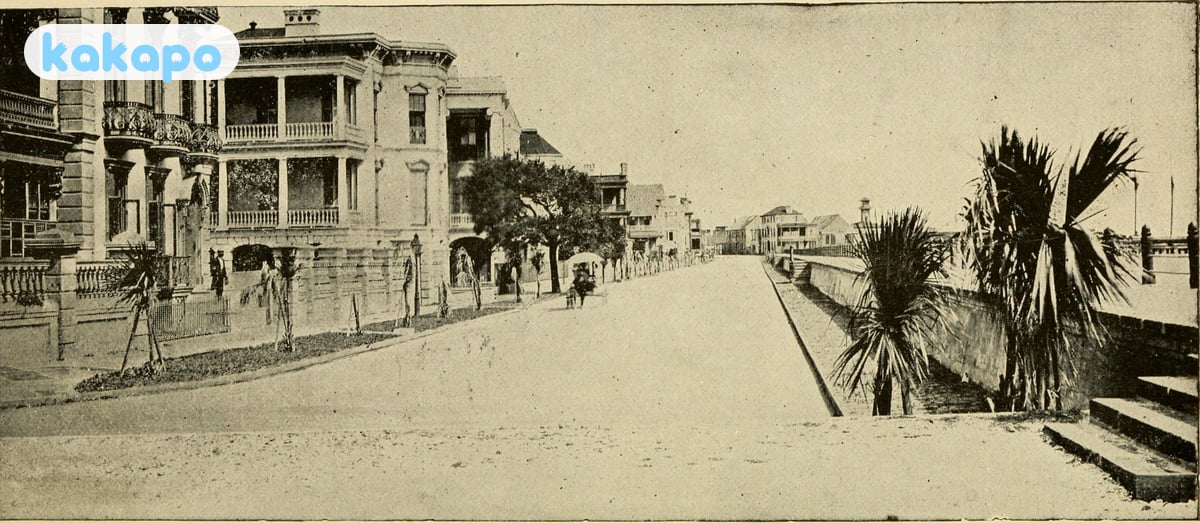
The geography is everything. Charleston peninsula points south into the harbour like a finger, with the Battery promenade at the tip (where the Civil War started — Fort Sumter sits in the harbour, visible from the Battery and reachable by ferry). The Historic District (South of Broad) is the southern third of the peninsula and where the postcard Rainbow Row, the antebellum mansions, and Rainbow Row's 13 candy-coloured Georgian rowhouses are. King Street is the city's commercial spine running north-south — Lower King is upscale antiques, Middle King is shopping and restaurants, Upper King is the bar-and-restaurant strip locals frequent. Across the Cooper River to the east is Mount Pleasant (Boone Hall, the Ravenel Bridge, Shem Creek); across the Ashley River to the west is West Ashley and James Island; further south on the barrier islands are Folly Beach (the locals' surf beach) and Sullivan's Island (the upscale beach). The carriage-tour and walking-tour scene is intense in the Historic District — the city regulates carriage routes and the licensed operators (Palmetto Carriage Works, Old South Carriage Company, Classic Carriage Works) are the only ones that should be used.
South Carolina has an open-container law that lets visitors carry alcohol in public in parts of the Historic District — the city's distinctive "go-cup" culture means you can carry a beer or wine from one restaurant to a riverside bench. Walking the Battery at sunset with a glass of wine is a Charleston rite. Hurricane season is the planning constraint: book travel insurance with hurricane cancellation cover, watch the National Hurricane Center forecasts June through November, and understand that king-tide flooding now puts saltwater on Lower Broad Street several days a year even without storms. Charleston's 2024 Hurricane Helene experience (catastrophic inland Carolinas flooding, significant Charleston flooding) is the most recent reminder. In 2026, the practical update is that the Lowcountry has formalised flood evacuation routes via I-26 west (the lane-reversal protocol can take effect 24-48 hours before landfall) and most major hotels now publish hurricane cancellation policies upfront.
| Night safety | 69/100 |
|---|---|
| Scam / petty-crime risk | Medium |
| Violent crime (tourists) | Low |
| Most common scams | parking-lot smash-and-grab at beach access points; no-see-ums (sand gnats) at beaches |
| Safer neighbourhoods | Historic District, Mount Pleasant, King Street |
| Data sources cited | 4 |
| Last verified |
What the score means — 82/100
- Personal safety (86) — high. Tourist-area crime rare.
- Healthcare (86) — MUSC (Medical University of South Carolina) is excellent.
- Air quality (84) — moderate-good coastal.
- Transport (80) — small enough to walk; CARTA buses cover; rideshare and rental car for outer.
Hurricane season — the genuine risk
- Atlantic hurricane season: June 1 - November 30. Peak: August - October.
- Charleston's vulnerability: low-lying peninsula. Hurricane Hugo (1989) was catastrophic. Hurricane Helene (2024) flooded the inland Carolinas and brought significant Charleston flooding.
- King-tide flooding: increasingly frequent even without storms — saltwater on streets at the highest spring tides.
- If a hurricane is approaching: heed evacuation orders. Most major hotels follow established protocols.
- Travel insurance: confirm hurricane cancellation cover; book before storms are named.
- Best low-hurricane months: December-May.
Summer heat, humidity, mosquitos
- July-August: 32-36°C with 80%+ humidity. Heat index hits 40°C.
- Hydration: 3-4L water/day on hot days.
- Mid-day rule: 1-4pm for AC and museum breaks. Sightseeing morning and late afternoon.
- Mosquitos: Lowcountry humidity = mosquitos year-round, peak summer-fall. West Nile virus occasional. Bug spray.
- "No-see-ums" (sand gnats): tiny, biting, common at beaches dawn/dusk.
- Best season: April-May (azaleas), October-November (cooler, less hurricane risk).
Areas — Historic District, Mount Pleasant, North Charleston
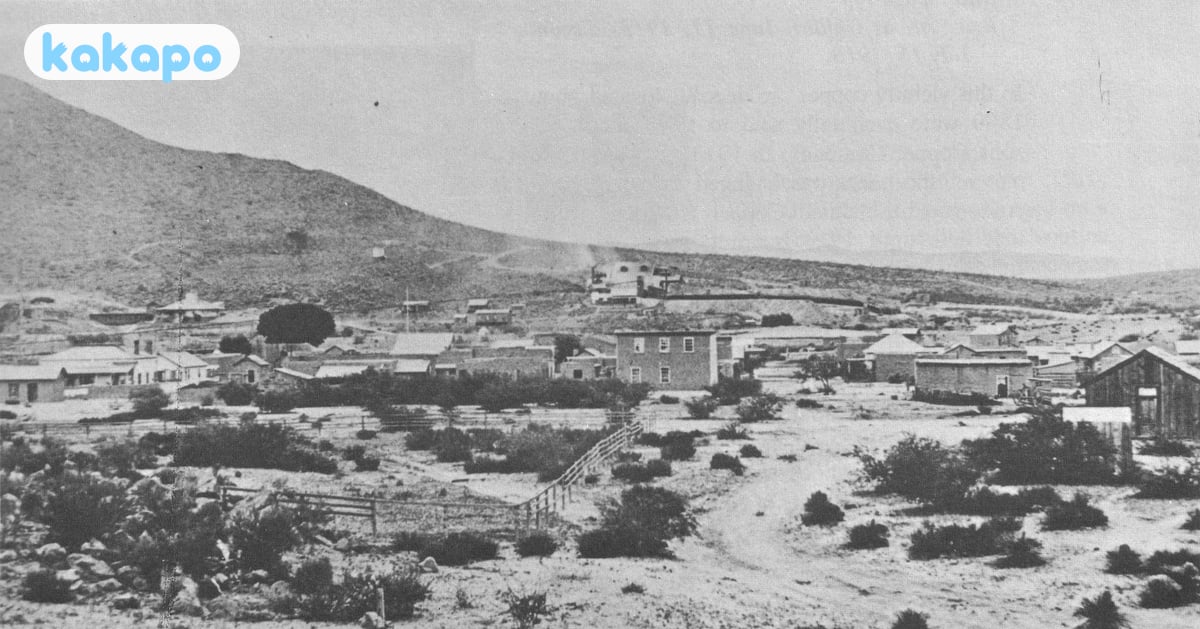
Recommended for visitors: Historic District (Below Broad / South of Broad) — the postcard core, walkable, very safe. King Street (Market Street north) — shopping + restaurants. Upper King — gentrified bar/restaurant strip. Mount Pleasant (across the Cooper River) — Boone Hall, restaurants. James Island / Folly Beach — beach.
Stay aware: parts of North Charleston (different city; higher crime stats; aside from the airport, not on tourist itineraries). Some West Ashley areas. The bus station area at night.
Plantation tours — what to know
- Boone Hall, Middleton Place, Magnolia, McLeod, Drayton Hall: the major plantation tours. Each is different in how it presents (or doesn't) the history of enslaved people who built and worked them.
- Better-aligned: McLeod Plantation Historic Site, Drayton Hall, Middleton's "Eliza's House" exhibit. These foreground the lives of enslaved people.
- Less-aligned: some tours still focus mainly on the white planter family. Read recent reviews; ask the tour guide directly about the slavery component.
- Old Slave Mart Museum (downtown): powerful, sober, recommended.
- Charles Pinckney site, Boone Hall slave cabins: documented cabins; National Park interpretation strong.
- This is an ethics-of-tourism choice, not physical safety — but visitors increasingly ask the question.
Transport, taxis, the airport
- Walking: Historic District is fully walkable end-to-end.
- CARTA buses: extensive city + suburb network.
- Uber + Lyft: ubiquitous.
- Pedicab + carriage tours: tourist-rated; carriages have routes regulated by the city.
- Charleston International Airport (CHS): 19 km north (in North Charleston). CARTA Express bus $4. Taxi/Uber $30-40.
- Rental car: useful for plantations, beaches.
- Don't leave anything visible in parked car: standard US property-crime advice.
Money, food, the cost story
- Currency: US dollar.
- Tipping: 18-22% restaurants; $2-5 per carriage tour driver.
- Tax: 9% sales tax in Charleston.
- Cost: hotels $250-500/night standard; festival weeks higher.
- Tap water: safe.
- Local food: Lowcountry boil, shrimp and grits, she-crab soup, oysters in cooler months. Husk, FIG, Husk Bar are the headline restaurants.
Neighbourhood-by-neighbourhood breakdown
- The Battery + South of Broad — the southern tip of the peninsula, where Charleston Harbor opens to the Atlantic and where the antebellum mansions face the water. White Point Garden (the public park at the very tip with the cannons), Rainbow Row (the 13 candy-coloured Georgian rowhouses at 79-107 East Bay Street), the East Battery promenade. Fort Sumter ferries depart from Liberty Square at Patriot's Point further north. Safe any hour; the most-photographed corner of Charleston.
- King Street — the city's commercial spine, running north-south through the peninsula. Lower King (south of Broad) is upscale antiques; Middle King (Broad to Calhoun) is shopping and restaurants — Hyman's Seafood, Hampton + Hudson; Upper King (north of Calhoun) is the bar-and-restaurant strip where locals actually drink — Closed for Business, Bin 152, Pearlz. The Sunday brunch crowd is dense.
- Rainbow Row + the Historic District core — the 13 pastel Georgian houses at East Bay Street between Tradd and Elliott, painted to their current colours in the 1930s-1940s. Heavily photographed; the street is private but the sidewalk is open. The surrounding South of Broad mansions are still private residences, not museums.
- James Island + Folly Beach — across the Ashley River to the south. Folly Beach is the locals' surf-and-fishing beach at the end of Folly Road, 25 minutes from downtown. The Washout, Center Street bars, the Folly Pier (700 ft long). Less developed and more atmospheric than Sullivan's Island.
- Mount Pleasant + Sullivan's Island — across the Cooper River via the Arthur Ravenel Jr. Bridge (the cable-stay bridge, one of America's longest at 1,546 ft main span). Boone Hall Plantation, Shem Creek with its seafood restaurants (Red's Ice House — the famous outdoor deck), Sullivan's Island for the upscale beach (Poe's Tavern, Beardcat's, the Old Lighthouse). Drive across the bridge.
- West Ashley — across the Ashley River to the west. More residential than tourist, but home to Charles Towne Landing (the original 1670 colony site, now a state historic site), Magnolia Plantation, Drayton Hall, and Middleton Place along the Ashley River Road. Plantation cluster.
- Open container law — South Carolina's open container law lets visitors carry alcohol in public in much of the Historic District (the city's "go-cup" culture). Walk the Battery at sunset with a glass of wine; carry a beer from a restaurant to a riverside bench. Cup must be a cup (not a bottle); some streets (King Street pedestrian Sundays) are explicitly allowed. Not all of the city — confirm with the restaurant.
- Lowcountry context — Charleston sits in the Lowcountry, the marshy coastal-plain that defines the cuisine (Lowcountry boil, shrimp and grits, she-crab soup, oysters in cooler months — "R" months: September-April) and the ecology (Spanish-moss live oaks, salt marsh, no-see-um gnats). Husk, FIG, Husk Bar, Lewis Barbecue (the Texas-trained pitmaster), Rodney Scott's BBQ (the James Beard winner) are the headline restaurants — book 3-4 weeks ahead.
- Hurricane season Jun-Nov — Atlantic hurricane season runs 1 June - 30 November, peaking August-October. Charleston's low-lying peninsula is genuinely vulnerable: Hurricane Hugo (1989) was catastrophic, Hurricane Helene (2024) brought significant flooding. King-tide flooding now puts saltwater on Lower Broad Street several days a year even without storms. Watch the National Hurricane Center forecasts before flying in. Travel insurance with hurricane cancellation cover is essential. Best low-hurricane months: December-May.
If it's your first time visiting
- Best arrival: Charleston International (CHS), 19 km north in North Charleston. Uber/Lyft to the Historic District $30-45; taxi flat-rate $35; CARTA Express bus $4. Driving from Atlanta is 5 hours, from Charlotte 3.5 hours via I-26.
- Best neighbourhood for your first night: inside the Historic District for the once-in-a-lifetime mansion-hotel experience — Belmond Charleston Place ($350-650/night), Wentworth Mansion ($450-850), Hotel Bennett, Planters Inn. Upper King for the modern-boutique cool-Charleston experience (The Restoration, Hotel Emeline). Mount Pleasant or Sullivan's Island for beach access on day 2-3. Avoid first-night bookings in North Charleston outside the airport hotels.
- Day 1 jet-lag friendly: late afternoon walk along the Battery to White Point Garden, sunset on the East Battery promenade with a go-cup wine from Husk Bar, dinner at FIG or Husk (book 3-4 weeks ahead), nightcap on Upper King. Save the carriage tour for day 2.
- Day 2 carriage + plantation: 90-minute Palmetto Carriage Works tour from the Big Red Barn on Anson Street ($35), lunch at Hyman's Seafood, afternoon at McLeod Plantation Historic Site (the better-aligned slavery-history option) or the Old Slave Mart Museum downtown, dinner at Lewis Barbecue or Rodney Scott's BBQ.
- Common rookie mistakes: booking a carriage tour with an unlicensed operator (the city regulates routes; use Palmetto Carriage Works, Old South Carriage Company, or Classic Carriage Works); visiting in August (32-36°C with 80%+ humidity, 40°C heat index — punishing); leaving valuables visible in a beach-parking car (Folly Beach and plantation lots are smash-and-grab targets); skipping the Old Slave Mart Museum (it's the sober honest counterpart to the plantation tours); ignoring hurricane forecasts (Helene-grade flooding can happen on 48 hours' notice June-November); under-tipping the carriage driver ($5-10 per couple is the local norm); going to a plantation without checking how it presents slavery (read recent reviews, ask the tour guide directly).
- Plantation ethics: Boone Hall, Middleton Place, Magnolia, McLeod, Drayton Hall present the slavery history very differently. Better-aligned: McLeod Plantation Historic Site (foregrounds enslaved people's lives), Drayton Hall, Middleton's "Eliza's House" exhibit. Less-aligned: some tours still focus mainly on the white planter family. The Old Slave Mart Museum downtown is the sober honest counterpart and widely recommended. This is an ethics-of-experience choice rather than physical safety.
- Currency and tax: US dollar. South Carolina sales tax 9% in Charleston. Restaurant tipping 20-22%, $5-10 per couple for carriage tour drivers, 18% for spas. Cards everywhere; carry $50-100 in small bills for tipping.
- Beach strategy: Folly Beach for the locals' surf-and-bar scene (25 min from downtown, Center Street parking $3/hour), Sullivan's Island for the upscale family beach (15 min from downtown via the Ravenel Bridge, free street parking), Isle of Palms for the resort and the IOP County Park ($20 parking but bathrooms and lifeguards). North Sullivan's Island gets the locals; South Sullivan's gets the families.
- Local food worth seeking: shrimp and grits (Husk's version is famous), she-crab soup (82 Queen is the institution), Lowcountry boil (shrimp, sausage, corn, potatoes — Hyman's), oysters in "R" months (September-April; The Ordinary), Carolina barbecue (whole-hog mustard-base at Rodney Scott's, the Texas-trained brisket at Lewis Barbecue).
Practical info — emergency numbers
- Emergency: 911.
- CPD non-emergency: 843-577-7434.
- MUSC ER: 843-792-2300.
Bring: light hot-weather clothing, sun protection, bug spray, comfortable walking shoes, a contactless card, an unlocked phone (T-Mobile, AT&T, Verizon), US-valid travel insurance, and the FEMA app for hurricane-season alerts.
Frequently asked questions
Is Charleston safe to visit in 2026?
Yes — Charleston is one of the safer Southern US tourist cities. The Historic District is small, walkable, and tightly tourism-managed. Crime against visitors is uncommon. The realistic risks are Atlantic hurricane season (June-November — Charleston's low-lying peninsula is genuinely vulnerable; Hurricane Hugo 1989 and Helene 2024 both caused major flooding), brutal summer heat-and-humidity, the cobbled and uneven Historic District streets, and the standard parking-lot smash-and-grab caution at beach access points and plantation parking.
Is Charleston safe at night?
Yes in the tourist core. King Street, Market Street, and the Historic District remain busy with restaurants and bars well into the evening with visible police presence. Upper King is a gentrified bar strip and produces the standard nightlife cluster of incidents on weekend nights, but at a much lower intensity than New Orleans or Nashville. Avoid the bus station area at night and parts of North Charleston (a separate city with higher crime stats, not on tourist itineraries beyond the airport).
Is Charleston safe for solo female travellers?
Yes — among the safer Southern US destinations for solo women. The Historic District is walkable, well-lit, and busy. Standard precautions apply on Upper King at 2am: supervised drinks, group walks home, a known rideshare. Daytime carriage tours, plantation visits, and Battery walks are completely safe. Hurricane season is the bigger non-gendered concern; book travel insurance with hurricane cancellation cover.
Can you drink tap water in Charleston?
Yes — Charleston Water System meets EPA standards and publishes annual quality reports. Tap is safe across the city and is offered free at restaurants. The water has a slight mineral character some visitors notice but is fully potable. A refillable bottle is fine — useful given summer humidity that demands 3-4 litres a day.
What's the biggest scam to avoid in Charleston?
There isn't a major scam culture. The recurring traps are carriage-tour overcharging by unlicensed operators (the city regulates routes; book with established operators like Palmetto Carriage Works or Old South Carriage Company), parking-lot smash-and-grabs at Folly Beach and plantation lots (never leave valuables visible), ghost-tour quality variation (Bulldog Tours is consistently well-rated), and dynamic currency conversion at card terminals — always pay in USD.
How should I think about plantation tours and the history of slavery?
This is the question Charleston visitors increasingly ask. Boone Hall, Middleton Place, Magnolia, McLeod, and Drayton Hall present the slavery history very differently. Better-aligned: McLeod Plantation Historic Site (foregrounds the lives of enslaved people), Drayton Hall, and Middleton's 'Eliza's House' exhibit. Less-aligned: some tours still focus mainly on the white planter family. Read recent reviews and ask guides directly. The Old Slave Mart Museum downtown is powerful, sober, and widely recommended. Boone Hall's documented slave cabins and the Charles Pinckney site both have strong National Park interpretation. This is an ethics-of-experience choice rather than physical safety.
Sources
Run a business in Charleston?
Show visitors your Charleston business is a safe choice. The free Verified by Kakapo badge puts Charleston's live safety score on your website, links back to your verified page, and updates itself. No cost.
Get the free badge →