


Is Belfast, United Kingdom Safe? A 2026 Travel Safety Guide
Belfast is comfortably safe since 1998. The honest concerns: post-Troubles context, the Black Cab tour culture, sectarian-mural areas, and 12th-of-July tensions.

Belfast is comfortably safe for tourists since the 1998 Good Friday Agreement. Crime against visitors is low — comparable to other small UK cities. The realistic concerns are about reading context: the post-Troubles legacy is visible (peace walls, sectarian murals, Republican/Loyalist neighbourhoods), the Black Cab tour culture is the main way most visitors engage with that history, the West Belfast neighbourhoods that retain political identity should be visited with awareness, and around the 12th of July (Loyalist marching season) there are flashpoints worth knowing about.
The UK sits at Level 2 on the US State Department's advisory ("exercise increased caution due to terrorism") — generic UK-level. UK FCDO has no specific Belfast warning. The honest framing for visitors: paramilitary-style activity persists at low levels in some Belfast communities (mostly affecting residents, not tourists), but the city's tourism economy has grown rapidly since 2010. The Titanic Quarter, Game of Thrones Studio Tours, and the Cathedral Quarter are the visitor anchors.
Belfast is mid-sized (~340,000 in city; ~670,000 metro). The Titanic Belfast museum, the Cathedral Quarter, City Hall, the Crown Liquor Saloon, the Falls Road / Shankill Road West Belfast murals, and the Giant's Causeway day trip are the defining experiences.
The 2026 context is important to read accurately. The Good Friday Agreement (1998) ended the formal Troubles and tourist-targeted violence has been essentially zero since. Power-sharing at Stormont resumed in February 2024 after a two-year DUP-led suspension over post-Brexit Northern Ireland Protocol arrangements; political life is functional again. The MI5 Northern Ireland-related terrorism threat level was lowered from "severe" to "substantial" in March 2024 — meaning attack possible but not imminent. The Windsor Framework (2023) replaced the original NI Protocol and resolved most cross-border trade frictions. None of this is visible to a tourist on the ground; mention is here so you understand what you read in older guidebooks.
| Night safety | 68/100 |
|---|---|
| Scam / petty-crime risk | Medium |
| Violent crime (tourists) | Low |
| Most common scams | drink-spiking in bars; flashpoints during the 12th of July parades; political tensions in interface neighbourhoods |
| Safer neighbourhoods | Cathedral Quarter, Titanic Quarter, City Hall and Donegall Square |
| Data sources cited | 4 |
| Last verified |
What the score means — 83/100
Post-Troubles context — what tourists actually face
- The plain truth: the Troubles ended in 1998. Tourist-targeted violence has been essentially zero since. Belfast has more in common with Glasgow or Liverpool than its 1980s reputation suggests.
- What persists: paramilitary-linked criminality in some communities (drug dealing, intimidation). Affects residents, not tourists.
- Threat level: MI5 sets a Northern Ireland-related terrorism threat level (currently "substantial" — meaning attack possible but not imminent). For tourists this translates into routine police presence at courts and political buildings; you won't see it day to day.
- Street disturbances: occur occasionally in interface neighbourhoods (where Catholic + Protestant areas meet). Not where you'll be sightseeing.
- Political conversation: locals are happy to discuss the past; let them lead. Don't deploy "Irish vs British" assumptions — Belfast identity is more nuanced.
- Photographing murals: fine in tourist-route areas (Falls, Shankill). Don't photograph people without asking; don't photograph paramilitary memorials in non-tourist streets.
Black Cab Tours — the murals + the politics
- What it is: licensed taxi-tour operators take small groups around the Falls (Republican/Catholic) and Shankill (Loyalist/Protestant) areas, explaining murals and the peace wall.
- Operators: West Belfast Taxis, Black Taxi Tours Belfast, Original Belfast Black Taxi Tours. £35-£45/person for 90 min.
- The reality: drivers come from one community or the other; perspective is openly partisan. Many visitors do two tours (one each side) to balance.
- Quality varies: read recent reviews. Drivers who personalise the conflict are common; some are the best history teachers you'll meet on holiday.
- Walking these areas: completely safe in daylight. The Peace Wall has international graffiti you can add to.
- Don't drive yourself through the residential side streets at speed photographing — locals notice, won't enjoy it.
12th of July — the flashpoint
- The 12th: the Battle of the Boyne anniversary; Loyalist Orange Order parades through Belfast and other Northern Irish towns. Centred on July 11-12.
- Visitor experience: parades themselves are colourful, formal, family-attended in central areas. Hotels along parade routes book out.
- Eleventh Night bonfires (July 11): large bonfires in some Loyalist communities. Atmosphere is tense in interface areas; sectarian flag-burning on some bonfires draws police presence and occasional disorder.
- Tourist plan: enjoy the central parade with crowds; avoid interface neighbourhoods (lower Shankill, Tigers Bay, etc.) on July 11-12 evening.
- Trains + buses: reduced service on the 12th itself.
- If you don't want to be here: the Causeway Coast or Dublin is 2 hours away.
Titanic Quarter and the Cathedral Quarter
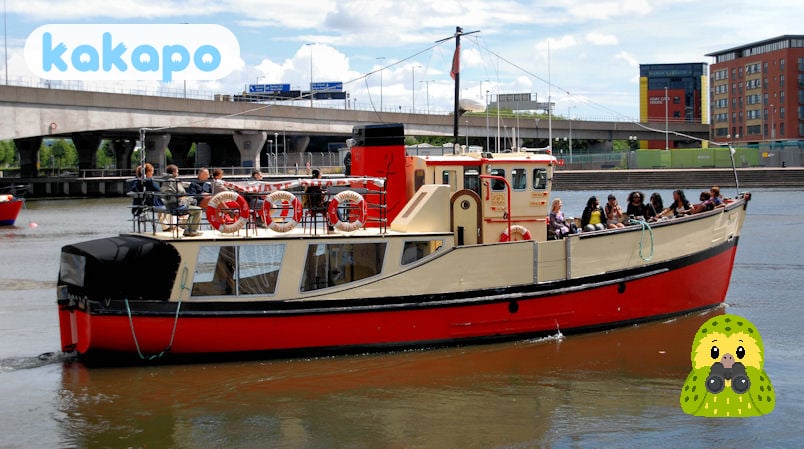
- Titanic Belfast: museum on the slipway where the ship was built. £25.50; pre-book in summer. 2-3 hours.
- SS Nomadic: included with Titanic Belfast — the original Titanic tender. Worth a visit.
- HMS Caroline: WW1 light cruiser, also docked.
- The walk from City Centre to Titanic: 25 min along the Lagan towpath, well-lit and safe; or Glider G2 bus.
- Cathedral Quarter: bars, restaurants, music. Lively + safe. Friday-Saturday after midnight gets noisy with stag parties.
- Drink-spiking: a UK-wide concern; ordinary precautions.
Day trips — Causeway Coast, Game of Thrones
- Giant's Causeway: 1h drive north. National Trust site, free to walk; £15.50 if you want the visitor centre. Cliff edges with limited fencing — don't approach the wet basalt at high tide.
- Carrick-a-Rede rope bridge: 30 km west of Causeway; £15.50, timed entry. Real heights; not for the heights-shy.
- Game of Thrones: filming locations across the Causeway Coast. Studio Tour at Linen Mill Studios £39.50; pre-book.
- Dark Hedges: free; popular sunrise/sunset spot. Park considerately — locals complain about tourist parking.
- Driving: left-hand traffic; rural roads narrow. Sheep on roads in spring.
- Public bus: Translink Causeway Rambler bus links the highlights in summer; cheaper than tours.
Transport, money, the Dublin connection
- Belfast International (BFS): 25 km west; Aircoach 300 to centre £8.50.
- George Best Belfast City (BHD): 5 km, central. Bus 600 to centre £2.50.
- Translink trains to Dublin: Enterprise Belfast Lanyon Place ↔ Dublin Connolly 2h, £25 return advance. Cross-border, no passport check (CTA).
- Glider rapid transit: G1/G2 buses across the city; £2 single tap-on.
- Currency: pound sterling (£) — Northern Ireland uses GBP, not euros. Be aware many shops in Republic of Ireland won't accept GBP.
- Cards: universal.
- Tipping: 10% in restaurants if no service charge.
Neighbourhood-by-neighbourhood breakdown
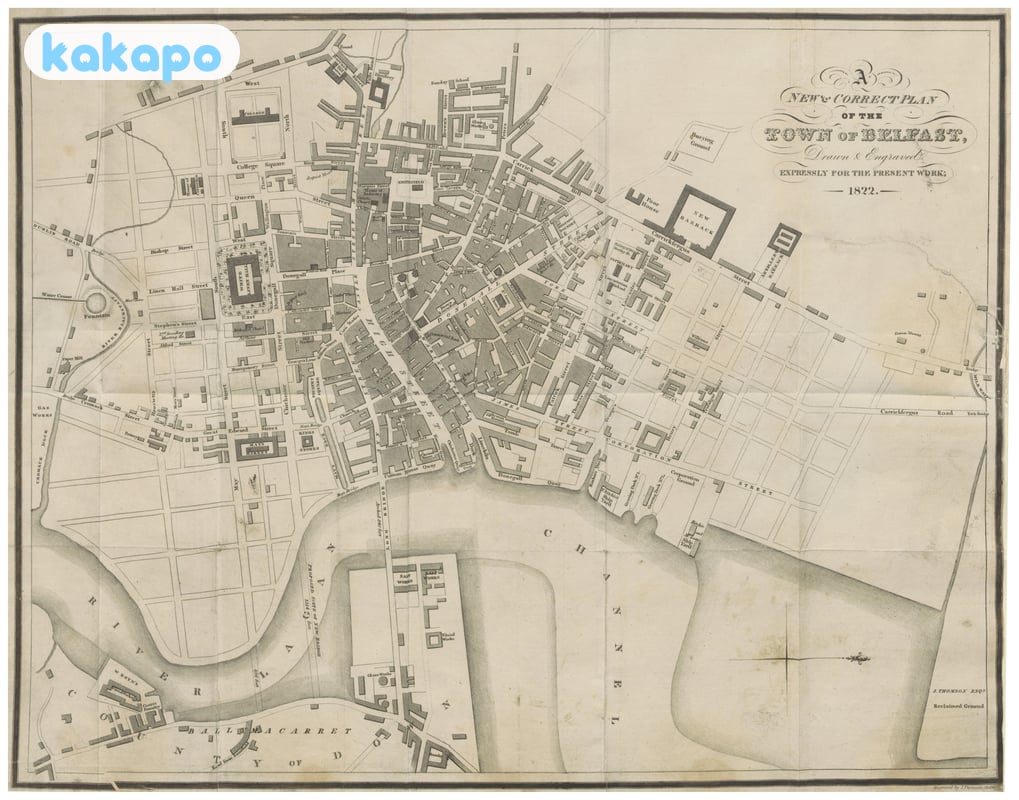
- City Hall and Donegall Square — the ceremonial centre. The 1906 Portland-stone City Hall (free tours), Donegall Place shopping spine running north to Castle Place. Heavy CCTV, family-busy by day, calm by 10pm. The Linen Quarter immediately south has the gentrified hotel cluster (Grand Central, AC Marriott, Bullitt) and Bedford Street's cocktail bars.
- Cathedral Quarter — the nightlife and arts hub north of the centre. St Anne's Cathedral, the Duke of York and Dirty Onion bars on Hill Street, the Black Box venue, the murals along Commercial Court. Friday-Saturday after midnight gets noisy with stag/hen parties; drink-spiking is a UK-wide concern, standard precautions. Sunday is quiet and pleasant.
- Titanic Quarter — the post-industrial waterfront east of the River Lagan. Titanic Belfast (£25.50, pre-book in summer, 2-3 hours), SS Nomadic (included), HMS Caroline WW1 cruiser, the slipways themselves. Walk from the city centre along the Lagan towpath (25 minutes, well-lit) or take the Glider G2 bus. Calm and safe day or night.
- Falls Road (Republican/Catholic West Belfast) — the political-mural heartland. Bobby Sands mural, International Wall, Clonard Monastery, Milltown Cemetery. Routine tourist destination; Black Cab Tours (West Belfast Taxis, Black Taxi Tours Belfast, £35-45/person for 90 minutes) are the standard way most visitors engage. Photographing murals fine; don't photograph people without asking, and don't photograph paramilitary memorials in non-tourist side streets.
- Shankill Road (Loyalist/Protestant West Belfast) — the corresponding Loyalist-tradition area, with its own mural tradition (King William, UVF and UDA memorials, Battle of the Somme tributes). Many visitors do two Black Cab tours — one Falls, one Shankill — to balance perspectives. The Shankill is busier mid-week than weekends; the Peace Wall between Falls and Shankill is the most-photographed structure (international graffiti you can add to).
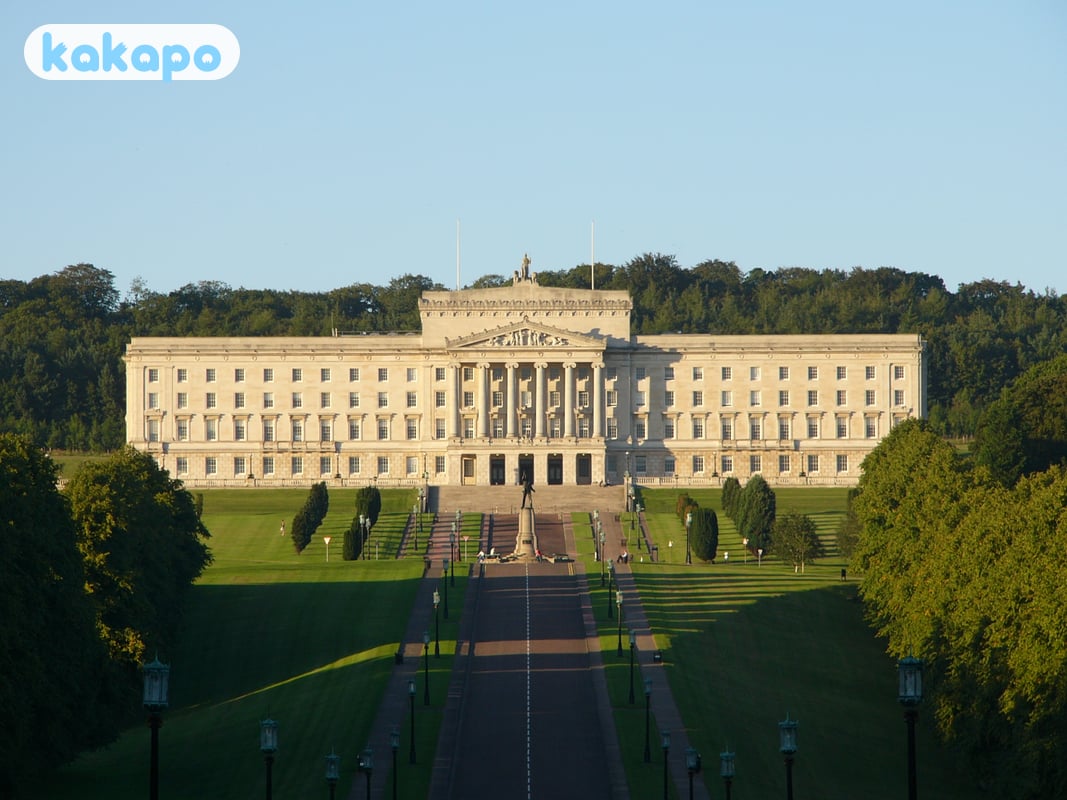
- Stormont (Parliament Buildings) — the Northern Ireland Assembly grounds 8 km east of the centre. Free to visit, beautiful Edwardian estate parkland, the building itself open Mon-Fri when not in session. Glider G2 or bus 4A from Donegall Square East.
- Interfaces (the bits to read carefully) — the term for streets where Catholic and Protestant areas meet, with peace-wall gates that close at night. Lower Shankill, Tigers Bay, parts of Short Strand, parts of Ardoyne. Not no-go zones for tourists in daylight; the 12th of July evening and certain match-day evenings are the flashpoints to skip. Black Cab tours cover the peace wall itself as the headline interface stop.
- Translink network — runs the Glider (G1/G2 rapid-transit buses, £2 single tap-on with contactless), city buses, NI Railways, and the cross-border Enterprise Belfast Lanyon Place to Dublin Connolly (2 hours, £25 return advance, no passport check under the Common Travel Area).
- The Good Friday Agreement context, practically — 1998 ended the formal conflict; Stormont power-sharing returned in February 2024 after a two-year suspension; MI5 lowered the NI-related threat from "severe" to "substantial" in March 2024. Visible to tourists: routine police presence at the courts, political buildings and interfaces; nothing day-to-day. Locals are happy to discuss the past — let them lead, don't deploy "Irish vs British" assumptions because Belfast identity is more nuanced than the binary.
- Belfast International (BFS) vs George Best City (BHD) — BFS is 25 km west (Aircoach 300 to centre £8.50, 40 min), the major-airline hub for EasyJet, Jet2, Ryanair, TUI. BHD is 5 km from the centre (Bus 600 £2.50, 15 min), smaller, used by Aer Lingus and KLM. For day-tripping to the Causeway Coast a rental car works; for staying central, neither airport requires more than a £25 taxi.
If it's your first time visiting
- Best arrival: George Best City (BHD) Bus 600 to Donegall Square in 15 minutes for £2.50 if you can fly there; Belfast International (BFS) Aircoach 300 for £8.50 in 40 minutes otherwise. From Dublin, the Enterprise train to Belfast Lanyon Place is 2 hours, £25 return advance booked through Translink — no passport check under the Common Travel Area, no border friction.
- Best neighbourhood for your first night: the Linen Quarter (Grand Central Hotel, AC Marriott, Bullitt — £130-220/night) puts you 5 minutes' walk from City Hall, Cathedral Quarter and the Glider stops. Cathedral Quarter itself is fine if you want to walk to dinner without coats but expect Friday-Saturday noise until 2am.
- Pre-book Titanic Belfast in summer — £25.50 timed-entry, regularly sells out July-August. Allow 2-3 hours for the museum plus SS Nomadic; combine with HMS Caroline (£12.50 separate) if you're a history reader. The slipway walk outside is free and worth 20 minutes.
- Do a Black Cab tour, ideally two: West Belfast Taxis, Black Taxi Tours Belfast, Original Belfast Black Taxi Tours, £35-45/person for 90 minutes. Drivers come from one community or the other and perspective is openly partisan — book one from each (Falls + Shankill) to balance. Drivers who personalise the conflict are common; some are the best history teachers you'll meet on holiday.
- Causeway Coast as a one-day drive: Giant's Causeway (free National Trust site, £15.50 for visitor centre, 1h drive), Carrick-a-Rede rope bridge (£15.50, timed entry, real heights), Dark Hedges (free, park considerately — locals complain about tourist parking). Game of Thrones Studio Tour at Linen Mill Studios is £39.50 pre-book. Public-bus alternative: Translink Causeway Rambler in summer is cheaper than tours.
- Food and pubs that aren't tourist traps: The Crown Liquor Saloon (Victorian gin palace, National Trust, the most-photographed pub in Belfast — busy but the snugs are real), James Street South (modern Irish, £35-55), Made in Belfast (casual brunch), Mourne Seafood Bar (£25-40, the city's serious seafood spot), Lavery's on Bradbury Place (proper student-and-locals pub). Sunday roast at the Errigle Inn or the Sunflower.
- 12th of July (Eleventh Night) handling: if your dates straddle 11-12 July, central Belfast parades are colourful, family-attended and heavily policed — but the Eleventh Night bonfires in some Loyalist communities (lower Shankill, Tigers Bay) can have sectarian flag-burning and occasional disorder. Tourist plan: enjoy the central parade with crowds, avoid interface neighbourhoods July 11-12 evening, expect reduced trains and buses on the 12th itself. If you don't want to be here at all, Dublin or the Causeway Coast are both two hours away.
- Currency clarity — Northern Ireland uses pound sterling (£), not euros. Many shops in the Republic of Ireland won't accept GBP, so if you're crossing to Dublin keep some euros. Northern Irish banks (Ulster, Bank of Ireland NI, Danske) print their own sterling notes, which are sometimes refused in Britain by inexperienced cashiers — they are legal tender; ask for a manager or swap at a bank if pushed back.
- Common rookie mistakes: photographing paramilitary memorials in residential side streets (locals notice, won't enjoy it); driving up to the Dark Hedges at sunset and parking poorly (residents have legitimately complained for years); booking a Belfast International (BFS) hotel and assuming it's near the centre (it's 25 km west); assuming Belfast bars stop serving at English last-orders (most pubs run to 1am, clubs to 3am); forgetting NI uses GBP not EUR; and trying to do the entire Causeway Coast as a half-day drive (it's a full 9-hour round-trip if you stop properly).
Practical info — emergency numbers
- Emergency: 999 (or 112).
- PSNI non-emergency: 101.
- NHS non-emergency: 111 / GP Out of Hours.
- Royal Victoria Hospital A&E: 028 9024 0503.
- UK textphone for deaf: text 999 if registered.
Bring: a waterproof shell, layered clothing year-round (Atlantic weather), a contactless card, an unlocked phone (Three, EE, O2, Vodafone UK prepaid), and travel insurance with NHS + private cover.
Frequently asked questions
Is Belfast safe to visit in 2026?
Yes. Belfast is comfortably safe for tourists since the 1998 Good Friday Agreement. US State Department lists the UK at Level 2 (terrorism baseline); UK FCDO has no specific Belfast warning. MI5 sets the Northern Ireland-related threat level at 'substantial' — which translates into routine police presence at political buildings, not visible day-to-day for tourists. Tourist-targeted violence has been essentially zero since 1998.
Is Belfast safe at night?
Yes for the Cathedral Quarter, Titanic Quarter, and city centre. Friday-Saturday after midnight the Cathedral Quarter gets noisy with stag parties; drink-spiking is a UK-wide concern, watch your drink. Solo walks back to central hotels are fine; Bolt and Uber operate. Avoid the interface neighbourhoods (where Catholic and Protestant areas meet) late at night — not for tourist-targeted violence, but because that's where occasional street disturbances happen.
Is Belfast safe for solo female travellers?
Yes. Belfast ranks comfortably among UK cities for solo-female safety. The Titanic Quarter, Cathedral Quarter, Botanic, and Queen's University areas are well-lit and busy. Standard precautions in bars (drink-spiking), use Bolt or licensed black cabs at night. Black Cab Tours of West Belfast are entirely safe and run by licensed operators.
Can you drink tap water in Belfast?
Yes. Northern Ireland Water supplies safe, extensively tested water — sourced from local reservoirs. The water is soft compared to most of the UK. Free at every restaurant; refill bottles anywhere.
Should I avoid Belfast around the 12th of July?
Not necessarily — central parades on July 11-12 are colourful, formal, and family-attended; police presence is heavy. But the Eleventh Night bonfires (July 11) in some Loyalist communities can have sectarian flag-burning and occasional disorder in interface neighbourhoods (lower Shankill, Tigers Bay). Tourist plan: enjoy the central parade, avoid the interface areas July 11-12 evening, expect reduced trains and buses on the 12th itself. Book accommodation early if visiting that week.
Are West Belfast and the Falls/Shankill safe to visit?
Yes — both are completely safe in daylight and the Black Cab Tour culture is built around tourists visiting. Falls Road (Republican/Catholic), Shankill Road (Loyalist/Protestant), and the Peace Wall between them are routine visitor destinations. Photographing murals in tourist-route areas is fine; don't photograph people without asking, and don't photograph paramilitary memorials in non-tourist side streets. Many visitors do tours from both communities to balance perspectives.
Sources
Run a business in Belfast?
Show visitors your Belfast business is a safe choice. The free Verified by Kakapo badge puts Belfast's live safety score on your website, links back to your verified page, and updates itself. No cost.
Get the free badge →