


Is Manila, Philippines Safe? A 2026 Travel Safety Guide
Bag snatching, jeepney chaos, typhoon flooding, the Makati-vs-Tondo geography, and how to do Manila without a horror story.

Manila is a complicated answer. The capital region has 14 million people across 16 cities; some districts (Makati CBD, Bonifacio Global City, Ortigas) are as safe as anywhere in Asia for visitors. Others (Tondo, parts of Manila proper, large stretches of Quezon City) genuinely are not, and most travel advisories are explicit about it.
The honest risk picture: petty crime — bag snatching, distraction theft, the "Ativan gang" drink-spiking pattern at bars and on jeepneys — is a real and frequently reported tourist issue. Typhoons and severe flooding (Manila's drainage cannot keep up; even moderate storms shut roads), the world's worst urban traffic, taxi scams (despite Grab's dominance), and a residual scam history at NAIA airport (the "tanim-bala" bullet-planting scandal) round out the picture.
The US State Department lists the Philippines at Level 2 ("exercise increased caution") with Level 3 advisories for Mindanao and the Sulu Archipelago — far from Manila. UK FCDO has no advisories against travel to Manila but explicitly warns about robbery, sexual assault, and drink-spiking. Take the warnings seriously; they reflect real cases.
Visiting Manila for the first time, the thing that catches most travellers off-guard isn't the crime warnings — it's how dramatically the geography stratifies the experience. BGC and Makati feel like Singapore: glass towers, manicured streets, polished mall food courts. Drive 20 minutes to Tondo and you're in working-class Asia at its most stretched. Visitors who stay BGC/Makati and Grab everywhere see a fundamentally different Manila than visitors who try to "explore" Quiapo or Ermita on foot at night. Filipino hospitality is genuine and warm — "Magandang araw" (good day), "Salamat" (thank you), but English is universal in tourist zones and among most Filipinos. A jeepney ride is PHP 13-15 (~25-30 cents), Grab car PHP 200-400 for typical city rides, halo-halo dessert at any merienda place PHP 80-150, a SM Mall food-court meal PHP 200-300, a Bonifacio High Street restaurant dinner PHP 600-1,500.
In 2026, the specific things that have changed since pre-pandemic include: the Metro Manila Subway Line 9 is finally under construction (target opening 2027) — for now the LRT/MRT remain crowded and limited; Grab dominates rideshare with Joyride and Angkas (motorcycle taxis) as alternatives; the Mactan-Cebu Bridge improvements have made Cebu day-extensions easier; the post-2024 Typhoon Carina flooding showed Manila's drainage hasn't fundamentally improved — Signal 3+ typhoons still shut the city; and the NAIA airport bullet-planting "tanim-bala" scandal era is over but airport pickpocket awareness still applies.
| Night safety | 42/100 |
|---|---|
| Scam / petty-crime risk | High |
| Violent crime (tourists) | Medium |
| Most common scams | bag snatching in Ermita; distraction theft at SM Mall of Asia; Ativan gang drink-spiking |
| Safer neighbourhoods | Bonifacio Global City (BGC), Makati CBD, Ortigas Center |
| Data sources cited | 4 |
| Last verified |
What the score means — 58/100
- Personal safety (55) — held back by petty crime, drink-spiking, and area-by-area variability. BGC and Makati alone would score much higher.
- Transport (50) — gridlock + chaotic jeepney/tricycle interactions + uneven pedestrian infrastructure.
- Healthcare (70) — top private hospitals (St Luke's, Makati Medical, Asian Hospital) are excellent; public hospitals overwhelmed.
- Air quality (55) — chronically bad. Diesel jeepneys + traffic = high PM2.5 most days.
Bag snatch, distraction theft, and drink-spiking

- Bag snatch: most often by a passing motorbike or by a pedestrian who darts past, especially in Ermita, Malate, and along Roxas Boulevard. Wear bags cross-body, away from the road, zipped.
- Distraction theft: someone bumps into you / spills something / asks for directions while a partner takes your phone or wallet. SM Mall of Asia and the area around Quiapo are reported hotspots.
- "Ativan gang" / drink-spiking: a long-running pattern in Manila where strangers (often well-dressed Filipino women approaching solo male tourists) befriend a target, spike a drink, and rob the unconscious victim. The US Embassy issues recurring warnings.
- Defences: don't accept open drinks from strangers; don't accept rides from people you've just met; don't bring strangers to your hotel; never leave drinks unattended.
- Don't display valuables: a Rolex or a high-end iPhone openly used on the sidewalk genuinely attracts professional attention. Keep them tucked.
- If robbed: don't resist. Report to the nearest police station for an insurance-grade report. The Tourist Assistance Hotline is +63 2 8459 5200.
Areas — where to stay (and where not to)

Recommended bases for visitors:
- Bonifacio Global City (BGC) — modern, walkable, gleaming. The safest tourist district by a wide margin. Most international hotel chains are here.
- Makati CBD (Ayala Avenue, Salcedo, Legaspi) — business district; well-policed; easy access to malls, restaurants. Greenbelt and Glorietta are the entertainment hubs.
- Ortigas Center — Pasig City business district; safe, malls, mid-priced hotels.
- Intramuros — the walled colonial district; visit by day, don't stay overnight (limited accommodation and the surrounding neighbourhoods are rough at night).
Stay aware / extra caution:
- Ermita / Malate — historic tourist district, mixed nightlife, persistent street crime issues. Some hotels are fine; the surrounding streets at night are not.
- Quiapo — daytime visit (Quiapo Church, Carriedo) fine with awareness; night not.
- Tondo — the historically depressed dockside district. Tourists genuinely have no reason to be there. Skip "slum tours" unless with a vetted, ethical operator.
- Manila North Cemetery — a community lives inside; tourists are routinely robbed.
Typhoons and flooding
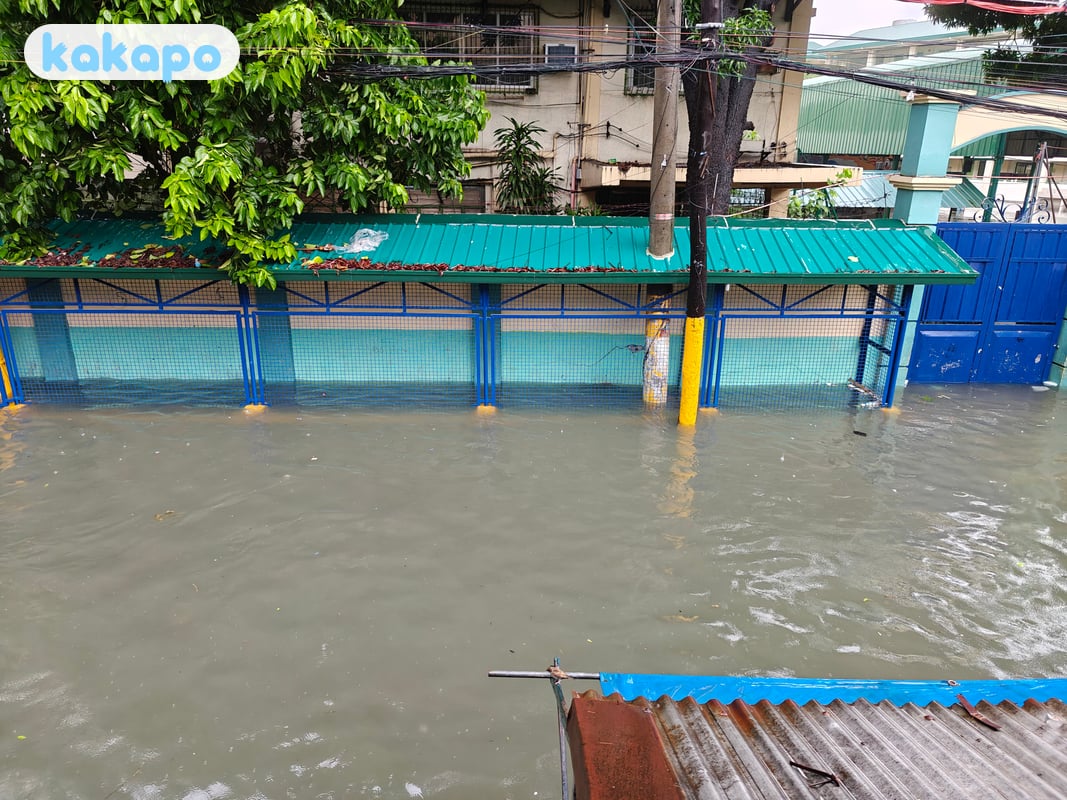
- Season: Jun-Nov; peak Aug-Oct. The Philippines averages 20 named storms a year — more than any country on earth.
- Recent severe events: Yolanda/Haiyan (2013, the Visayas), Ulysses/Vamco (2020, Manila — devastating Marikina/Cainta floods), Carina (2024, Manila standstill, multiple deaths).
- Manila floods quickly: even a heavy thunderstorm can flood EDSA underpasses and main avenues. Wading through floodwater carries leptospirosis risk — don't.
- Warnings: PAGASA issues 5 Public Storm Signal levels. Signal 2+ shuts schools and offices. NAIA airport diverts Signal 3+.
- If a Signal is raised: stay in your hotel. Don't try to make a flight. Insurance with cancellation cover essential Aug-Oct.
- Earthquakes: Manila is overdue for a major event on the West Valley Fault per PHIVOLCS modelling. Building standards in Makati / BGC modern; older Manila buildings vulnerable.
Transport — Grab, jeepneys, and EDSA gridlock

- Grab: dominant. Default for tourists. Surge pricing during rush hour and rain is brutal.
- Yellow taxis at NAIA: official airport taxis with fixed-rate per zone. Avoid white "MGE" or unmarked taxis at arrivals — taxi scams are persistent.
- Jeepneys: cultural icon, ₱13 base fare, hand cash forward through other passengers. Pickpocket risk; women have reported groping. Try one with a local; not the default for tourists.
- Tricycles: short-haul, agree price first; ₱30-50 for short trips.
- LRT-1, LRT-2, MRT-3: cheap (₱15-30), useful, crowded; women-only carriages at the front. Hold bags.
- EDSA traffic: world-famous. Manila-airport-to-Makati can take 20 minutes at midnight or 3 hours at 6pm. Plan for the worst.
- NAIA: 4 terminals, NOT well-connected to each other. Allow 60 min between terminals at NAIA. Confirm your terminal before leaving the hotel.
NAIA airport — what to know
- "Tanim-bala" history: the bullet-planting scandal of 2015-2017 saw airport screeners "discover" loose bullets in tourists' luggage and demand bribes. The practice was officially shut down and arrests were made; reports have largely stopped. Do not pack your bags in public; use TSA-approved locks.
- Don't carry items for strangers. The Philippines has the death penalty's history with drug couriers (now reduced to life imprisonment, but still severe).
- Travel tax: ₱1,620 (~$30) for departing foreign nationals on outbound international flights — usually included in ticket; if not, payable at the dedicated counter.
- Connecting flights: build in 4+ hours if changing terminals. Free shuttle bus runs but is irregular.
- Grab pickup: terminal-specific designated lots. Follow signs.
Health — dengue, water, food, heat
- Dengue: endemic, peaks in rainy season (Jun-Oct). DEET, long sleeves at dusk, screened/AC accommodation.
- Tap water: not drinkable. Bottled or filtered only.
- Ice and food: industrial ice (cylinder with hole) is generally safe. Street food at busy turnover places usually fine; balut is an experience but check freshness.
- Leptospirosis: real risk after flood wading. Don't walk through floodwater.
- Heat: 30-35°C with humidity year-round. Seek air-conditioned rest stops.
- Vaccinations: standard travel set (Hep A, Typhoid, Tetanus); rabies vaccine if extended stay.
- Top private hospitals: Makati Medical Center (+63 2 8888 8999), St Luke's BGC (+63 2 8789 7700), Asian Hospital (+63 2 8771 9000). All accept international insurance.
Neighbourhood-by-neighbourhood breakdown
- Bonifacio Global City (BGC, Taguig) — the modern, walkable, glass-tower district, the safest tourist area by far. International hotel chains (Shangri-La, Grand Hyatt, Hilton, Fairmont), polished restaurants, the Mind Museum, Bonifacio High Street. Very safe day and night.
- Makati CBD (Ayala Avenue, Salcedo, Legaspi) — the business district, Greenbelt and Glorietta malls, Power Plant. Heavily policed, very safe. Salcedo Saturday market is the local food highlight.
- Ortigas Center (Pasig) — another business district, SM Megamall, Robinson's Galleria, mid-priced hotels. Safe, polished.
- Intramuros (Manila proper) — the walled colonial district, Fort Santiago, San Agustin Church. Day-trip destination — atmospheric, fine to visit, don't stay overnight (surrounding neighbourhoods rough).
- Ermita / Malate (Manila proper) — historic tourist district along the bay, mixed nightlife. Hotels OK; the surrounding streets at night have persistent crime issues. Stay aware.
- Binondo (Chinatown) — world's oldest Chinatown, vibrant food scene, very safe by day, scrappier at night.
- Quiapo — old Manila, Quiapo Church and Carriedo. Daytime visit fine with awareness; not for solo wandering at night.
- Quezon City (UP Diliman, Tomas Morato, Maginhawa) — university and food-strip districts. Mostly safe; very large; avoid outer Quezon City after midnight.
- Tondo — historically depressed dockside district. Tourists genuinely have no reason to visit; skip slum tours unless with a vetted ethical operator.
- Manila North Cemetery — a community lives inside; tourists are routinely robbed. Don't visit.
If it's your first time visiting
- Best arrival airport: Ninoy Aquino International (NAIA), 7 km south of Makati. To centre: Grab car PHP 250-500 in 30-90 min depending on traffic and terminal, official Yellow Cab fixed-rate PHP 350-500, airport bus PHP 350 to Pasay terminal. Allow 60 min between NAIA terminals — they're not well connected.
- Public transport: Grab is the default and only practical choice for tourists. LRT-1, LRT-2 and MRT-3 are crowded but cheap (PHP 15-30) — useful for Makati to Ortigas. Jeepneys are cultural icons but not the default for tourists (pickpocket risk, groping reports). Tricycles for short hops only.
- Best neighbourhood for your first night: BGC for the polished modern feel and walkability, Makati CBD (Salcedo/Legaspi/Ayala) for centrality and the food scene, Ortigas for cheaper. Avoid first-time bookings in Ermita, Malate, or anywhere in Manila proper or Pasay.
- Day 1, jet-lag friendly: drop bags at BGC or Makati hotel, halo-halo at any merienda place, walk Bonifacio High Street or Salcedo, dinner at a BGC restaurant (Wildflour, Las Flores, Manam, Tasteless Food Group spots — PHP 800-1,500 per person), evening drink at a BGC rooftop. Don't try Intramuros on Day 1.
- Day 2 essentials: Intramuros morning (Fort Santiago, San Agustin Church, kalesa horse-carriage rides PHP 350-700, Bambike eco-tour PHP 1,500), Binondo Chinatown food tour for lunch, Rizal Park late afternoon, evening at Greenbelt or BGC.
- Day trips: Tagaytay and Taal Volcano (1.5h south, the active volcano with a lake-in-volcano-in-lake), Pampanga food tour (1.5h north), Corregidor Island (2h ferry from CCP, WWII history). For beaches, fly to Cebu, Bohol or Palawan rather than driving anywhere.
- Common rookie mistakes: accepting an unmarked white "MGE" taxi at NAIA (the rip-off pattern); accepting drinks from new friends at Makati or BGC bars (Ativan gang drink-spike-and-rob pattern); walking from Makati to Ermita at night (Grab); leaving a Rolex or high-end iPhone visible on the sidewalk (professional snatch attention); attempting to make a flight during PAGASA Signal 3+ typhoon (NAIA diverts; stay in your hotel).
- For NAIA: use TSA-approved locks (the "tanim-bala" bullet-planting era is over but airport pickpocket-and-thief awareness still applies); allow 4+ hours if changing NAIA terminals; PHP 1,620 travel tax may need to be paid at the counter if not included in your ticket.
- Tap water is not safe. Bottled is universal (PHP 25-30 per 1.5L bottle). Don't wade through floodwater — leptospirosis is a real risk.
Money, etiquette, emergency numbers
- Currency: Philippine peso (₱ / PHP). $1 ≈ ₱58.
- Cards: malls, hotels, mid-range restaurants yes. Markets, taxis, jeepneys — cash. ATMs at BPI, BDO, Metrobank.
- Tipping: 10% in restaurants if not on bill; ₱20-50 for hotel porters and cleaners.
- Etiquette: Filipinos are deeply hospitable. English is universal in Manila.
- LGBTQ+: Manila is comparatively accepting; same-sex marriage is not legal but discrimination in tourist areas is rare.
- Emergency: 911 (national emergency hotline). Tourist Assistance Hotline +63 2 8459 5200. Manila Police District 117.
- SIM: Globe or Smart at NAIA arrivals; ~₱500 for 8-15 days unlimited data + tourist SIM kits.
Frequently asked questions
Is Manila safe to visit in 2026?
It's a complicated answer. Some districts (BGC, Makati CBD, Ortigas) are as safe as anywhere in Asia for visitors; others (Tondo, parts of Manila proper, large stretches of Quezon City) genuinely are not, and most travel advisories are explicit about it. The US State Department lists the Philippines at Level 2 ("exercise increased caution") with Level 3 zones in Mindanao and the Sulu Archipelago — far from Manila. UK FCDO warns about robbery, sexual assault, and drink-spiking. Take those warnings seriously; they reflect real cases. Stay in BGC or Makati, use Grab, and the typical visit is fine.
Is Manila safe at night?
In BGC and Makati CBD, yes — both are well-lit, well-policed, and walkable. Ortigas similar. Outside those zones the answer changes quickly. Ermita and Malate (historic tourist district) have persistent street-crime issues at night, even with hotels that feel fine. Quiapo, Tondo and Manila North Cemetery are not for tourists after dark. Don't accept open drinks from strangers (the "Ativan gang" drink-spike-and-rob pattern is well-documented and the US Embassy issues recurring warnings), don't bring strangers to your hotel, and Grab home rather than walking anywhere unfamiliar.
Is Manila safe for solo female travellers?
Possible with care, mostly by staying in BGC or Makati and using Grab. The drink-spiking pattern targets male tourists more often but isn't gender-exclusive. Standard precautions: don't accept open drinks from strangers, don't leave drinks unattended, supervise food and drinks at all times, take Grab home, don't bring strangers to your hotel. Jeepneys are not the default for solo female tourists; women have reported groping on crowded routes. MRT and LRT have women-only carriages at the front.
Can you drink tap water in Manila?
No — Manila tap water is not drinkable. Use bottled or filtered only. Hotels provide bottled water in every room; convenience stores stock 1.5L bottles for ₱25-30. Industrial ice (cylinder with hole) is generally safe; ice from unknown sources is not. Brushing teeth with tap is usually fine for short stays but bottled is safer. Don't wade through floodwater — leptospirosis is a real risk in Manila.
What's the biggest scam to avoid in Manila?
Drink-spiking at bars and clubs — the so-called "Ativan gang" pattern is well-documented (often well-dressed Filipino women approaching solo male tourists at upscale bars). Other recurring traps: taxi scams at NAIA (use only official Yellow Cabs from the fixed-rate taxi counter, or Grab from the designated lots — never "MGE" or unmarked white taxis at arrivals), and the historical "tanim-bala" bullet-planting scandal at NAIA security (largely shut down post-2017 but use TSA-approved locks and don't pack bags in public). If robbed, don't resist; report to police for an insurance-grade report. The Tourist Assistance Hotline is +63 2 8459 5200.
How dangerous are Manila's typhoons and floods?
Genuinely dangerous and frequent. The Philippines averages 20 named storms a year — more than any country on earth — and the peak season is August to October. Manila floods quickly: even a heavy thunderstorm can flood EDSA underpasses and main avenues, and major events (Ulysses/Vamco 2020, Carina 2024) have brought the city to a standstill. PAGASA issues 5 Public Storm Signal levels; Signal 2-plus shuts schools and offices and NAIA diverts at Signal 3-plus. Stay in your hotel during raised signals — don't try to make a flight. Never wade through floodwater because of leptospirosis risk. Travel insurance with typhoon cancellation cover is essential August-October. Manila is also overdue for a major earthquake on the West Valley Fault per PHIVOLCS modelling; BGC and Makati buildings are modern, older Manila buildings are vulnerable.
Sources
Run a business in Manila?
Show visitors your Manila business is a safe choice. The free Verified by Kakapo badge puts Manila's live safety score on your website, links back to your verified page, and updates itself. No cost.
Get the free badge →