What happened
Typhoon Dolphin, designated the season's 13th typhoon, tracked west across the Ryukyu Islands in early August 2026, passing close to Japan's Okinawa main island on August 6-7 with sustained winds around 78 knots (roughly 144 km/h) and gusts as high as 117 knots (216 km/h). The storm brought violent winds, dangerous seas, and heavy rainfall to the Okinawa and Amami regions, and at least five people were reported injured in Japan as the typhoon passed nearby. Weathernews and The Watchers tracked the storm's approach and impact in detail.
After clearing Okinawa, Dolphin continued west into the East China Sea and made landfall on the Chinese mainland near Wenzhou, in Zhejiang province, with China's National Meteorological Center forecasting the storm could strike anywhere along the coast between Zhejiang and northern Fujian between the afternoon of August 9 and the morning of August 10. Eastern Zhejiang, the province that contains Wenzhou, was forecast to receive more than 600 mm of rain through landfall, a volume capable of causing significant flooding, landslides in hilly terrain, and travel disruption. Al Jazeera's tracker covered the storm's full path and expected intensity as it approached the mainland.
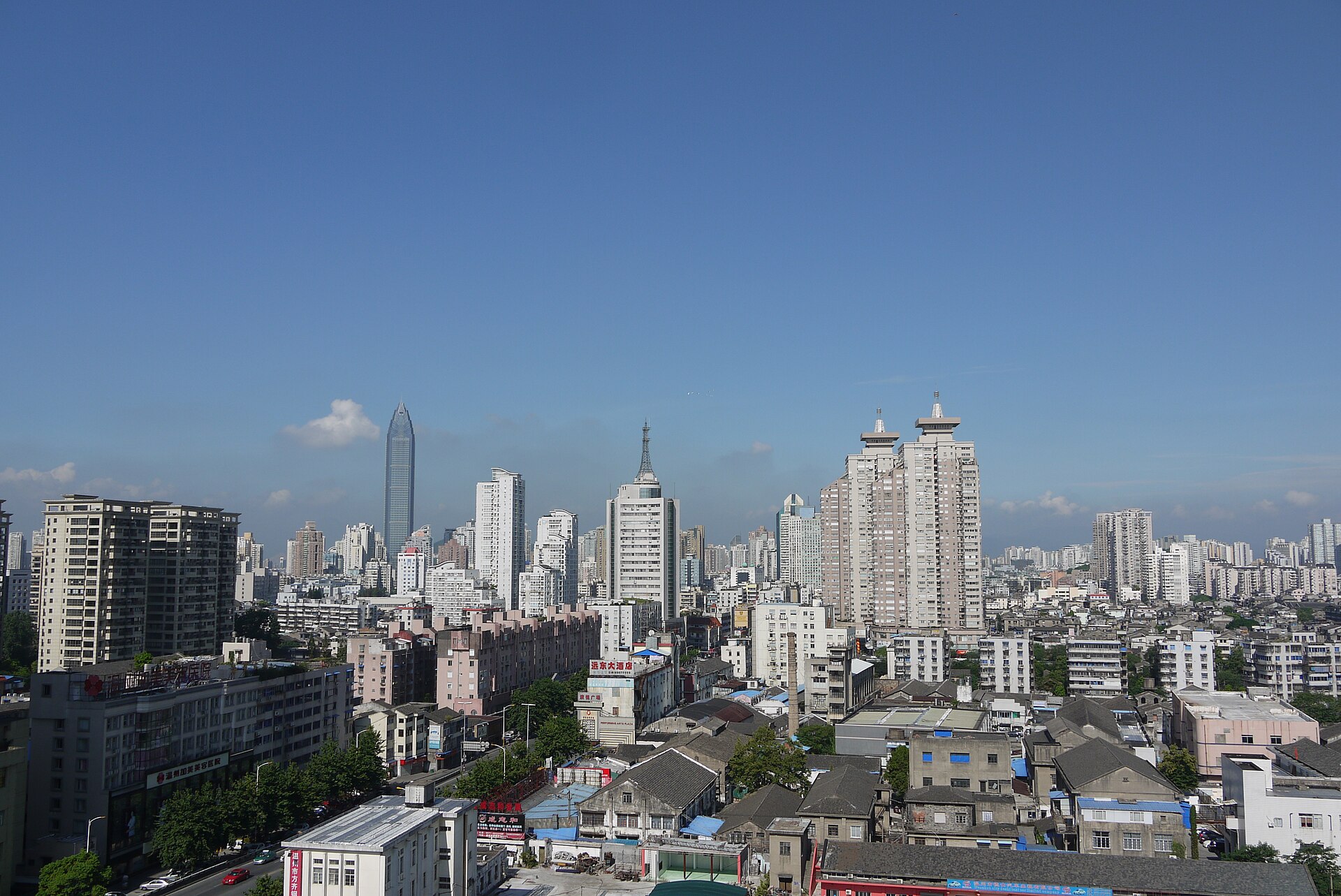
Wenzhou is a mid-sized coastal port and manufacturing city in southeastern Zhejiang with a domestic airport and rail links into China's high-speed network; it is visited far more by business travelers and by travelers connecting through the wider Zhejiang region than by leisure tourists on a first China itinerary, but the storm's rainfall footprint affects a much broader area than the city itself, including popular routes through Zhejiang and northern Fujian.
Why it matters for travelers
A typhoon of this strength making a direct or near-direct landfall on a populated coastal city is one of the more disruptive things that can happen to a trip, even when nobody is hurt. The practical effects for travelers cluster around three things: transit, not injury risk, since coastal Chinese cities have mature typhoon-response systems; flooding and landslide risk in the days immediately after landfall, particularly in hilly or low-lying parts of the affected provinces; and knock-on disruption to flights and high-speed rail across a wider area than just Wenzhou itself, since airlines and rail operators typically suspend or reduce service across an entire province, not just the landfall point, in the 24 to 48 hours around a storm of this size.
China's typhoon warning and evacuation systems are generally effective and well-practiced, given how frequently the eastern coast is hit; injuries and fatalities from a storm like Dolphin are usually concentrated among people who ignore evacuation orders, are caught outdoors during peak winds, or are in structurally vulnerable housing, categories that rarely include tourists staying in hotels. The bigger practical risk for a traveler is being stranded by cancelled flights or trains, or caught in flooded streets while trying to move around during or immediately after the storm.
600 mm of rain in a short window, the amount forecast for eastern Zhejiang, is enough to cause urban flooding even in cities with reasonably good drainage, and can trigger landslides in the hillier parts of Zhejiang and Fujian, areas that include some popular scenic routes. Storm surge along the immediate coastline is also a factor for anyone staying in low-lying waterfront areas.
What to do
- If you have travel booked to Wenzhou, elsewhere in Zhejiang, or northern Fujian around August 9-10, 2026, check your airline's and rail operator's status pages before heading to the airport or station; mass suspensions are standard practice ahead of a storm of this strength and are a safety measure, not a sign anything has gone wrong.
- Avoid coastal roads, waterfront promenades, and low-lying areas during and for at least a day after the storm passes; storm surge and flash flooding are the primary hazards, not wind exposure indoors.
- If you are staying in the region, follow local authority instructions on any evacuation notices, particularly if you are in a coastal or hillside area; Chinese authorities typically issue these with reasonable lead time and enforce them.
- Build in flexibility around this window if your itinerary is not fixed; storms of this size in this region typically cause one to three days of disrupted transit even after the wind and rain subside, as floodwater drains and services resume.
- Keep phone battery and a physical copy of key documents accessible in case of localized power or connectivity disruption, standard practice for any major storm, not specific to this one.
- If your trip is further out, monitor forecasts closer to your travel date; typhoon damage and any lingering disruption to infrastructure in Wenzhou is usually cleared within a few days for a storm of this category, so this is a near-term disruption rather than a reason to change plans made weeks out.
Wenzhou and the wider region's safety context
Wenzhou itself is not one of China's major international tourist destinations, and day-to-day crime and safety conditions there are consistent with the broader pattern across urban coastal China: low rates of violent crime against travelers, well-developed policing and infrastructure, and the main practical risks for visitors being road traffic, air quality on high-pollution days, and now, seasonally, typhoon exposure given the city's position on a coastline that sees regular storm activity between roughly June and October.
That seasonal typhoon exposure is worth building into any China coastal trip planning during those months, whether the destination is Wenzhou, Shanghai, Fuzhou, Xiamen, or any other city along the eastern seaboard. None of these cities are unsafe to visit because of typhoon season; the storms are forecast well in advance, response systems are mature, and the practical impact for most travelers is a delay rather than a danger, provided normal caution around flooding and official guidance is followed.
Kakapo will continue tracking whether Dolphin causes lasting infrastructure damage or casualties beyond the injuries already reported in Japan, and will update this guide if the picture changes materially once the storm has fully cleared the coast.
Cited sources
Reporting from the outlets below.
-
1
Watchers Typhoon Dolphin strengthens near Okinawa, 5 injured as China braces for landfall
-
2
Weathernews Update: Strong Typhoon No. 13 (Dolphin) Passes Near Okinawa with Violent Winds, Tracking Toward East China Sea and Central China
-
3
Al Jazeera Typhoon Dolphin hurtles towards Japan: Tracker, updates and what to expect
Frequently asked questions
Is Wenzhou safe to travel to right now?
Typhoon Dolphin, a large and powerful storm that injured at least five people as it passed close to Okinawa, made landfall on China's eastern coast near Wenzhou around August 9-10, 2026, bringing violent winds, storm surge, and heavy rain to the Zhejiang and northern Fujian coastline. See Kakapo's live Wenzhou safety report for the up-to-date composite score, neighbourhood-by-neighbourhood breakdown, and per-source advisories from US State Dept, UK FCDO, Canadian government, and Australian Smartraveller.
What happened in Wenzhou?
Typhoon Dolphin makes landfall near Wenzhou after battering Okinawa. Typhoon Dolphin, a large and powerful storm that injured at least five people as it passed close to Okinawa, made landfall on China's eastern coast near Wenzhou around August 9-10, 2026, bringing violent winds, storm surge, and heavy rain to the Zhejiang and northern Fujian coastline. This is a incident based on reporting from major travel-news outlets — see the cited sources below for the original coverage.
Should I cancel my trip to Wenzhou?
Most travel-safety events do not require cancelling a planned trip. Read the "What it means for travelers" section above for the specific guidance, check the live Wenzhou safety report for the current overall score, and consult your travel insurance for cancellation eligibility. Kakapo updates the Wenzhou safety profile as new advisories land.
Where can I find more travel safety news?
Kakapo publishes new travel-safety updates as events develop, sourced from BBC, Reuters, the Guardian, Al Jazeera, Deutsche Welle, France 24, US State Dept, and UK FCDO. Visit the live travel-news feed at kakapo.travel/travel-news for the latest.