What happened
On the night of January 3, 2026, arsonists set fire to a cable bridge over the Teltow Canal at a combined heat and power plant in the Lichterfelde district of southwest Berlin. The fire destroyed five 110 kV high voltage cables and ten 10 kV medium voltage cables, cutting the independent power feed for a large slice of the city. More than 40,000 households and around 2,000 businesses lost electricity and heating in the middle of winter, affecting an estimated 100,000 people across six neighborhoods: Dahlem, Schlachtensee, Lichterfelde, Nikolassee, Wannsee and Zehlendorf. Power was not fully restored until January 7, making it the longest outage the city had seen since 1945, as reported by CNN and documented in detail on Wikipedia.
A left wing extremist group known as the Vulkangruppe initially claimed responsibility in a letter posted to the Indymedia platform, framing the action as a protest against fossil fuel electricity, though the group later distanced itself from the attack. Germany's Public Prosecutor General took over the case on January 6 on suspicion of terrorist activity, a step Euronews covered at the time. A one million euro reward was offered later in January, and on March 24 investigators raided 17 locations linked to four suspects aged between 28 and 35, although no arrests were made.
This week the story reached a formal milestone. A state appointed commission concluded that the blackout was indeed a terrorist attack and called it a wake up call for cities across Germany, according to Bloomberg. The commission recommended tougher physical security for critical infrastructure, more federal funding to prepare for and recover from such incidents, and the creation of a chief resilience officer role for the city. The report did not put a figure on the total cost of the outage or reach firm conclusions about the attackers' wider network.
Why it matters for travelers
It is worth being clear about scale before anything else. This was a single, deliberate attack on one piece of the electricity grid, not a sign of ongoing danger on Berlin's streets. The commission's findings are essentially an after action review of an event that ended six months ago, and the practical takeaway is about infrastructure resilience rather than any threat aimed at visitors or tourists.
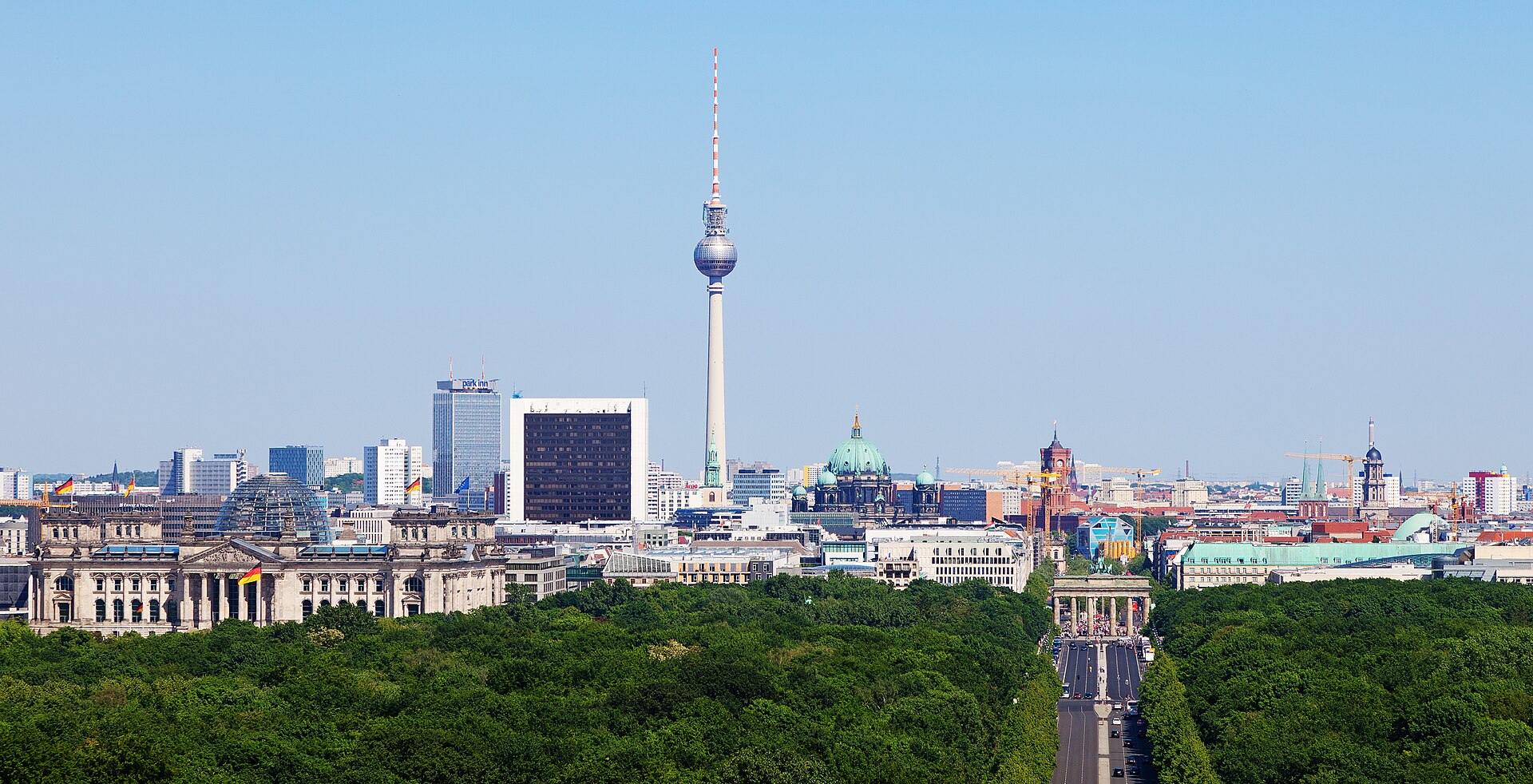
The districts that lost power, including Wannsee, Dahlem and Zehlendorf, sit on the leafy southwestern edge of the city. They are popular for lake swimming in summer, the Dahlem museums and quiet residential walks, but they are not where most short stay visitors spend their nights. Central Berlin, Mitte, Kreuzberg, Prenzlauer Berg and the main transport hubs were unaffected in January. If a similar outage happened again, the most likely inconvenience for a traveler would be practical rather than dangerous: card readers going offline, cash machines out of service, trams or S Bahn services disrupted in a specific area, and hotels running on limited backup power.
The broader signal here is a positive one for anyone weighing up a trip. Authorities treated the incident seriously, moved it to the federal terrorism prosecutor, and have now produced concrete recommendations to harden the grid. That is the system working as it should. Berlin remains one of the safer major capitals in Europe, with a Kakapo safety score of 82, low levels of violent crime against visitors, and a dense, reliable public transport network. The everyday risks a traveler is far more likely to meet are ordinary ones: pickpocketing around Alexanderplatz, the Brandenburg Gate and on busy U Bahn lines, and the usual care needed in nightlife areas late at night.
What to do
You do not need to change your plans to visit Berlin because of this report, and there is no active advisory tied to it. The sensible response is simply to carry the same light resilience that serves you well in any big city.
Keep a small amount of cash on you. Berlin is less card friendly than many visitors expect even on a normal day, and plenty of bakeries, bars and smaller restaurants still prefer or require cash. In the rare event of a local power or payment outage, cash keeps you moving.
Carry a charged power bank and download offline maps before you head out. If a neighborhood loses power, mobile networks and card payments can wobble, so having your route, your accommodation address and a rough transit plan available offline removes most of the friction. Screenshot your hotel booking and any tickets rather than relying on being able to load them live.
Know the basic emergency numbers. In Germany you dial 112 for fire and medical emergencies and 110 for police, and both work from any phone. The city's transport operator, the BVG, and the regional S Bahn post live disruption updates, so if you hear about an outage or a large demonstration, a quick check of their service alerts will tell you whether your line is affected.
Give large public gatherings a wide berth. Unrelated to this attack, Berlin regularly hosts big demonstrations and marches, particularly around the government quarter and on May 1. These are usually peaceful, but they can close streets and reroute transport at short notice, so it is easiest to plan around them rather than through them.
Finally, keep the January outage in perspective. It was a serious crime that the authorities are addressing head on, and it tells you more about the resilience of the systems around you than about any risk to your trip. For a traveler, the practical lesson is the same modest preparation that makes any city trip smoother: a little cash, a charged phone, offline maps and an eye on local service alerts. With those in your pocket, Berlin remains a rewarding and straightforward city to explore.
Cited sources
Reporting from the outlets below.
-
1
Bloomberg Berlin's January Power Outage Was Terror Attack, Commission Says (Bloomberg)
-
2
Wikipedia 2026 arson attack on the Berlin power grid (Wikipedia)
-
3
Euronews German prosecutors launch terrorism probe into far-left attack behind Berlin blackout (Euronews)
-
4
CNN Thousands of Berliners lost power for days after activists struck (CNN)
Frequently asked questions
Is Berlin safe to travel to right now?
A state-appointed commission has formally concluded that the arson that knocked out power to parts of southwest Berlin over five days in January was an act of terrorism, and has called for stronger protection of the city's critical infrastructure. The attack is an isolated case and does not change the day-to-day picture for travelers, though it is a useful reminder to carry a little backup for power and payments. See Kakapo's live Berlin safety report for the up-to-date composite score, neighbourhood-by-neighbourhood breakdown, and per-source advisories from US State Dept, UK FCDO, Canadian government, and Australian Smartraveller.
What happened in Berlin?
Berlin's January power blackout confirmed as a terror attack, but the city stays broadly safe for visitors. A state-appointed commission has formally concluded that the arson that knocked out power to parts of southwest Berlin over five days in January was an act of terrorism, and has called for stronger protection of the city's critical infrastructure. The attack is an isolated case and does not change the day-to-day picture for travelers, though it is a useful reminder to carry a little backup for power and payments. This is a resolved based on reporting from major travel-news outlets — see the cited sources below for the original coverage.
Should I cancel my trip to Berlin?
Most travel-safety events do not require cancelling a planned trip. Read the "What it means for travelers" section above for the specific guidance, check the live Berlin safety report for the current overall score, and consult your travel insurance for cancellation eligibility. Kakapo updates the Berlin safety profile as new advisories land.
Where can I find more travel safety news?
Kakapo publishes new travel-safety updates as events develop, sourced from BBC, Reuters, the Guardian, Al Jazeera, Deutsche Welle, France 24, US State Dept, and UK FCDO. Visit the live travel-news feed at kakapo.travel/travel-news for the latest.