


Is The Bronx, United States Safe? A 2026 Travel Safety Guide
NYC's only mainland borough, Yankee Stadium, the Bronx Zoo + NYBG, the South-Bronx-vs-the-rest geography, and the realistic risks.

The Bronx is NYC's only mainland borough — northernmost of the five. ~1.4 million people. The realistic concerns for visitors are the South Bronx neighbourhoods that still carry a higher recorded-crime profile than other NYC areas (Mott Haven, Hunts Point, Morrisania historically have higher rates — though far from the 1980s-90s extremes), the standard NYC subway awareness (especially after midnight on certain lines through The Bronx), and the limited tourist infrastructure outside of Yankee Stadium / The Bronx Zoo / New York Botanical Garden / Wave Hill / Arthur Avenue.
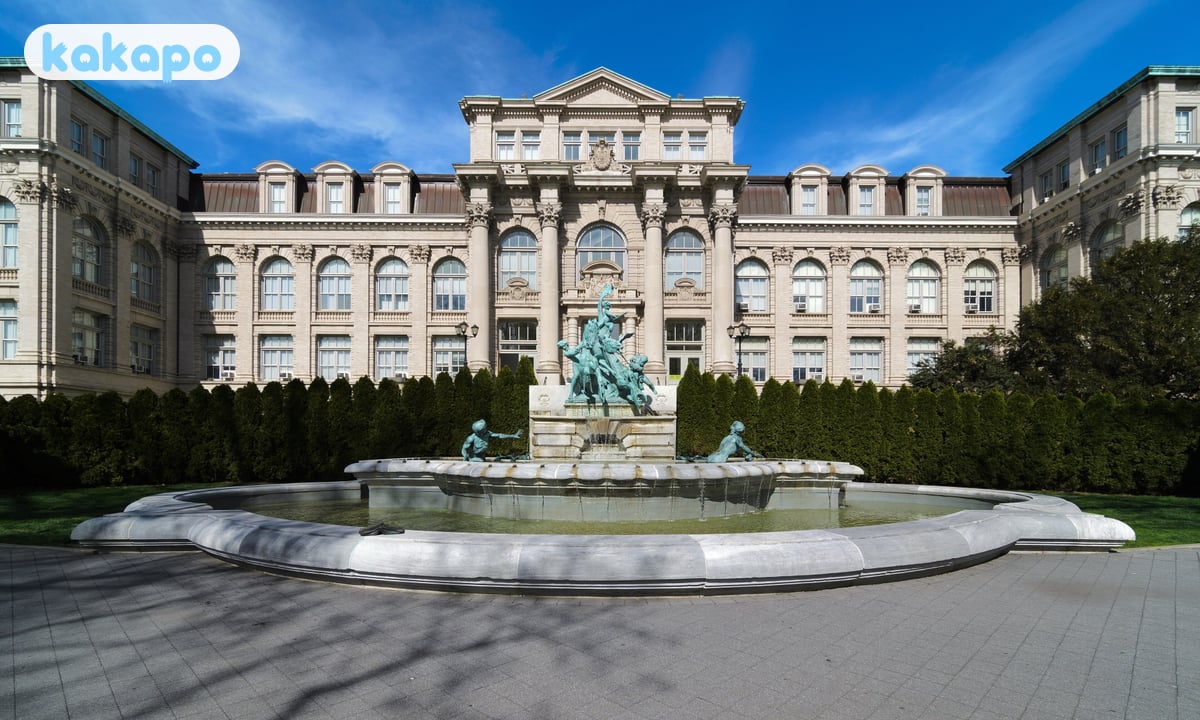
The Bronx is part of NYC — see our New York City guide for the broader context. The Bronx-specific anchors: Yankee Stadium (game day a fun + safe experience), The Bronx Zoo (one of the world's largest urban zoos), New York Botanical Garden (NYBG), Arthur Avenue (the "real" Little Italy — better than Manhattan's), Wave Hill, City Island (clam shacks).
| Night safety | 61/100 |
|---|---|
| Scam / petty-crime risk | Medium |
| Violent crime (tourists) | Medium |
| Safer neighbourhoods | Riverdale, City Island, Arthur Avenue |
| Data sources cited | 4 |
| Last verified |
What the score means — 81/100
- Healthcare (84) — Montefiore Medical Center (one of US largest); Jacobi Medical Center; NYC H+H/Lincoln.
- Transport (80) — multiple subway lines + Metro-North.
- Air quality (72) — pulled down by Cross Bronx Expressway emissions in central + south.
- Personal safety (64) — pulled down by South Bronx + outer-night recorded-crime profiles. Tourist-facing zones (Stadium, Zoo, NYBG, Riverdale) safer.
South Bronx vs the rest
- South Bronx: Mott Haven, Hunts Point, Morrisania, Melrose, East Tremont. Historically + currently NYC's higher-crime zone (though still vastly safer than the 1980s/90s reputation). Rapidly gentrifying in places (Mott Haven especially).
- The Hub (149th + 3rd Ave): commercial centre of South Bronx; daytime busy, evening with awareness.
- North Bronx: Riverdale, Pelham Parkway, Throgs Neck, Country Club, City Island — quiet, residential, similar to suburbs. Safe.
- Central Bronx: Yankee Stadium / Concourse / Fordham Road areas — daytime + game-day safe; outer streets at night with awareness.
Yankee Stadium — game day
- Get there: subway 4/B/D to 161st-Yankee Stadium. Safer than driving (parking is hellish + expensive).
- Game-day vibe: highly policed, family-friendly, no notable crime issues.
- Surrounding area: 161st St + Grand Concourse stays busy + safe pre/post game. Don't wander far north of 167th at night unless specifically going somewhere.
- Cash for vendors: many street vendors prefer cash.
The Zoo + NYBG — practical visit
- Bronx Zoo: B/D + Bx12 bus, or 2/5 subway to West Farms Sq.
- New York Botanical Garden (NYBG): Metro-North Harlem Line to Botanical Garden station (20 min from Grand Central).
- Both safe: gated, well-policed, family destinations.
- Pair with Arthur Avenue lunch: 10-min walk from Zoo's Asia Gate or NYBG's Mosholu Gate — Italian-American food.
Yankee Stadium + the South Bronx — what tourists actually see
Most international visitors to the Bronx go for one of three things: a Yankees game, the Bronx Zoo + New York Botanical Garden, or a hip-hop history tour (the Bronx is the birthplace of hip-hop). All three are concentrated in specific districts, well-policed for the visitor crowd, and meaningfully different from the citywide reputation.
- Yankee Stadium (River Avenue, South Bronx): 4 / B / D trains to 161 St-Yankee Stadium. Walk to/from the train is a few hundred metres lined with bars + souvenir stalls — well-patrolled on game days. Don't wander north of 161 St into the housing estates after dark.
- Game days vs non-game days: Yankee Stadium is a 49,000-capacity venue, and game days fill the bars on River Ave + adjacent streets with a friendly + heavily-policed crowd. Non-game days, the area is quieter; tourists rarely visit then.
- Bronx Zoo + New York Botanical Garden: 2 / 5 train to Pelham Pkwy, or Metro-North to Botanical Garden station. Adjacent. Massive — plan a full day for both. The Asia Trail at the zoo is the highlight.
- Arthur Avenue (Belmont): the actual Little Italy. Family-run delis + bakeries (Mike's Deli, DeLillo's Pastry Shop, Casa Della Mozzarella), genuinely Italian-American. Walking-distance from the zoo.
- Hip-hop tours: licensed operators (Hush Hip Hop Tours, Birthplace of Hip Hop Tour, Hip Hop Walking Tour) start at 1520 Sedgwick Avenue (where DJ Kool Herc's parties happened in 1973). Local guides; recommended for the context.
- City Island: small island at the Bronx's eastern edge. Seafood restaurants on the strip; New England-by-way-of-NYC vibe. Bx29 bus from Pelham Bay Park subway.
- Pelham Bay Park: NYC's biggest park (3× Central Park). Orchard Beach, the Bartow-Pell Mansion, trails.
Where the Bronx is fine vs where to be careful
The Bronx-as-a-whole reputation is dated. The borough has gentrified dramatically since the 1980s, and the specific high-crime blocks are mostly in residential districts visitors have no reason to visit.
- Tourist-fine: Yankee Stadium area on game days, Bronx Zoo / Botanical Garden, Arthur Avenue / Belmont, City Island, Riverdale (leafy residential, Wave Hill garden), Mott Haven (gentrified industrial-loft district).
- Aware after dark: South Bronx housing estates north of Yankee Stadium, parts of Hunts Point, around the Bronx Hub (149 Street). Don't wander; have a destination + transport plan.
- Skip entirely (no tourist reason to go): Mott Haven's industrial periphery, parts of Tremont, Soundview. Residential, no tourist sights, documented crime concentration.
- Subway safety: 4/5/6 (the IRT lines through the Bronx) are well-trafficked + reasonably safe in tourist areas. Late nights (after 23:00) — sit in the conductor's car (the one with the orange or green light), use the off-hours waiting areas at stations, take an Uber/Lyft if you have any doubt.
- How locals actually see it: most Bronx residents will tell you the borough's reputation is unfair to the 90% of the area that's residential + safe. They're right.
Transport — subway, Metro-North
- Subway lines: 1 (Riverdale + Van Cortlandt), 2/5 (East Bronx + Wakefield), 4 (Yankee Stadium + Woodlawn), 6 (East Bronx + Pelham Bay), B/D (Concourse + Bedford Park), N/A do NOT serve Bronx.
- OMNY: tap with bank card or phone $2.90/ride.
- Metro-North Harlem + Hudson + New Haven Lines: from Grand Central, faster than subway for outer Bronx.
- Buses: Bx12 SBS along Fordham Rd (Zoo → Pelham Bay).
Practical rules
- Stay in tourist-relevant zones: Stadium, Zoo, NYBG, Arthur Avenue, City Island, Riverdale.
- Avoid late-night solo wandering: in South Bronx residential blocks.
- Don't engage with aggressive panhandlers: walk on.
- If you feel unsafe on a subway car: change cars/trains. Yellow help-button on platforms.
Money + cost
- Currency: USD.
- Cards: tap-to-pay universal at chains; some bodegas + street vendors cash-only.
- Tipping: 18-22% restaurants.
- Cost: cheaper than Manhattan. Mid-range hotels $100-200.
Practical info — emergency numbers
- Emergency: 911.
- NYPD non-emergency: 311.
- Montefiore Medical Center: +1 718 920 4321.
- Jacobi Medical Center: +1 718 918 5000.
Bring: comfortable walking shoes, OMNY-compatible contactless card, layered clothing for any season, a US SIM/eSIM, travel insurance with full medical coverage. Pair with our New York City guide.
Frequently asked questions
Is The Bronx safe to visit in 2026?
Yes for the tourist anchors — The Bronx scores 70/100 here. The perception-vs-reality gap matters: the borough's 1980s-90s reputation is dated, and the visitor zones (Yankee Stadium on game day, the Bronx Zoo, New York Botanical Garden, Arthur Avenue, Riverdale, City Island) are well-policed and routinely safer than parts of Manhattan tourists wander into without thinking. The 70 score is pulled down by recorded-crime concentrations in specific South Bronx residential blocks (Mott Haven outer industrial periphery, parts of Hunts Point, Morrisania) that tourists have no reason to visit. Pair with our New York City guide for the broader context — The Bronx is NYC's only mainland borough, ~1.4 million people, the birthplace of hip-hop.
Is The Bronx safe at night?
Yes for the tourist-relevant zones with standard NYC awareness; less so for the South Bronx housing estates beyond Yankee Stadium and parts of the Bronx Hub at 149 Street. Game-day around Yankee Stadium is heavily policed late; non-game-day the area is quieter and less reason to be there. Riverdale, City Island, and Belmont/Arthur Avenue stay safe at evening hours. Subway safety: the 4/5/6 IRT lines through the Bronx are well-trafficked and reasonably safe in tourist areas, but late nights (after 23:00) sit in the conductor's car (the one with the orange or green light), use the off-hours waiting areas at stations, and switch to Uber/Lyft if you have any doubt. Don't wander South Bronx residential blocks at night with no destination — that's how the visitor incidents happen.
What scam should I watch for in The Bronx?
The Bronx is genuinely scam-light by NYC standards — the borough's tourist economy is small and well-regulated. The standard NYC patterns apply at the Yankee Stadium subway exit (street vendors selling counterfeit jerseys at game-day prices that are still cheaper than the official stadium store but won't last the season; cash-only food carts that overstate prices to tourists who aren't checking), and the standard MTA scam at major stations where someone offers to 'swipe you in' for cash (OMNY needs a tap not a swipe, and the MetroCard era is essentially over — don't pay anyone for transit access, just tap a contactless card). The legitimate hip-hop walking tours (Hush Hip Hop Tours, Birthplace of Hip Hop Tour) are not scams — they're licensed and start at 1520 Sedgwick Avenue where DJ Kool Herc's 1973 block parties happened. Avoid 'walking tours' offered by random people on the street.
Can you drink the tap water in The Bronx?
Yes — NYC tap water including in The Bronx is famously good, drawn from upstate Catskill/Delaware watersheds and meeting EPA Safe Drinking Water Act standards. It's a point of NYC pride. Every restaurant will serve it free on request. Carry a refillable bottle for the zoo/NYBG walking — both have water fountains. The bigger health note for The Bronx specifically is air quality (72 here, pulled down by the Cross Bronx Expressway emissions in central and south Bronx) which affects asthma sufferers on heavy-traffic days — Montefiore Medical Center and Jacobi Medical Center are world-class if needed (+1 718 920 4321 and +1 718 918 5000).
What's the realistic perception-vs-reality for The Bronx — and what should I actually visit?
The Bronx-as-a-whole reputation is dated and most Bronx residents will tell you it's unfair to the 90% of the borough that's residential and safe — they're right. The specific high-crime blocks are mostly in residential districts visitors have no reason to visit. The genuine tourist anchors are concentrated in specific districts well-policed for the visitor crowd: Yankee Stadium (4/B/D subway to 161 St-Yankee Stadium; safer than driving since parking is hellish and expensive; the walk to/from the train is a few hundred metres lined with bars and souvenir stalls and well-patrolled on game days; don't wander north of 167th at night) — game-day vibe is highly policed, family-friendly, no notable crime issues. The Bronx Zoo (one of the world's largest urban zoos; B/D + Bx12 bus, or 2/5 subway to West Farms Square) and the adjacent New York Botanical Garden (Metro-North Harlem Line to Botanical Garden station, 20 min from Grand Central) — both gated, well-policed, family destinations, plan a full day for both. Arthur Avenue in Belmont is the actual Little Italy (better than Manhattan's): family-run delis and bakeries like Mike's Deli, DeLillo's Pastry Shop, Casa Della Mozzarella, walking-distance from the zoo. City Island at the borough's eastern edge has clam shacks and a New-England-by-way-of-NYC vibe (Bx29 bus from Pelham Bay Park subway). Riverdale is leafy residential with Wave Hill garden. The genuine cultural anchor — the one that catches international visitors off-guard — is hip-hop tourism: 1520 Sedgwick Avenue (DJ Kool Herc's 1973 block parties launched the genre), Hush Hip Hop Tours, Birthplace of Hip Hop Tour are licensed operators with local guides. OMNY tap with a contactless card or phone is $2.90/ride; the 4 train is the workhorse line for Yankee Stadium, the 2/5 for the zoo.
Sources
Run a business in The Bronx?
Show visitors your The Bronx business is a safe choice. The free Verified by Kakapo badge puts The Bronx's live safety score on your website, links back to your verified page, and updates itself. No cost.
Get the free badge →