


Is Phuket, Thailand Safe? A 2026 Travel Safety Guide
Scooter realism, the Patong jet-ski scam, monsoon rip currents, and how to enjoy Thailand's biggest beach island without getting caught out.

Phuket is Thailand's biggest beach island and the realistic visitor risks are physical, not crime: scooter accidents (the leading cause of foreign-tourist injury), the well-documented Patong "jet-ski scam" where rented vessels show alleged "damage" at return time, monsoon-season rip currents, and the standard Thai-island late-night drink-spiking pattern at touted bars.
Thailand sits at Level 2 on the US State Department's advisory ("exercise increased caution") with specific notes about deep-south provinces (not Phuket). For Phuket itself, the main risks are physical and predictable.
The honest framing for first-time visitors: Phuket has multiple personalities — Patong (party / red-light / chaos), Karon and Kata (family-friendly resort beaches), Phuket Town (quiet historic centre), Phang Nga Bay (day trips). Pick the right area for what you want.
Visiting Phuket for the first time, the thing that catches most travellers off-guard isn't crime — it's how the island is huge (50 km long) and how dramatically different the experiences are within a 30-min taxi ride. Patong at 11pm is a chaos of bar girls, fire-show touts, screaming tuk-tuk drivers and crowd-density that makes Bangkok feel calm; Karon Beach 8 km south is families and resort sundowners; Phuket Town (the historic centre) is Sino-Portuguese architecture and laid-back cafés. The Thai greeting "Sawatdee khrap" (men) or "Sawatdee kha" (women) and a wai (palms-together greeting) opens conversations; "Khop khun" is thank-you. A pad Thai at a beach-road stall costs THB 80-120 (~$2.50-3.50), a Singha beer at a Patong bar THB 100-150, a Phuket Town clan-temple-tour-and-lunch THB 600 with operator, a half-day private long-tail boat to Phi Phi THB 5,000-8,000 for the boat.
In 2026, the specific things that have changed since pre-pandemic include: Thailand's 60-day visa-free entry (extended in 2024 for most Western nationalities) makes longer Phuket stays easier; Grab dominates rideshare on the island ending the "tuk-tuk mafia" pricing for most journeys; the post-pandemic Russian tourist boom has changed the Patong scene (signs in Cyrillic, more Russian-aimed bars); the new Tourist Police hotline (1155) is genuinely useful; the long-promised Patong-to-Kata tunnel road remains delayed; and the post-2024 monsoon season (May-October) wave warnings are taken more seriously after several drownings.
| Night safety | 59/100 |
|---|---|
| Scam / petty-crime risk | Medium |
| Violent crime (tourists) | Low |
| Most common scams | Patong jet-ski scam; drink-spiking at bars in Patong; overpriced tuk-tuks |
| Safer neighbourhoods | Karon Beach, Kata Beach, Phuket Town (Old Town) |
| Data sources cited | 4 |
| Last verified |
What the score means — 79/100
- Healthcare (78) — Phuket has world-class private hospitals (Bangkok Hospital Phuket, Bangkok Hospital Siriroj, Phuket International Hospital). Best in southern Thailand.
- Night (76) — Patong's Bangla Road alive late; family resorts (Karon, Kata, Surin) calm.
- Personal safety (72) — moderate. Drink-spiking + scams concentrated in Patong; otherwise low-violence.
- Transport (60) — the lowest. Scooter accidents are the leading injury source; tuk-tuks are notoriously overpriced.
Scooters — the actual #1 risk
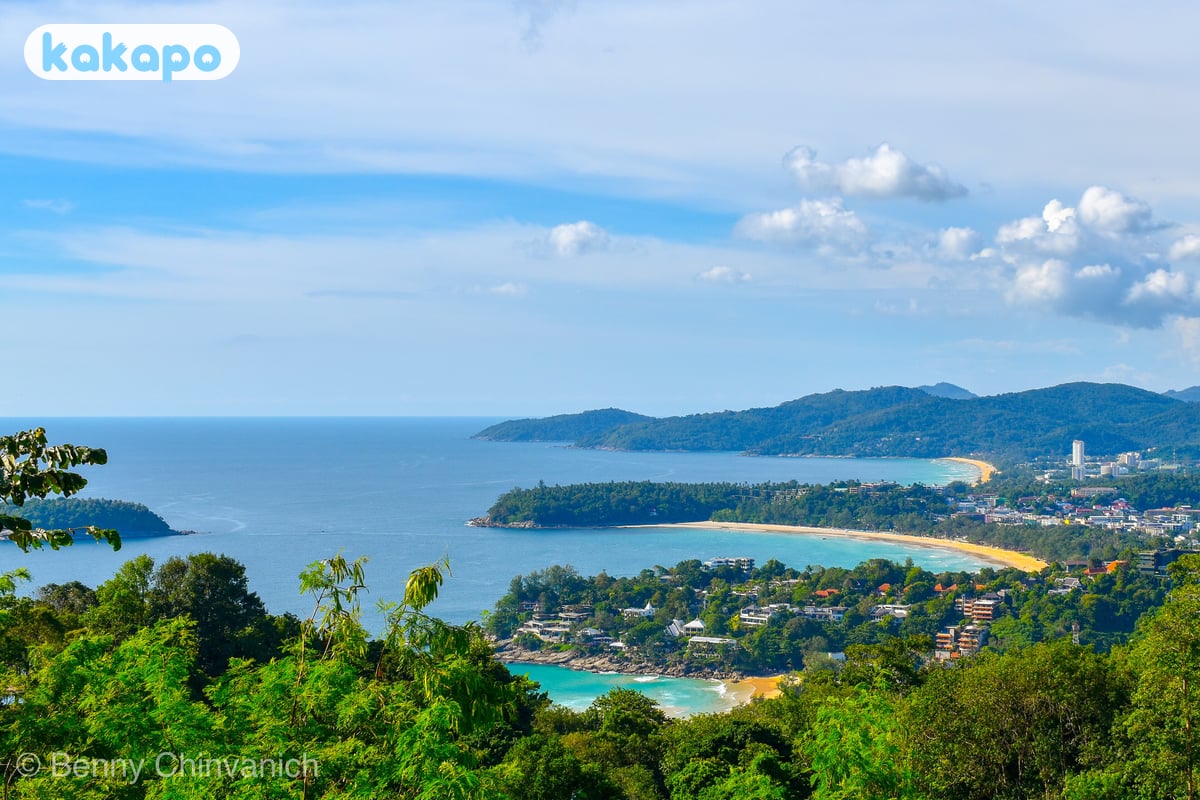
Scooter accidents put more foreign tourists in Phuket hospitals than any other cause. The classic pattern: confident driver, gravel road, summer rain, single-vehicle slide.
- Helmet required by Thai law — police checkpoints fine the lack of one. Wear what the rental gives you.
- You need an International Driving Permit (IDP) if you don't have a Thai licence. Without IDP, your travel insurance is void if you crash.
- "Phuket tattoo": the burn from the hot exhaust pipe. Wear long pants when riding.
- Patong-Kamala-Surin roads: steep hills with switchbacks. Heavy traffic. Tourist-on-scooter accidents on the Patong Hill stretch are a daily occurrence.
- Don't ride drunk. Thai BAC limit 0.05% (0.02% for new licences). Police checkpoints common.
- Insurance fine print: standard travel-policy "scooter cover" often excludes engines >50cc. Check before you ride.
The Patong jet-ski scam
The "jet-ski scam" in Patong is a long-running pattern that has been the subject of multiple international travel-advisory warnings. The pattern:
- Renter takes a jet-ski from one of the beach operators in Patong / Kata / Karon. Returns it at the agreed time.
- Operator points to "damage" on the boat — scratches, cracked panels — that almost certainly pre-existed.
- Demands payment: typically THB 30,000-100,000 (~$1,000-3,000) "for repairs."
- Tourist refuses → things get tense; passport and credit card may be held; "tourist police" who appear are sometimes part of the scam.
- How to defend: don't rent jet-skis in Patong. If you absolutely must, video-record the boat from every angle BEFORE you ride, time-stamped on your phone. Negotiate price + insurance in writing.
- Better alternative: do a snorkel boat tour with an established operator instead. Same beach experience without the rental risk.
Monsoon swimming and rip currents
- Monsoon season: May-October. Rip currents along Patong, Kata, Karon beaches are powerful enough to drown adult swimmers in minutes.
- Red flags = no swimming. Lifeguards in season; outside season the beaches are essentially unguarded.
- Monthly drowning fatalities during monsoon: typically 2-5 visitor deaths per peak month.
- Don't ignore the flags. "I'm a strong swimmer" doesn't matter against a rip.
- Best swimming season: November-April (dry, calm, lifeguarded).
Areas — pick the right beach for what you want
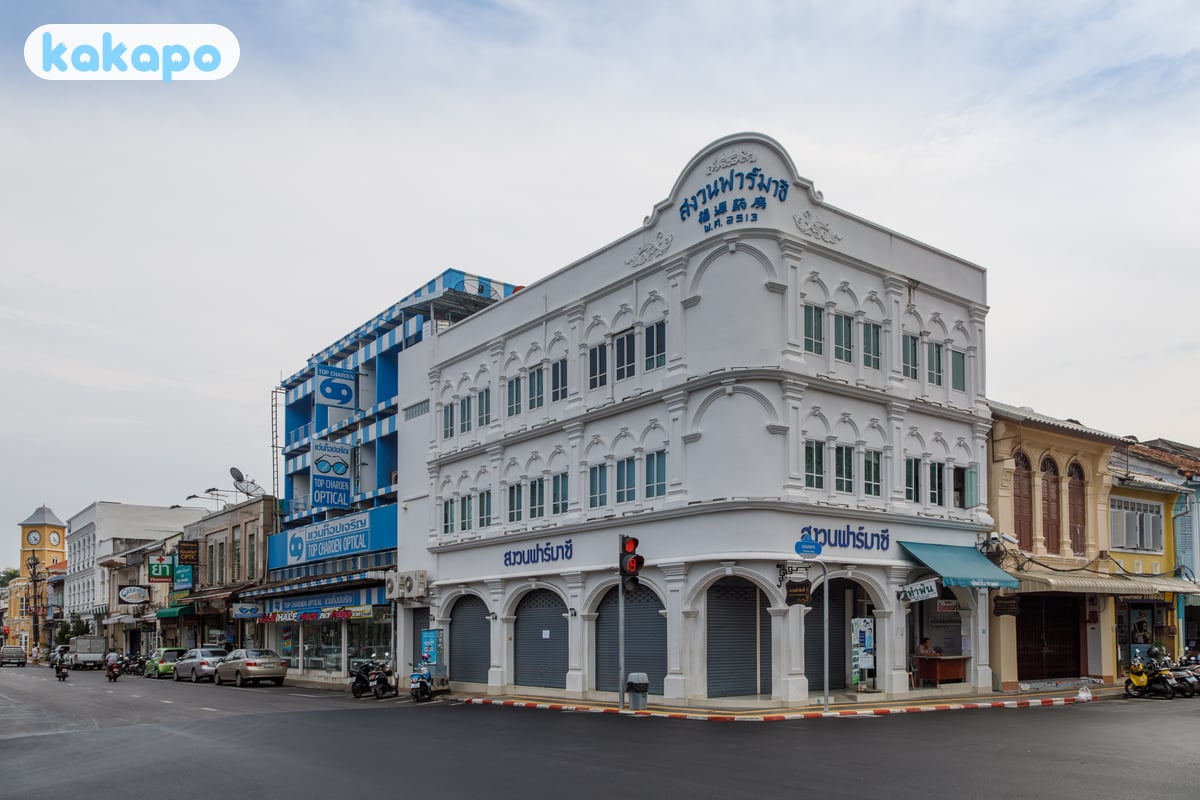
Patong: loudest, most "Phuket reputation" — Bangla Road nightlife, mass tourism, scams concentrated. Hotels here = party-trip.
Kata / Karon: family-friendly beach resorts. Calmer. Most people prefer these for a normal beach holiday.
Surin / Bang Tao / Layan: upscale resort strip on the western coast. Quieter, expensive.
Rawai / Nai Harn: south end. Local Thai vibe; smaller resorts.
Phuket Town (Old Town): quiet historic centre, Sino-Portuguese architecture, food scene. Calm.
Day trips: Phang Nga Bay (James Bond Island, sea kayaking through limestone karsts), Phi Phi Islands (snorkel/swim, very busy, Maya Bay reopening rules apply).
Tuk-tuks, taxis, the airport
- Tuk-tuks in Phuket are notoriously overpriced (THB 200-500 for short hops that should be 50-100). Negotiate before getting in.
- Bolt and Grab: both work in Phuket. Cheaper than tuk-tuks; no haggling.
- Songthaew (red shared truck): between Phuket Town and the major beaches. Cheap (THB 30-50) but slow.
- Phuket Airport (HKT) to Patong/Kata: ~45 min, ~THB 600-800 by Bolt. Avoid the airport-taxi rank scams.
Neighbourhood-by-neighbourhood breakdown
- Patong — west coast, the main nightlife and tourist beach. Bangla Road bar street is the chaos centre — bar girls, ping-pong shows, jet-ski touts, snake-charmer photo scams. The beach is family-OK by day, the street is family-not OK at night. Pickpockets, drink-spiking, fight incidents.
- Karon Beach — 8 km south of Patong, family-friendly, calmer, good resort hotels. Very safe.
- Kata Beach — south of Karon, calmer still, surfing in monsoon, smaller-scale resort. Very safe.
- Kata Noi — adjacent to Kata, secluded cove, expensive resorts. Very safe.
- Phuket Town (Old Town) — historic Sino-Portuguese centre, Thalang Road, the Big Buddha views, the Sunday Walking Street, weekend market. Calm, very safe, the cultural-and-coffee base.
- Cape Panwa / Ao Yon — south-east, quieter, residential, the Phuket Aquarium. Very safe.
- Surin / Bang Tao (north-west) — upmarket beach district, the JW Marriott and Aleenta resorts, the Laguna Phuket complex, beach-club culture (Catch, Xana, Café del Mar). Polished, safe, expensive.
- Mai Khao (north) — long quiet beach near the airport, Marriott and Anantara. Calm, safe.
- Naiharn (south) — secluded south-end beach, expat-favoured, calm. Very safe.
- Around the Phuket International Airport (HKT) — north of the island. Functional; allow 60-90 min to Patong by Grab or taxi.
If it's your first time visiting
- Best arrival airport: Phuket International (HKT), 30 km north. To Patong: Grab car THB 600-800 in 60-90 min, official airport limousine THB 800-1,000, shared minivan THB 200 per person, taxi metered THB 600-800.
- Public transport: songthaews (shared trucks) run a few major routes (Patong-Phuket Town) for THB 30-40. Grab is the practical default for everywhere else. Scooter rentals THB 200-300/day — only with proper experience; Phuket scooter crashes are the leading tourist injury.
- Best neighbourhood for your first night: Karon or Kata for family-friendly resort calm, Patong if you want nightlife (and you've accepted what that means), Phuket Town for the culture-and-coffee base. Avoid first-time beachfront bookings in Bangla Road blocks.
- Day 1, jet-lag friendly: drop bags, swim at your beach (not Patong's Bangla-end), pad Thai or som tum lunch at a beach-road restaurant (THB 100-200), late afternoon Big Buddha or Wat Chalong, sunset at Promthep Cape (the south-end viewpoint), dinner at Phuket Town's Soi Romanee restaurants or your hotel.
- Day trips by boat: Phi Phi Islands (full day, THB 1,200-2,500 by speedboat or ferry), Phang Nga Bay and James Bond Island (THB 1,500-3,000 by long-tail or speedboat), Coral Island for snorkelling (half-day, THB 800-1,500), Similan Islands (full day or overnight, Nov-Apr only, THB 2,500-4,000).
- Common rookie mistakes: renting a jet-ski at Patong (the "damage" scam where operators claim THB 30,000-100,000 in alleged damage at return — has been documented for 20+ years and persists); renting a scooter without proper experience (Phuket roads have hills, monsoon rain, and the highest tourist crash rate in Thailand); accepting drinks from Bangla Road bar girls (drink-spiking and inflated bills); swimming during monsoon red-flag warnings (drownings happen every year May-Oct on the west-coast beaches); paying tuk-tuk drivers tourist-rate without knowing Grab is THB 50-100 for the same trip.
- For Patong nightlife: if you're going, go with a group, leave the valuables at the hotel, only carry the cash you'll spend, supervise drinks, Grab back to the hotel.
- Monsoon (May-October): the west coast (Patong, Karon, Kata, Surin) gets pounded by surf. Red flag = no swim. Take it seriously.
- Tap water is not safe. Bottled is universal and cheap.
Practical info — emergency numbers
- Tourist Police (English-speaking, 24h): 1155.
- Ambulance: 1669.
- Bangkok Hospital Phuket: +66 76 254 425. International-standard.
- Phuket International Hospital: +66 76 249 400.
Bring: an IDP if you'll ride a scooter, reef-safe sunscreen, mosquito repellent, oral rehydration salts, an unlocked phone (AIS, dtac, TrueMove prepaid SIMs at the airport), and travel insurance with explicit watersports cover.
Frequently asked questions
Is Phuket safe to visit in 2026?
Phuket scores 72/100 here. UK FCDO and US State Department maintain Thailand at low-to-moderate advisory levels. The realistic risks are environmental and economic rather than violent: monsoon rip currents on the west-coast beaches from May to October cause most foreign deaths on the island, the jet-ski-damage shakedown on Patong and Karon is the same scam pattern as Pattaya, tuk-tuk and minibus drivers operate a price-fixing cartel that ignores meters, and motorbike accidents (often involving uninsured rental scooters) are the dominant injury cause. Pick the right base, swim only when lifeguards have the green flag up, decline jet-skis, and Phuket is fine.
Patong vs Karon vs Phuket Old Town — where should I stay?
Patong is the loud one: Bangla Road's bars, ping-pong shows, soapy massages and the bulk of the jet-ski and tuk-tuk friction. Convenient, never boring, and the most aggressive sales-touting. Karon and Kata sit immediately south — same west-coast beaches, gentler atmosphere, family-friendly, much quieter at night. Phuket Old Town (Phuket City) on the east side is the cultural alternative: Sino-Portuguese shophouses, Thai-Hokkien food, no beach, very safe, and a 30-minute taxi to the west coast. For a first trip with children or a couple wanting calm: Karon or Old Town. For nightlife: Patong. Surin and Bang Tao north of Patong are the upmarket resort strips.
What's the biggest scam in Phuket?
Two scams that almost everyone meets. First — the jet-ski damage shakedown: rent a jet-ski on Patong or Karon beach, return it, operator finds scratches he claims you caused, demands 20,000-100,000 baht. There is a Thai government insurance scheme that's poorly enforced; the realistic fix is don't rent jet-skis on Phuket beaches. Second — the tuk-tuk / minibus price cartel: Phuket has no metered street taxis like Bangkok, so red tuk-tuks quote 500-800 baht for short hops that should be 100-150. Use Bolt or Grab (both work on Phuket), agree the price before getting in, or take the local songthaew (blue buses) along the beach road for 30 baht.
Is it safe to swim in Phuket?
Only when the lifeguards have the green flag up. The west-coast beaches (Patong, Karon, Kata, Surin, Kamala, Nai Harn) face the Andaman Sea and develop powerful rip currents during the southwest monsoon — roughly May to October. Red flags are not advisories; they are 'do not enter the water' notices and ignoring them is the single biggest cause of foreign deaths on the island. The east coast (Rawai, Chalong, Ao Po) is calmer year-round but the swimming is worse. November to April is the safe-swimming season with calm water and good visibility. If a rip current pulls you out, swim parallel to shore, not against it.
Can you drink tap water and how risky is a rental scooter?
Tap water — no. Treat Phuket like the rest of Thailand: bottled or refill-station only, but ice in established venues is factory-made and safe. Scooters — they are the dominant injury source on Phuket. Roads are mountainous and wet in monsoon; rental shops routinely sell you a bike with no real insurance, your travel insurer almost certainly excludes scooter accidents without a valid Thai or international motorcycle licence (a car licence is not enough), and many shops hold your passport against 'damage'. If you ride: wear a helmet (required, fined if not), don't hand over the passport (offer a cash deposit instead), photograph every existing scratch before riding, and accept that Bangkok Hospital Phuket bills for serious accidents run into many thousands of US dollars.
Sources
Run a business in Phuket?
Show visitors your Phuket business is a safe choice. The free Verified by Kakapo badge puts Phuket's live safety score on your website, links back to your verified page, and updates itself. No cost.
Get the free badge →