


Is Mombasa, Kenya Safe? A 2026 Travel Safety Guide
The Kenya coast safety gradient, Diani Beach, the Somalia advisory border, malaria, conservative Old Town dress, and the realistic risks of Kenya's biggest coastal city.

Mombasa is Kenya's biggest coastal city + Swahili-coast tourism hub. Crime against visitors in the resort corridor (Nyali, Bamburi, Shanzu, Diani Beach south) is moderate — beach-resort enclaves are well-policed. Mombasa Old Town has higher property-crime rates.
Kenya sits at Level 2 on the US State Department's advisory list with Level 4 carve-outs for the Kenya-Somalia border + Tana River-Lamu corridor. Mombasa is firmly south of those zones. UK FCDO is similar.
The honest framing: Mombasa is large (~1.2 million city, 3 million metro). The Old Town (UNESCO Swahili-Arab quarter), Fort Jesus, the resort corridor north (Nyali, Bamburi, Shanzu), and Diani Beach (40 min south by ferry + road) are the visitor anchors. The city's geography is the first thing that catches visitors out — Mombasa proper is an island connected to the mainland by the Nyali Bridge (north), the Makupa causeway (west), and the Likoni Ferry (south). The ferry crossing is the most-photographed visitor experience and the most-pickpocketed transit point in the country; the SGR train terminus is at Miritini on the mainland, not on the island, so allow 30-40 minutes by Bolt to get from a Nyali hotel to your morning Madaraka Express departure.
In 2026, the Mombasa-Nairobi SGR (Madaraka Express) is the practical transit story: economy is KES 1,000, first class KES 3,000, the trip takes about 4.5 hours through Tsavo, and bookings sell out a week ahead in school holidays — use the official Kenya Railways app or the booking office at Miritini. The Likoni floating bridge proposal has not opened — the free Likoni Ferry is still the only south-coast crossing for foot passengers, and remains chaotic at 06:30-08:30 and 17:00-19:00. Matatu fares around town are KES 50-100 within Mombasa Island, KES 150-300 north to Bamburi; agree the fare before boarding because tourist-rate creep is real. Beach-boy intensity on Diani has actually eased since the county council's 2024 licensing crackdown, but the Galu and Tiwi stretches south of the main resort strip remain unstaffed and where most petty theft happens.
| Night safety | 50/100 |
|---|---|
| Scam / petty-crime risk | High |
| Violent crime (tourists) | Medium |
| Most common scams | pickpocketing at the Likoni Ferry; tourist-rate creep with matatus; persistent beach boys at Diani |
| Safer neighbourhoods | Nyali, Bamburi, Shanzu |
| Data sources cited | 4 |
| Last verified |
What the score means — 72/100
- Air quality (80) — clean coastal.
- Personal safety (64) — moderate. Resort corridor safer; Old Town + central Mombasa property crime.
- Healthcare (70) — Aga Khan Hospital Mombasa + Mombasa Hospital tourist-grade.
- Transport (68) — chaotic; Bolt + tuk-tuks + Likoni Ferry.
The Somalia border carve-outs
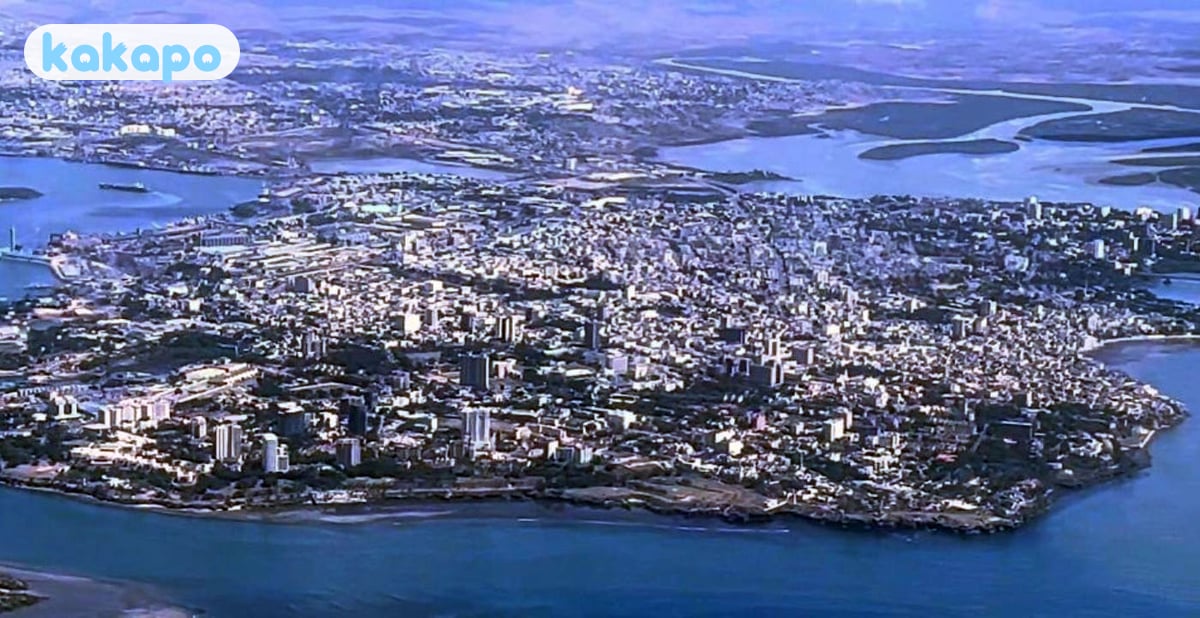
- Level 4 advisory: applies to Kenya-Somalia border, Lamu County (excluding Lamu Island town centre + Manda Island, which are at Level 3), Tana River County north of Tana River, and Garissa.
- Mombasa: well south of these zones. Not directly affected.
- Don't go casually: north coast beyond Watamu, Lamu without organised tour and current advisory clearance.
- Bombings: rare but documented historical (Likoni Ferry 1998, Westgate Mall in Nairobi 2013, Garissa 2015). Vigilance at major transit hubs is reasonable; not an everyday concern.
Areas — Old Town, Nyali, Bamburi, Shanzu, Diani
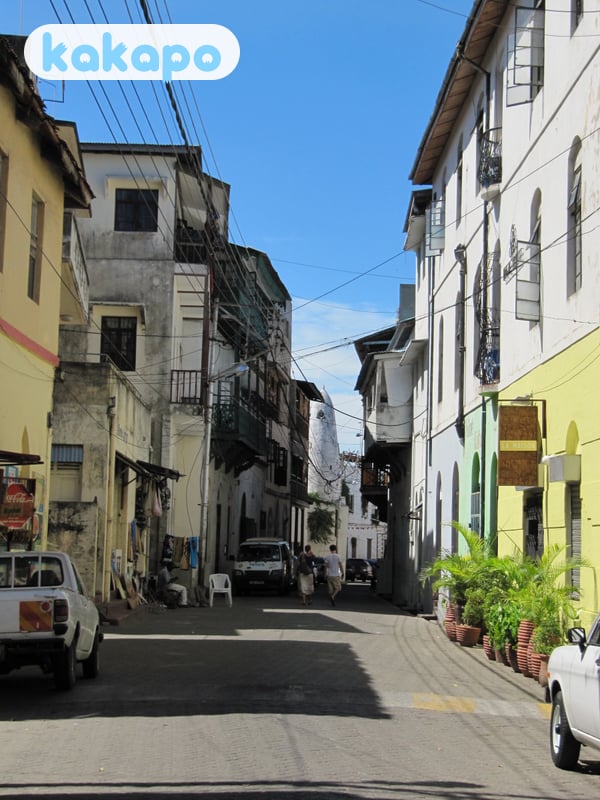
Recommended for visitors: Nyali + Bamburi + Shanzu (resort corridor north of Mombasa Island — beachfront hotels, Bamburi Beach), Diani Beach (40 min south via Likoni Ferry + road; the headline beach destination), Old Town (UNESCO Swahili-Arab quarter — daytime fine; evening with awareness), Fort Jesus.
Stay aware: central Mombasa Island at night, around the bus station, some Mombasa-mainland districts. The Likoni Ferry crossing area at peak rush hour can be chaotic.
Diani Beach — the headline destination
- Diani Beach: 25 km of white-sand south-coast beach. Reef-protected, calm.
- Reaching it: Likoni Ferry (chaotic but free) + 40 min road. Or Ukunda Airstrip (small flights from Nairobi).
- Resorts: Diani Reef, Leopard Beach, Almanara are upscale; many mid-range options.
- Safari + beach combos: standard 7-10 day Kenya trip combines Maasai Mara + Diani.
- Beach boys (touts): persistent at Diani; polite firm "no" walking on.
Malaria + health
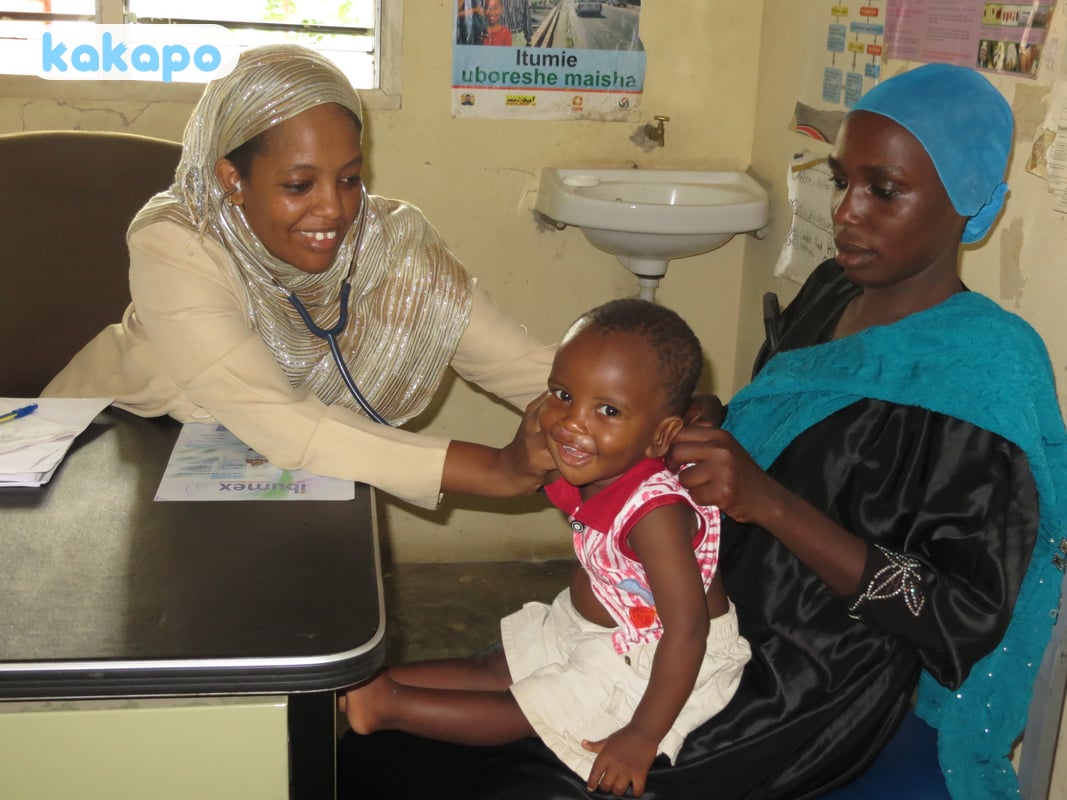
- Malaria: present year-round in Mombasa + Diani (lower altitude than highland Kenya).
- Antimalarial prophylaxis: recommended.
- Yellow fever vaccination: required for entry. Bring yellow card.
- Bug spray: DEET 25-50%.
- Tap water: not safe.
Old Town dress + conduct
- Mombasa Old Town: predominantly Muslim; conservative dress expected.
- Modest dress: covered shoulders + knees; women may want headscarves at active mosques.
- Photography: ask before photographing locals.
- Ramadan: don't eat/drink/smoke in public during daylight in Old Town.
- Same-sex relationships: illegal in Kenya. LGBT visitors should be discreet.
Transport — Likoni Ferry, Bolt, the airport
- Likoni Ferry: free passenger ferry across Mombasa harbour. Pedestrian + vehicle. Chaotic; pickpocketing in dense crowds; rush hours dense.
- Bolt + Uber: both work in Mombasa. The default tourist option.
- Tuk-tuks: agree price first.
- Don't take matatus with luggage.
- Moi International Airport (MBA): 12 km west. Pre-booked transfer KES 1,500-2,500. Bolt cheaper.
- SGR train (Madaraka Express): Mombasa to Nairobi 5h, KES 1,000-3,000.
Money, food, the cost story
- Currency: Kenyan shilling (KES). $1 ≈ KES 130.
- M-Pesa: standard mobile money.
- Cards: at hotels + restaurants; cash for tuk-tuks + markets.
- Tipping: 10%; safari guides $10-20/day.
- Tap water: not safe.
- Local food: Swahili biryani, samosas, mahamri, coconut + fish curries.
Neighbourhood-by-neighbourhood breakdown
- Mombasa Old Town — the UNESCO-tentative Swahili-Arab quarter east of Digo Road, with carved doors, mosques, and the spice lanes near Government Square. Daytime is safe and walkable; the alleyways empty out fast after Maghrib prayer and tourists shouldn't be wandering by 21:00. Modest dress (covered shoulders and knees) is expected; during Ramadan don't eat, drink or smoke on the street between sunrise and iftar.
- Fort Jesus + Mama Ngina Drive — the 16th-century Portuguese fort is the city's signature site (entry KES 1,200 for non-residents). Mama Ngina Drive immediately south is the local sunset stroll with cassava and madafu sellers; busy and safe until ~21:00, quieter and best avoided later.
- Nyali — the main north-coast residential and resort area across the Nyali Bridge. Voyager Beach Resort, Sarova Whitesands and Reef Hotel are here. Western-priced supermarkets at Nyali Centre and City Mall. Comfortable any hour inside compounds; Bolt for any movement after dark.
- Bamburi — north of Nyali, home to Bamburi Beach, Haller Park (the rehabilitated quarry-turned-nature-reserve) and the cement factory that gave the area its name. Mid-range hotels and the public beach where Mombasa families come at weekends. Beach boys are present but less aggressive than Diani.
- Shanzu + Mtwapa — the far-north resort strip running into Kilifi County. Serena Beach Resort, the upmarket option. Mtwapa Creek nightlife is locally famous and a known sex-tourism cluster — most resort-based visitors skip it.
- Diani Beach (south coast, via Likoni) — 40-60 minutes from the island depending on ferry queues. The headline 25 km white-sand beach, the Kenya safari-and-beach circuit's final stop. The main strip from Diani Reef south to Almanara is well-staffed; the Galu and Tiwi extensions south are quieter and less patrolled.
- Likoni Ferry crossing — the free passenger-and-vehicle ferry between Mombasa Island and the south coast. Walking-on is free, vehicles pay KES 110 each way. Peak rush hours (06:30-08:30, 17:00-19:00) are dense, hot and the country's worst pickpocketing spot — keep your phone deep, bag in front, and don't film the boarding crowd. The 2019 tragedy when a car rolled off into the channel has not been repeated since safety upgrades but visitors should still take the upper passenger deck rather than the vehicle deck.
- Matatus and tuk-tuks — matatu fares are KES 50-100 around Mombasa Island, KES 150-300 north to Bamburi or south to Likoni. Agree the fare with the conductor before boarding. Tuk-tuks (KES 200-500 for short hops) and boda bodas (motorbikes, KES 100-300) are everywhere; for tourists Bolt is safer and not much more expensive than a tuk-tuk for the same trip.
- SGR Madaraka Express to Nairobi — departures from Mombasa Terminus at Miritini (mainland, 30-40 minutes from Nyali by Bolt). Economy KES 1,000, first class KES 3,000, about 4.5 hours through Tsavo. Book through the Kenya Railways app or the office; school-holiday departures sell out a week ahead.
If it's your first time visiting
- Best arrival: Moi International (MBA) is 12 km west of the island. A pre-booked hotel transfer is KES 2,500-3,500; Bolt from the airport runs KES 1,200-2,000 to a Nyali hotel. Do not accept "taxi" approaches outside the terminal — agree the price first and confirm the driver is the one you booked. SGR arrivals come into Miritini, also mainland.
- Best neighbourhood for your first night: Nyali (Voyager, Sarova Whitesands) for an easy hotel-pool first night with quick access into the Old Town. Diani Beach if you want the headline-beach experience from the start — but budget 90 minutes from MBA via ferry. Avoid first-night bookings in central Mombasa Island or near the bus station.
- Day 1 jet-lag friendly: Fort Jesus at opening (08:30) to beat the heat, walk the Old Town spice lanes for an hour, lunch at Tamarind on the harbour or Forodhani, then back to the hotel for the afternoon. Don't try to do Diani on arrival day — the ferry adds an unpredictable hour each way.
- Common rookie mistakes: changing money at the airport (rates are 8-10% worse than Forex bureaus on Moi Avenue or Nakumatt Likoni); taking a matatu with a wheeled suitcase (you'll be charged for two seats and resented); walking the Likoni Ferry crossing with a backpack on your back (turn it to your front); not pre-booking SGR (turning up same-day in school holidays is a wasted morning); drinking unsealed bottled water (check the seal); accepting "free" beach-boy tours that end with safari-booking pressure.
- Currency and M-Pesa: Kenyan shilling (KES); USD 1 ≈ KES 130 in 2026. M-Pesa is universal — even tuk-tuk drivers prefer it — and Safaricom tourist SIMs (KES 1,000 with 25 GB data) let visitors pay this way too. Cards work at hotels and supermarkets; carry KES 5,000-10,000 in small notes for tuk-tuks, ferry, and markets.
- Yellow fever card is mandatory at entry from anywhere in Africa or South America — bring the paper certificate, not a photo. Antimalarials (Malarone or doxycycline) are recommended year-round on the coast; start before arrival.
- Old Town dress: covered shoulders and knees, light cotton, no shorts above the knee for either gender. Active mosques (Mandhry Mosque) ask for headscarves on women visitors.
- Diani logistics: budget 2-3 hours total from a Nyali hotel to your Diani resort via Likoni Ferry. The new Dongo Kundu bypass is faster for cars but doesn't replace the ferry for foot-passenger and tuk-tuk traffic. Ukunda Airstrip (Diani direct from Nairobi via Safarilink or JamboJet) skips Mombasa entirely.
- Tipping: 10% at restaurants where service isn't included, KES 100-200 per bag for porters, USD 10-20/day per couple for safari guides, KES 200 for the dhow crew on a Tamarind sunset cruise.
Practical info — emergency numbers
- Emergency: 999 or 112.
- Tourist Police: at major hotels.
- Aga Khan Hospital Mombasa: +254 41 222 6953.
- Mombasa Hospital: +254 41 231 2191.
Bring: yellow fever card, antimalarial prophylaxis, DEET bug spray, modest clothing for Old Town, reef-safe sunscreen for Diani, a Kenyan SIM (Safaricom, Airtel) at the airport, and travel insurance with medical-evacuation cover.
Frequently asked questions
Is Mombasa safe to visit in 2026?
Yes, in the resort corridor — and that's the important distinction. US State Department lists Kenya at Level 2 (exercise increased caution, citing crime, terrorism, and kidnapping) with Level 4 carve-outs for the Kenya-Somalia border, Lamu County, and Tana River County — Mombasa is well south of those zones. UK FCDO is similar. Inside the resort enclaves (Nyali, Bamburi, Shanzu north of the island, Diani Beach south), the day-to-day risk is moderate and well-policed. Mombasa Old Town and central Mombasa Island have higher property-crime rates and warrant more awareness.
Is Mombasa safe at night?
Inside resort compounds and Diani Beach hotels — yes. Walking outside them after dark is not advised, including along the beach road. Old Town empties out and feels rougher after dark; visit Fort Jesus and the Swahili lanes by day. The area around the bus station and the Mombasa Island central CBD is unsafe at night. Always use Bolt or Uber for the few rides you need; pre-book your airport transfer for night arrivals. Beach-boy and tout aggression on Diani is higher in the evenings — most resorts have private beach security.
Is Mombasa safe for solo female travellers?
Manageable in the resort corridor with Uber/Bolt discipline. The Diani Beach hotels are essentially Western-standard and a popular solo destination on the safari-and-beach circuit. In Old Town, modest dress (covered shoulders and knees, headscarves for active mosque visits) is important — the area is predominantly Muslim and conservative. Beach-boy approaches at Diani are persistent but rarely threatening; firm 'hapana, asante' (no, thank you) and walking on works. Don't walk between resorts at night. Drink-spiking has been reported in some Diani bars — watch your drink in mixed-crowd venues.
Can you drink tap water in Mombasa?
No — stick firmly to bottled. Coastal water supply is treated but not for visitor consumption, and salinity issues affect the taste. Bottled water is provided in resorts and is cheap (50-100 KES for 1.5L). Avoid ice in non-tourist-grade venues, raw vegetables outside reputable restaurants, and street fresh juice. Diani resorts provide bottled water for drinking and brushing teeth.
What's the biggest scam to avoid in Mombasa?
Diani Beach 'beach boy' touts pushing safaris, dhow trips, and 'special tours' at 3-5x fair price — book through your resort or established operators (Diani Beach Tours, East African Safaris) instead. Other recurring patterns: unmetered tuk-tuks inflating tourist fares (agree price upfront, expect 200-500 KES for short hops); ATM skimming at street machines on Moi Avenue (use bank-branch ATMs); Likoni Ferry pickpocketing during peak rush hours in dense crowds; and unlicensed dhow operators offering 'sunset cruises' from Mombasa Old Town harbour with poorly-maintained boats. Stick to Tourism-Board-registered operators for water activities.
Do I need antimalarials for Mombasa?
Yes — unlike Nairobi, Mombasa and Diani are at sea level and malaria is present year-round on the Kenyan coast. Atovaquone-proguanil (Malarone) or doxycycline are the standard prophylaxis, prescribed by a travel clinic before departure. Yellow fever vaccination is a Kenya entry requirement — bring the yellow card. Pack DEET 25-50% bug spray for evenings on Diani; long-sleeve clothing after sunset; resort rooms have nets and screens. Avoid stagnant water and dense vegetation at dusk and dawn when mosquitoes are most active. Your travel insurance must include medical evacuation given the remoteness of the wider coastal area.
Sources
Run a business in Mombasa?
Show visitors your Mombasa business is a safe choice. The free Verified by Kakapo badge puts Mombasa's live safety score on your website, links back to your verified page, and updates itself. No cost.
Get the free badge →