


Is Galway, Ireland Safe? A 2026 Travel Safety Guide
Atlantic weather, the Cliffs of Moher cliff-edge safety, the Latin Quarter pub crawls, festival peaks, and the realistic risks of Ireland's western capital.

Galway is one of the safer European tourist cities. Crime against visitors is rare. The realistic concerns are the genuinely changeable Atlantic weather (Galway gets significant wind and rain — "Atlantic squalls" are real), the cliff-edge safety on the Cliffs of Moher day trip (people fall every year), the standard pub-crawl drinks-and-night-walks awareness in the Latin Quarter, and festival logistics during the Galway International Arts Festival, the Galway Film Fleadh, and the Galway Races.
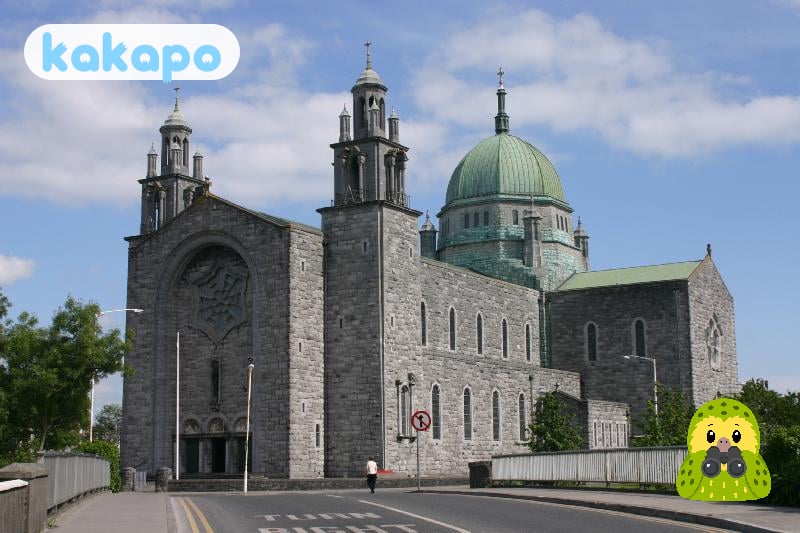
Ireland sits at Level 1 on the US State Department's advisory list. UK FCDO is the same. The honest framing for first-time visitors: Galway is small (~85,000 in city), built around the Corrib river meeting the Atlantic. The Latin Quarter (Quay Street + High Street + Shop Street pedestrianised area), the Galway Cathedral, the Spanish Arch, the Eyre Square, and the Cliffs of Moher / Aran Islands / Connemara day trips are the visitor anchors.
The character that catches most first-time visitors off-guard isn't weather or crime — it's the sheer density of live music. The Latin Quarter has a trad session running in at least three pubs at any hour from 21:00 onward (Tig Coili and The Crane Bar most reliably); buskers on Shop Street outnumber souvenir shops; and the GAA football and hurling culture turns Eyre Square into a maroon-and-white street party on All-Ireland weekends. Galway is also the gateway to the Gaeltacht — the surrounding Connemara is one of Ireland's strongest Irish-language regions, and road signs west of Spiddal switch to Irish-only.
In 2026 the practical changes since pre-pandemic: BusConnects Galway has rolled out new high-frequency cross-city routes and a flat €2 fare with TFI Leap Card; the GAA Pearse Stadium upgrade is complete; the Salthill promenade has new wave-protection walls after the 2024 Storm Isha damage; and the Cliffs of Moher visitor centre now requires pre-booked timed tickets in July-August (book at cliffsofmoher.ie).
| Night safety | 83/100 |
|---|---|
| Scam / petty-crime risk | Medium |
| Violent crime (tourists) | Low |
| Most common scams | drink-spiking in pubs; pickpockets during festivals; cliff-edge safety at the Cliffs of Moher |
| Safer neighbourhoods | Latin Quarter, West End, Eyre Square |
| Data sources cited | 4 |
| Last verified |
What the score means — 85/100
- Personal safety (92) — exceptional. Crime against tourists is rare.
- Air quality (90) — clean Atlantic.
- Healthcare (86) — University Hospital Galway is the major facility.
- Transport (84) — buses + walking; rental car for serious day trips.
Atlantic weather — wind, rain, four-seasons-in-a-day
- Galway weather pattern: changeable. Sunshine, rain, hail, sunshine again — within an hour.
- Wind: significant year-round. Atlantic squalls in autumn-winter can produce 80-100 km/h gusts.
- Rainfall: ~170 rainy days/year.
- What to bring: a serious waterproof jacket, layers, sturdy waterproof shoes, hat for windy days.
- Best summer: June-August. 14-20°C. Days long.
- Storms: Met Éireann issues weather warnings (yellow/orange/red). Heed.
Cliffs of Moher — the cliff-edge safety question
- Cliffs of Moher: 90 min south of Galway. 214 m sea cliffs. Iconic. Dangerous.
- Visitor centre area: railed, paved paths. Generally safe.
- Beyond the railed area: people walk along unrailed grass-edge paths for "better photos". Several deaths/year, mostly tourists. Sudden gusts blow people off-balance.
- Don't go beyond the safety barriers. The grass right at the edge is often loose/undercut.
- Wind on cliff-tops: can change direction suddenly; never sit on the edge.
- Coach tours: Galway Tour Co, Lally Tours, Wild Rover. ~€55-70 day trip.
- Self-drive: 90 min via N67. Parking €8.
- O'Brien's Tower at the top: small extra fee; the busy viewpoint.
- The Burren: limestone-pavement landscape; combines well with the Cliffs.
Latin Quarter — pubs and pub crawls
- The Latin Quarter: Quay Street + High Street + Shop Street pedestrianised area. Pubs, restaurants, buskers.
- Pub culture: live trad music in many (Tig Coili, The Crane Bar, Tigh Neachtain). Walk-in usually fine.
- Drink-spiking: rare but reported. Watch your drink.
- Walking back to your hotel at 2am: generally safe; the centre is small.
- Stag/Hen weekends: regular. Sometimes loud, rarely problematic for other tourists.
Festivals — Arts, Races, Film Fleadh
- Galway International Arts Festival: 2 weeks in mid-late July. Hotels +50-100% prices.
- Galway Races: late July - early August. Massive horse-racing festival. The whole city books out.
- Galway Film Fleadh: early-mid July.
- Christmas market: late Nov - 23 Dec.
- Crowds during festivals: pickpockets elevated; book accommodation 6+ months out.
Day trips — Aran Islands, Connemara

- Aran Islands (Inis Mór, Inis Meáin, Inis Oírr): ferry from Rossaveel (45 min west of Galway). Inis Mór is the largest with Dún Aonghasa (cliff fort) — same cliff-safety as the Cliffs of Moher, no railings.
- Connemara: the rugged west region. Kylemore Abbey, Sky Road. Day-tour or self-drive.
- Driving in the west: roads are narrow with stone walls; rural Irish driving is fine but small B-roads can intimidate. Drive on the left.
Transport, the airport
- Buses (Bus Éireann): extensive regional. Citylink and GoBus operate to Dublin, Limerick.
- Trains: Galway-Dublin 2.5h, ~€15-30.
- Closest airport: Shannon (SNN), 90 min south. Knock (NOC), 90 min north-east. Dublin (DUB), 2.5h east.
- Walking: Galway centre is fully walkable.
Money, food, the cost story
- Currency: Euro (€).
- Cards: universal.
- Tipping: 10-15%.
- Cost: hotels €130-280/night; festival peaks higher.
- Tap water: safe.
- Local food: oysters (Galway Oyster Festival, September), seafood chowder, Guinness, smoked salmon.
Neighbourhood-by-neighbourhood breakdown

- Latin Quarter — Quay Street, High Street, Shop Street and Cross Street; the pedestrianised medieval core, the buskers, the Spanish Arch on the river, the King's Head and Tigh Neachtain pubs. Tig Coili runs the most consistent trad session in town (21:30 most nights). Walk-in dining is the default; King's Head, Aniar (Michelin), Kai and McDonagh's fish and chips are the headline names.
- West End — across the Corrib river via the O'Brien Bridge; Galway's "Williamsburg" — Monroe's Tavern (trad and set-dancing), The Crane Bar (trad), Cava Bodega tapas, residential streets with brightly painted doors. Walkable from the Latin Quarter in 5 minutes.
- Eyre Square — the central plaza opposite the train and coach station; rallies, festivals, the Christmas market. The Hotel Meyrick, the Spanish Arch chain hotels and the bus links cluster here. Watch your phone in dense festival crowds.
- Salthill — the 3 km Atlantic promenade walk west of the centre; locals "kick the wall" at the end as tradition. Salthill Beach, the diving boards at Blackrock, the aquarium. Bus 401 from Eyre Square every 15 min, €2. Storm-surge closures December-February.
- University quarter (NUIG / University of Galway) — north-west of the centre; the campus, the Quincentenary Bridge, the cricket-style green at Dangan. Student-pub belt — The Quays student annex, Massimo, Tribeton.
- The docks and Spanish Parade — between the Latin Quarter and the bay; redeveloped quayside, modern restaurants (Loam — Michelin), the seafood market, the Galway Hooker traditional sailboats.
- Connemara (day trips) — west and north-west of the city; Kylemore Abbey (90 min), the Sky Road at Clifden (2h), Killary Fjord (Ireland's only fjord), Inishbofin ferry from Cleggan. Day-tour from €55 with Galway Tour Co, Lally Tours or Wild Rover; self-drive 1.5-3h each way and roads narrow with stone walls.
- GAA football and hurling — Pearse Stadium in Salthill is the county ground; All-Ireland weekends turn the city maroon-and-white. Tickets via gaa.ie; the build-up bars are An Pucán and Tig Coili.
- Coach Station and Ceannt train station — both at Eyre Square; Bus Éireann, Citylink, GoBus operate to Dublin (2h30), Limerick (1h30), Cork (4h). Trains to Dublin Heuston 2h30, ~€15-30.
If it's your first time visiting
- Best arrival airport: Shannon (SNN) is 90 min south by Citylink coach (€18, every 2h) — most US east-coast direct flights land here. Dublin (DUB) is 2h30 east by Citylink or GoBus (€18-22, hourly, free Wi-Fi). Knock (NOC) is 1h30 north-east, useful for some UK/Spain routes.
- Public transport in city: BusConnects Galway has high-frequency routes; flat €2 fare with TFI Leap Card (buy at the station shop for €5 with €5 credit). Most of the centre is walkable in 15 minutes — you'll use the bus mainly for Salthill (401) and the university.
- Best neighbourhood for your first night: the Latin Quarter or just across the O'Brien Bridge in the West End for the trad-pub atmosphere, Eyre Square hotels if you're catching an early Cliffs of Moher coach, Salthill if you want sea views and a quieter base.
- Day 1, jet-lag friendly: Spanish Arch and the Long Walk along the Corrib, a seafood-chowder lunch at McDonagh's on Quay Street (€8-12), the Salthill prom walk (3 km, kick the wall), back via the Galway Cathedral. Finish with a Guinness at Tig Coili — the trad session starts 21:30 most nights.
- Common rookie mistakes: assuming Cliffs of Moher is a quick stop (90 min each way + 90 min minimum on site, plus the Burren if you've gone that far), walking the unrailed grass-edge paths beyond the safety barriers for "better photos" (several deaths a year), under-dressing for the Atlantic (170 rainy days a year, 80-100 km/h gales — bring a real waterproof, not a fashion shell), booking accommodation during the Arts Festival or Galway Races without realising prices triple, driving in the Latin Quarter (mostly pedestrianised — park at Dyke Road or Eyre Square multi-storey, €15/day).
- Currency and tipping: euro. Tipping 10-15% at restaurants, round up at pubs (pub bar service is not tipped — locals would find it odd). Pints €5.50-7 in pub interiors, €8-9 on Quay Street tourist outlets.
- Book Cliffs of Moher tours and Aran Islands ferries 1-2 weeks ahead in summer — Galway Tour Co, Lally Tours, Wild Rover (€55-70 day trip including coach + entry); Aran Islands via Aran Island Ferries from Rossaveel (45 min west of Galway — they run a shuttle bus from the city for €10).
- Heed Met Éireann warnings — yellow/orange/red weather warnings are issued for Atlantic squalls; orange and red mean stay off cliff paths and exposed coast. Storm names ("Storm Isha", "Storm Jocelyn") indicate real disruption.
Practical info — emergency numbers
- European emergency: 112 (or 999).
- An Garda Síochána (police): at Mill Street station.
- University Hospital Galway ER: 091 524 222.
Bring: a serious waterproof jacket, sturdy waterproof shoes, layered clothing, an unlocked phone (Vodafone IE, Three IE, Eir prepaid SIMs), a contactless card, and travel insurance.
Frequently asked questions
Is Galway safe to visit in 2026?
Yes. Galway scores 90/100 and is one of Europe's safer tourist cities. Ireland sits at Level 1 on the US State Department advisory (the lowest level) and UK FCDO is the same. Crime against visitors is rare. The realistic concerns are genuinely changeable Atlantic weather (170 rainy days a year, 80-100 km/h gales in autumn-winter), cliff-edge safety on the Cliffs of Moher day trip where people fall every year, standard pub-crawl drink awareness in the Latin Quarter, and festival peaks during the International Arts Festival, Film Fleadh and Galway Races.
Is Galway safe at night?
Yes — comfortably. The Latin Quarter (Quay Street, High Street, Shop Street) stays lively and well-lit until 2am with Gardaí visible. The compact centre is walkable end-to-end in 20 minutes. Solo walks back from trad-music pubs are routine. Stag and hen weekends bring volume but rarely real trouble. The night risks are weather-related (slippery cobbles in rain, exposed quayside walks in Atlantic gales) rather than crime-related.
Is Galway safe for solo female travellers?
Yes — exceptionally. Galway is among Europe's safer cities for solo women, with Ireland's general reputation for welcoming pub culture especially true here. Solo women routinely dine in restaurants, attend trad-music sessions and walk back to hotels late. Drink-spiking reports exist but are rare; standard awareness at the bar applies. The Cliffs of Moher day trip works fine as a solo coach excursion.
Can you drink tap water in Galway?
Yes — Irish tap water meets EU standards and is safe across Galway. The water is soft and pleasant. Restaurants serve it free on request. Some Galway homes use filters for taste rather than safety. Carry a refillable bottle. The Met Éireann boil-water notices occasionally affect outlying Connemara villages after storms — check at your accommodation if you're staying rural.
What's the biggest scam to avoid in Galway?
Honestly, Galway isn't scam-heavy. The recurring patterns are mild: tourist-trap pub pricing on Quay Street (€8-9 pints versus €5-6 a block off the main drag), aggressive 'spontaneous busker tip' demands from a few persistent street performers, and DCC at card terminals (always pay in EUR, never your home currency, adds 3-7%). Coach-tour 'Cliffs of Moher' operators vary widely in quality — book Galway Tour Company, Lally Tours or Wild Rover rather than unbranded street touts.
How dangerous are the Cliffs of Moher really?
Genuinely dangerous beyond the visitor-centre railed paths. The 214m sea cliffs are 90 minutes south of Galway and the centre has paved railed paths along most of the official visitor zone. Several deaths a year happen when people walk beyond the safety barriers onto the unrailed grass-edge paths for 'better photos.' The grass right at the edge is often loose or undercut, and sudden Atlantic gusts have blown people off-balance into thin air. Rules: stay inside the safety barriers, never sit on the edge, never pose backing toward the cliff, watch your children continuously. O'Brien's Tower is the safe headline view. The Aran Islands' Dún Aonghasa cliff fort on Inis Mór has the same unrailed risk.
Sources
Run a business in Galway?
Show visitors your Galway business is a safe choice. The free Verified by Kakapo badge puts Galway's live safety score on your website, links back to your verified page, and updates itself. No cost.
Get the free badge →