


Is Denver, United States Safe? A 2026 Travel Safety Guide
Mile High altitude, winter mountain driving to the ski resorts, the cannabis-tourism context, wildfire smoke, and the realistic risks of the Rocky Mountain gateway.

Denver is one of the safer mid-sized US cities for tourists. Crime against visitors is uncommon. The realistic risks for visitors are environmental rather than crime: altitude (Denver itself sits at 1,609 m, and visitors going to ski resorts climb to 3,000-3,800 m), the genuinely dangerous winter mountain driving on I-70 to the ski resorts, wildfire smoke episodes in summer (especially when Colorado or Wyoming fires are active), and afternoon thunderstorms in the Rockies that catch hikers out.
The honest framing for first-time visitors: Denver is large (~715,000 in city, 3 million metro), built on the high plains east of the Rockies. LoDo (Lower Downtown), Union Station, RiNo (River North arts district), Capitol Hill, Cherry Creek, and the Colfax-South Broadway axis are the visitor anchors. Most visitors use Denver as a base for ski trips (Vail, Breckenridge, Aspen, Keystone) or summer Rocky Mountain trips (Rocky Mountain National Park, Boulder, Estes Park).
| Solo female safety | 82/100 |
|---|---|
| Night safety | 63/100 |
| Scam / petty-crime risk | Low |
| Violent crime (tourists) | Low |
| Safer neighbourhoods | LoDo, RiNo, Cherry Creek |
| Data sources cited | 4 |
| Last verified |
What the score means — 78/100
- Healthcare (88) — UCHealth and National Jewish are excellent.
- Personal safety (82) — high. Some visible-distress areas downtown but tourist neighbourhoods are safer.
- Transport (82) — RTD light rail + buses cover well.
- Air quality (82) — moderate. Wildfire smoke episodes in summer can drop AQI sharply.
Altitude — what to know about the Mile High
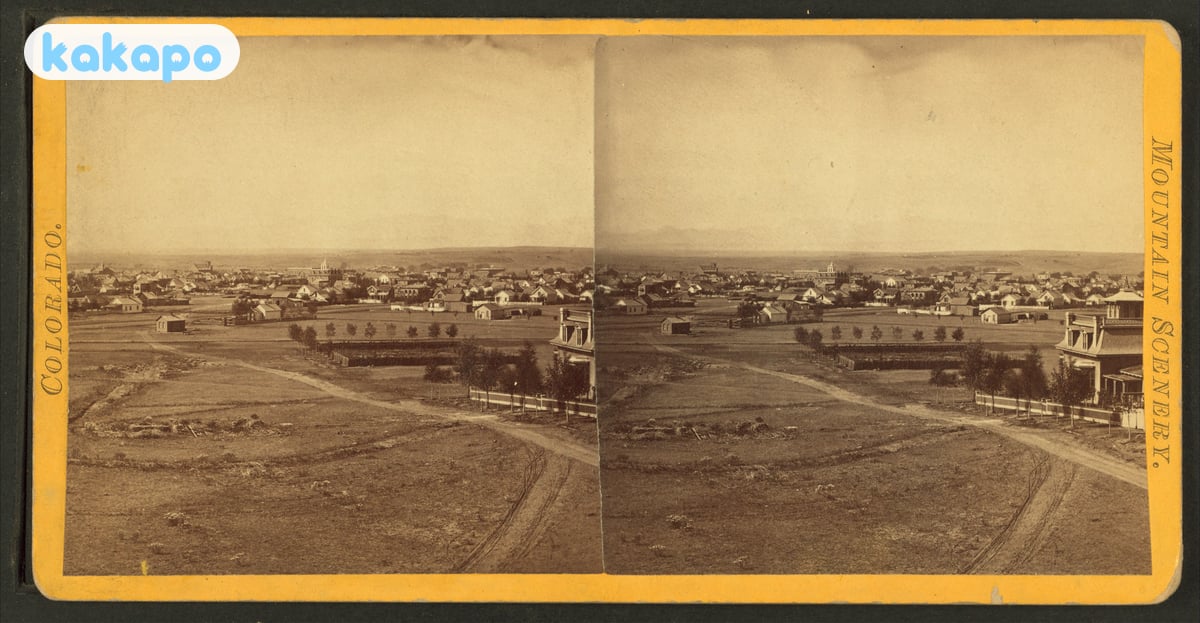
- Denver: 1,609 m (5,280 ft) — the "Mile High" name. Most visitors handle this without noticing.
- Effects on day 1: dehydration faster than at sea level, occasional mild headache, faster fatigue. Drink double the water.
- Alcohol hits harder: at altitude, what you drink in Denver feels stronger than at sea level. Pace yourself.
- Going up to ski resorts (2,500-3,800 m): this is where altitude really matters. Acute mountain sickness affects ~10-30% of unacclimatised visitors. Symptoms: headache, nausea, sleeplessness, sometimes vomiting.
- Mitigations: spend a night in Denver before going up; drink water; skip alcohol day 1 at altitude; ascend gradually.
- Going to Mt Evans / Pikes Peak (4,300 m): real altitude. People with heart and lung conditions should consult their doctor before; some people can't tolerate.
- Symptoms of HACE / HAPE (severe altitude sickness): confusion, gurgling cough at rest, blue lips. Descend immediately.
I-70 to the ski resorts — winter driving
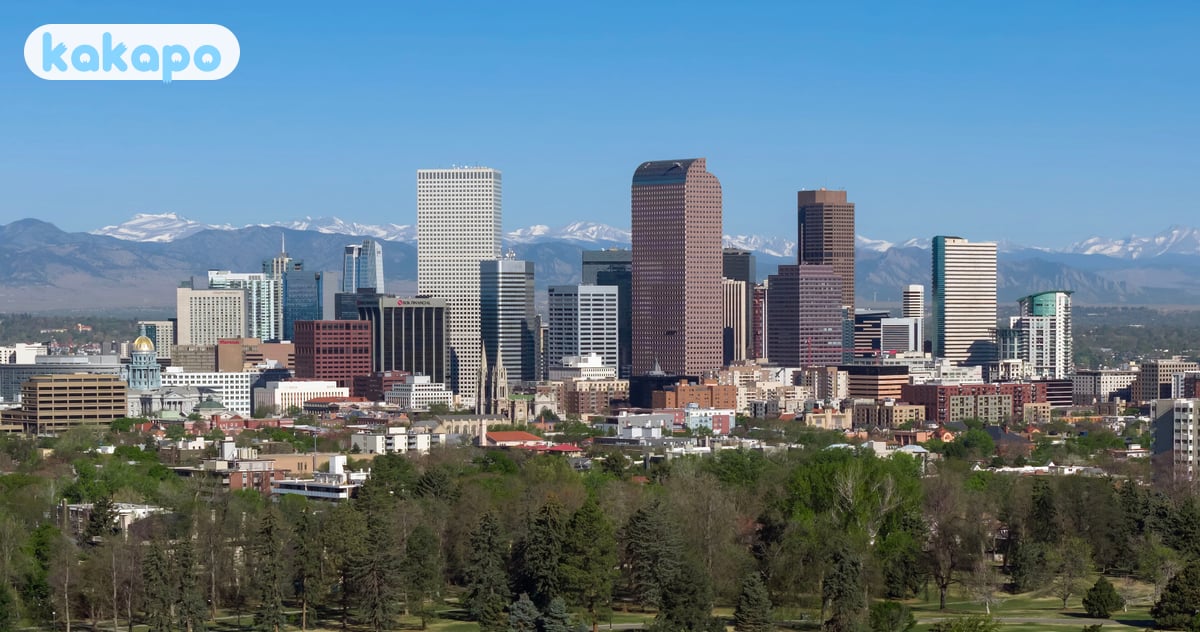
- I-70 west of Denver: the freeway to the ski resorts. Climbs from 1,600 m to 3,400 m through the Eisenhower Tunnel.
- Winter weather: chains/winter tyres legally required for some segments Nov 1 - April 30. Closures for snowstorms common.
- Skip Sunday afternoons: the after-ski return is the worst traffic in the US for that 4-hour window.
- Crashes: real. Allow ample buffer; rent AWD/4WD; chains in trunk.
- Bustang and Pegasus shuttles: state-run buses to ski resorts. Cheaper and safer for non-confident snow drivers.
- Don't underestimate winter: blizzards can trap cars on I-70 for 8+ hours.
Cannabis tourism — the legal context
- Recreational cannabis: legal in Colorado since 2014.
- Where to buy: licensed dispensaries (the green-cross-on-leaf signage). 21+ ID required.
- Where to consume: NOT in public, NOT in hotels (most have policies), NOT in cars. Designated "cannabis hospitality" venues opening since 2023; check current legality.
- Edibles dosing: read labels. 10mg THC is one dose; novice tourists overdose on edibles routinely (10mg edible → 60-90 min onset → impatient tourist eats more → 50mg+ ingested → ER visit). Wait at least 90 min before re-dosing.
- Don't drive after consuming: Colorado DUI for cannabis is real and enforced.
- Don't take it home: federally illegal, illegal to fly with even within the US.
- Don't bring it across state lines: federally illegal regardless of destination state's laws.
Wildfire smoke + mountain thunderstorms
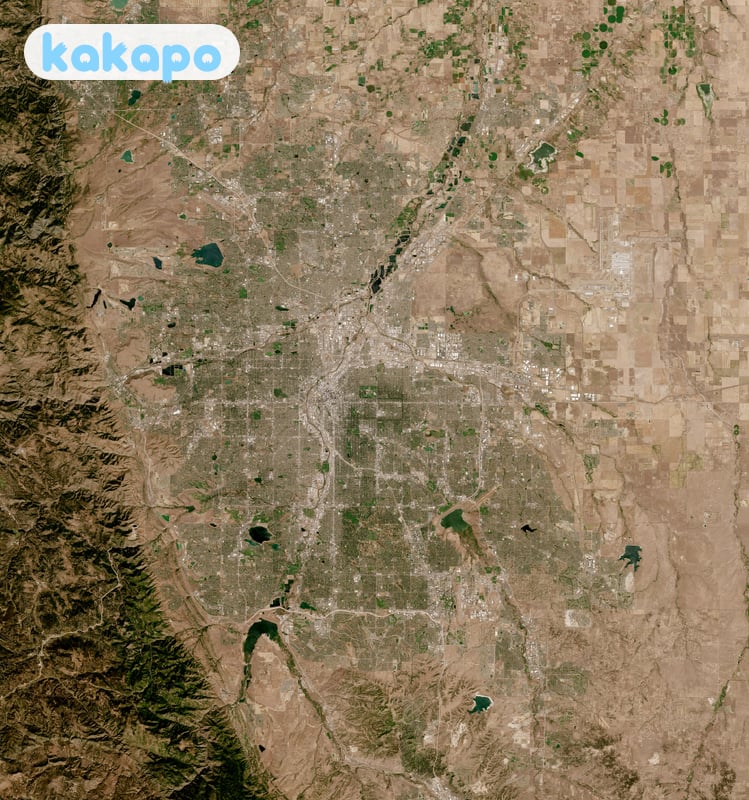
- Wildfire smoke: Colorado, Wyoming, and California fires drift smoke across Denver in summer. AQI can spike to hazardous.
- Asthmatics: bring inhalers. Check AirNow on bad days.
- Mountain thunderstorms: form fast over Rocky Mountain ridges in summer afternoons. Lightning is the leading hiker killer in Colorado.
- The rule: be off exposed ridges by 11am-noon in summer. Plan dawn starts; back at the car by lunch.
- Hailstorms: regular Denver event in summer. Park under cover when possible.
Areas — LoDo, RiNo, Capitol Hill

Recommended for visitors: LoDo (Lower Downtown) — Union Station, Coors Field, walkable. RiNo (River North) — gentrified arts district, breweries, murals. Capitol Hill — historic, residential. Cherry Creek — upscale shopping. Highlands / Tennyson — gentrified residential.
Stay aware: parts of East Colfax (homelessness, addiction services concentrated; mostly along certain blocks east of downtown). Around the bus station.
Transport, taxis, the airport
- RTD light rail + buses: 8 lines covering downtown to suburbs. The A Line links the airport directly. $3 single, $6 day pass.
- Uber + Lyft: cheap and reliable.
- Walking: LoDo and RiNo are walkable; the 16th Street Mall historically had pedestrian-only zones (rebuilding through 2024-26).
- Denver International Airport (DEN): 40 km north-east — far from downtown. RTD A Line $10.50 to Union Station, 37 min — direct. Taxi $65. Uber $40-65.
- Driving: in city, fine. To mountains, see the I-70 section.
Money, food, the cost story
- Currency: US dollar.
- Tipping: 18-22%.
- Tax: 8.81% sales tax in Denver.
- Cost: hotels $180-350/night standard.
- Tap water: safe (Rocky Mountain snowmelt — excellent).
- Local food: green chile, Rocky Mountain oysters (the joke is on you), the craft beer scene is dense.
Practical info — emergency numbers
- Emergency: 911.
- Denver Police non-emergency: 720-913-2000.
- UCHealth University of Colorado Hospital ER: 720-848-0000.
- Rocky Mountain Poison & Drug Center (for edible overdoses): 1-800-222-1222.
Bring: layered clothing (Colorado weather changes fast), winter gear if Dec-March, sun protection (UV is severe at altitude), a refillable water bottle, a contactless card, an unlocked phone, and US-valid travel insurance with full medical coverage.
Frequently asked questions
Is Denver safe to visit in 2026?
Yes — Denver is one of the safer mid-sized US cities for tourists. Crime against visitors is uncommon and the central anchors (LoDo, Union Station, RiNo, Cherry Creek, Capitol Hill) are calm. The realistic concerns are environmental: altitude (Denver sits at 1,609 m and the ski resorts climb to 2,500-3,800 m, where acute mountain sickness affects 10-30% of unacclimatised visitors), the genuinely dangerous winter mountain driving on I-70 to the ski resorts, summer wildfire smoke episodes, and afternoon thunderstorms in the Rockies that kill lightning-exposed hikers each year.
Is Denver safe at night?
Yes in tourist neighbourhoods. LoDo, Union Station, RiNo and Cherry Creek are calm and busy after dark. The exception is East Colfax, particularly the blocks east of downtown where homelessness and addiction services concentrate — confronting rather than violent towards passers-by, but not a walking route. Standard precautions around the bus station and parts of South Broadway after midnight. RTD light rail is reliable into the evening and Uber/Lyft are cheap.
Is Denver safe for solo female travellers?
Yes — Denver is one of the easier US cities for solo female travel. The RTD light rail is reliable, the LoDo and RiNo districts are dense with restaurants and breweries, and the active-outdoor culture means you'll find group hikes and ski-resort shuttles easily. Standard precautions apply on East Colfax after dark. The genuine risks (altitude, winter driving, lightning on exposed alpine ridges, cannabis edible miscalculation) are non-gendered and apply to everyone.
Can you drink tap water in Denver?
Yes — Denver tap water comes from Rocky Mountain snowmelt via Denver Water, is treated to EPA and Colorado standards, and is genuinely excellent. It is safe everywhere in the city and surrounding suburbs. The altitude actually makes hydration more important, not less — drink double the water you would at sea level on your first day or two, and avoid alcohol on day one to acclimatise faster.
What's the biggest scam to avoid in Denver?
Denver has very little organised scam culture. The recurring practical traps are cannabis-edible overdosing (read labels: 10mg THC is one dose, novice tourists eat a whole 100mg bar and end up in the ER 60-90 minutes later — wait at least 90 minutes before re-dosing), unofficial Rocky Mountain National Park and Pikes Peak "private tour" brokers (book licensed operators directly), and counterfeit lift-ticket resales for the I-70 ski resorts (buy through Vail Resorts, Alterra, or the individual mountain sites). Don't try to bring legal Colorado cannabis home — it's federally illegal to fly with even on domestic flights, and illegal to cross any state line with regardless of destination law.
How do I deal with the altitude?
Most visitors handle Denver's 1,609 m (Mile High) without noticing more than slightly faster fatigue and stronger-feeling alcohol on day one. Where altitude becomes genuinely consequential is going up to the ski resorts at 2,500-3,800 m or to Mt Evans and Pikes Peak at over 4,000 m. Spend at least one night in Denver before ascending to ski-resort altitude; drink double the water; skip alcohol on day one at altitude; and ascend gradually. Acute mountain sickness symptoms (headache, nausea, sleeplessness, sometimes vomiting) affect 10-30% of unacclimatised visitors and usually resolve in a day. Severe altitude illness — confusion, gurgling cough at rest, blue lips, severe shortness of breath — is HACE or HAPE and means descend immediately. People with heart and lung conditions should consult their doctor before any 4,000 m exposure.
Sources
Run a business in Denver?
Show visitors your Denver business is a safe choice. The free Verified by Kakapo badge puts Denver's live safety score on your website, links back to your verified page, and updates itself. No cost.
Get the free badge →