


Is Cardiff, Wales Safe? A 2026 Travel Safety Guide
Cardiff is one of the safer UK capitals. The honest concerns: rugby weekends turn the centre into a 60,000-pint event, Welsh weather, and Cardiff Bay paths.

Cardiff is one of the safer UK capitals. Crime against tourists is low. The realistic concerns are concentrated: the run of Six Nations Saturdays (Feb-March) and Autumn Internationals (November) when the Principality Stadium empties 73,000 fans into a city centre of three streets, Cardiff Bay paths in winter (icy in cold spells, dark in evenings), the busy Castle district at peak — and Welsh Atlantic weather, which rains genuinely more than London.
The UK sits at Level 2 on the US State Department's advisory ("exercise increased caution due to terrorism") — generic UK-level. UK FCDO carries no specific Cardiff warning. The honest framing: Cardiff has the small-capital feel — most of what you'll see is within 20 min walk of the Castle. Rugby days transform the centre and you should plan around them; the rest of the time it's a calm, friendly city with a strong food scene.
Cardiff is mid-sized (~360,000 residents). The Castle, the Principality Stadium (where rugby is played in the city centre, not on its outskirts), Cardiff Bay (Senedd, Wales Millennium Centre, Mermaid Quay), the National Museum, Cathays Park, and Castell Coch (8 km north) are the anchor experiences.
What makes Cardiff easy: the centre is genuinely compact. From Cardiff Castle on the northwest of the centre to Cardiff Central station on the south is a 10-minute walk; the Principality Stadium sits between them, right on the riverside. Cardiff Bay is 25 minutes' walk south of the centre via the Lloyd George Avenue boulevard, or a 4-minute £2 train hop from Queen Street station. The Cathays Park civic core (City Hall, National Museum, Cardiff University) is 10 minutes north of the Castle. Roath and Cathays are the student neighbourhoods further north and east; Pontcanna is the upscale leafy neighbourhood west of the river; Penarth is the seaside town 15 minutes south by train (the alternative-base option for visitors who want quiet on rugby weekends). Welsh-language signage is bilingual across the city — every street sign, every Senedd document, every Transport for Wales announcement. English everywhere; a "Diolch" (thank you) is appreciated.
In 2026, the practical updates: TfL-style contactless tap-to-pay is now universal on Transport for Wales rail and Cardiff Bus (£2 capped single under the UK-wide cap, day cap £4.40); the £2 cap on single bus journeys remains until further notice; the new Cardiff Crossrail tram project is in early planning but won't affect 2026 visitors; the Wales-England Six Nations match at Principality Stadium is the year's single biggest civic event (3 March 2026 if the fixture list holds, and the city centre will be rammed); Storm Bert (November 2024) and Storm Darragh (December 2024) were the most recent named Atlantic storms to disrupt Cardiff Bay paths and bring flooding to the Taff. The Met Office UK storm centre is the practical reference. Welsh cakes (sweetened flat-griddle scones, dusted with sugar) remain the city's signature handed-down tea — Fabulous Welshcakes inside Cardiff Market is where most visitors first try them.
| Night safety | 69/100 |
|---|---|
| Scam / petty-crime risk | Medium |
| Violent crime (tourists) | Low |
| Most common scams | match-day drink spiking in bars; pickpocket spike during rugby weekends; late-night intensity on St Mary Street |
| Safer neighbourhoods | Cardiff city centre, Cardiff Bay, Bute Park |
| Data sources cited | 4 |
| Last verified |
What the score means — 83/100
- Air quality (86) — Atlantic-fresh; the M4 corridor north of the centre adds NO₂.
- Healthcare (86) — University Hospital of Wales is the regional centre.
- Transport (84) — train hub for South Wales; Transport for Wales rail; buses; walkable centre.
- Personal safety (84) — high. Match-night drunk-and-disorderly is the largest concern for visitors.
Six Nations + Autumn Internationals — what to expect

- The reality: Cardiff is the only major capital where the rugby Test stadium sits in the centre. Match days transform the city.
- The numbers: 73,000 fans, half drinking from breakfast, all in the same square mile.
- Most is good-natured: Welsh, Irish, Scottish, French rugby crowds are notably better-behaved than typical football crowds. Police presence is heavy.
- Hotel prices: triple. Book months ahead for any Six Nations Saturday.
- Restaurant reservations: a week+ ahead for any centre venue match-day.
- Streets to know: St Mary Street and Caroline Street (Chippy Lane) are where the late-night intensity peaks.
- Pickpocket spike: low base rate but real; front pocket only.
- If you don't want this: stay 1-2 nights either side of the match, or avoid the centre on match-day evening — Penarth is 15 min by train and a different world.
- Trains after the match: Cardiff Central is rammed for 90 min after final whistle. Walk to Queen Street station for less crush.
Cardiff Castle and the centre
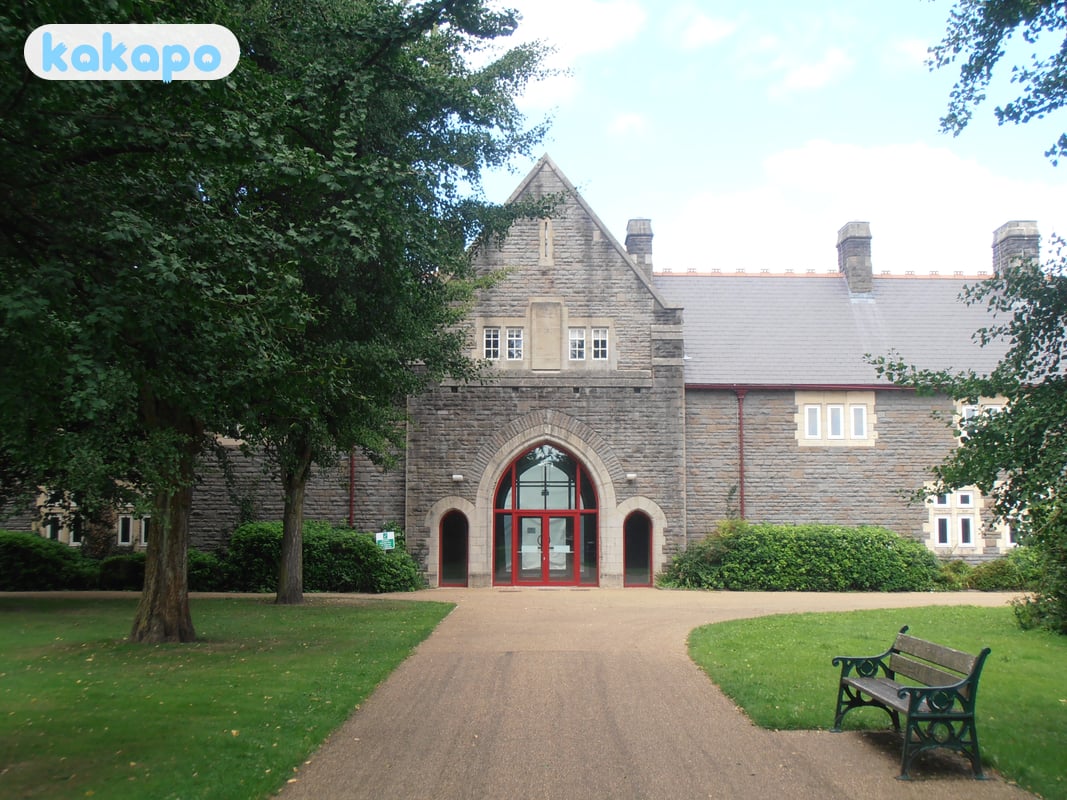
- Cardiff Castle: £15.50 adult; the Wartime tunnels and Norman keep are highlights. Allow 2 hours.
- The Bute Park behind the castle: large green space; safe daytime, quieter at night, perfectly fine.
- St Fagans National Museum of History: 6 km west. Free; one of the UK's best open-air museums. Bus 32A from city centre, 30 min.
- Pickpockets: low; bigger concern is rugby-weekend density.
- Solo at night in the Castle quarter: completely safe.
Cardiff Bay — the path, the weather, the dock
- The waterfront: Mermaid Quay, the Senedd (Welsh Parliament, free public access), Wales Millennium Centre, Norwegian Church.
- The Bay barrage: walking path closes/becomes very windy in storms; check before walking out.
- From centre to Bay: 25 min walk via Lloyd George Avenue (well-lit), or train Queen Street to Cardiff Bay 4 min, £2.
- Winter: Bay paths get icy in cold spells and dark by 4:30pm. Sturdy shoes, head torch in winter evenings.
- Pickpockets: low.
- Solo women: very comfortable; the Bay area is family-busy in daytime, calmer in evening.
Welsh weather — rain, wind, what to bring

- Rain: ~150 days/year, ~1,150 mm. Wetter than London or Manchester.
- Temperature: 3-8°C winter, 16-22°C summer. Heatwaves push 30°C briefly.
- Wind: Atlantic systems hit hard. Cheap umbrellas die in 30 seconds. Hooded waterproof shell is the move.
- Best months: May-September; January-February for Six Nations.
- Storm names: UK Met Office names major Atlantic storms. "Storm Bert" or similar — take the orange/red warnings seriously.
- Welsh-language signage: bilingual. English everywhere; "Croeso" = welcome.
Nightlife — St Mary Street, Womanby, drink-spiking
- St Mary Street: the main bar strip. Lively Fri-Sat, intense rugby weekends.
- Womanby Street: live-music alley, calmer; Welsh independent music scene.
- Mill Lane: restaurants + bars; the gay quarter.
- Drink-spiking: a UK-wide concern. South Wales Police actively run "Stamp Out Spiking". Watch your drink in larger anonymous bars.
- Late-night taxis: black-cab and Bolt + Uber. After 2am Caroline Street ("Chippy Lane") is the after-bar food zone.
- Solo women: comfortable in well-trafficked streets; less in Cathays student streets after 2am.
Trains, buses, the airport

- Cardiff Central: GWR mainline to London Paddington 2h, ~£40-90 advance. Bristol 50 min.
- Transport for Wales: regional rail across Wales; the South Wales Valleys lines pass through Cardiff Queen Street.
- Cardiff Airport (CWL): 18 km west. Bus T9 to centre £5, ~30 min. Limited routes.
- Bristol Airport (BRS): 75 km east; bus + train combo ~2h.
- Buses: Cardiff Bus and Stagecoach. £2 single capped fares (UK-wide cap).
- Cycling: nextbike share. Taff Trail along the river is excellent.
Neighbourhood-by-neighbourhood breakdown

- Cardiff city centre — anchored by Cardiff Castle (£15.50 adult, Norman keep and Wartime tunnels), the Principality Stadium (the 73,000-seat rugby venue sitting right in the centre on the riverside), the Hayes shopping street, the Cardiff Market (Victorian covered market with the Fabulous Welshcakes counter and the Madame Fromage cheese stall), and St David's shopping centre. Walkable end to end in 15 minutes. Heavily policed, safe any hour.
- Cardiff Bay — 25 minutes' walk or 4-minute £2 train south of the centre. Mermaid Quay (restaurants and bars), the Senedd (Welsh Parliament — free public access to the debating chamber when not sitting), the Wales Millennium Centre (the giant copper-and-slate arts centre with the "In These Stones Horizons Sing" inscription), the Norwegian Church (Roald Dahl's family church), the Pierhead building. The Cardiff Bay Barrage walking path closes/becomes very windy in named storms — check Met Office before walking out.
- Cathays + Cathays Park — the civic and university quarter immediately north of the centre. City Hall, the National Museum of Wales (free entry — the Impressionist collection is one of Europe's best regional galleries thanks to the Davies sisters), Cardiff University buildings, the Welsh National War Memorial. Walkable from the Castle in 10 minutes; family-saturated and safe by day. Cathays student streets to the north and east get rowdier on Friday-Saturday term-time nights.
- Roath — the residential neighbourhood east of the centre, with Roath Park (the Victorian park and lake with the Captain Scott Memorial Lighthouse — Scott left Cardiff for the Antarctic in 1910), Wellfield Road's independent shops and cafés, and the Roath Sunday food market. Calm and walkable.
- Pontcanna — the upscale leafy residential neighbourhood west of the River Taff, with Pontcanna Fields (the big riverside park), Pontcanna Inn, Cathedral Road's independent restaurants and B&Bs. The local alternative to centre hotels for visitors who want quiet.
- Cardiff Central station — the city's main railway terminus, GWR mainline to London Paddington (2 hours, £40-90 advance) and Bristol (50 minutes), Transport for Wales regional to Swansea, the Valleys, and West Wales. Rammed for 90 minutes after rugby final whistle — walk 10 minutes to Queen Street station for less crush.
- Principality Stadium — the 73,000-seat rugby (and occasional concert) venue sitting right on the riverside in the city centre. Six Nations Saturdays (February-March), Autumn Internationals (November), Wales football qualifiers, and concert nights (Beyoncé, Bruce Springsteen, Coldplay have all played) transform the city. Hotels triple in price.
- Bilingual signage — every street sign, every Senedd document, every TfW announcement is bilingual Welsh-English. Welsh is the world's strongest minority language in terms of revival — around 30% of Cardiff residents claim some Welsh, schools teach it through age 16, S4C broadcasts daily Welsh-language television. English is universal; "Diolch" (thanks) and "Bore da" (good morning) are appreciated and the conversation continues in English.
- Welsh cakes — the city's signature sweet, flat-griddle scones with sultanas dusted in sugar, traditionally cooked on a planc (cast-iron griddle). Fabulous Welshcakes inside Cardiff Market is the visitor-friendly default (£1.50 each, watch them made); Bakestones on Cathedral Road in Pontcanna for the local version.
If it's your first time visiting
- Best arrival: by train if possible — GWR from London Paddington in 2 hours (£40-90 advance through GWR or Trainline). Cardiff Airport (CWL) is 18 km west with limited routes; bus T9 to centre £5 in 30 minutes. Bristol Airport (BRS) is 75 km east with more international options — bus + train combo ~2 hours.
- Best neighbourhood for your first night: inside the city centre (Park Plaza, Hilton Cardiff, Voco St David's at the Bay) for the Castle-and-rugby experience; Cardiff Bay (Voco, the Voyage Cardiff) for waterfront mornings; Pontcanna for the leafy local experience. Avoid first-night bookings near Cardiff Central on rugby weekends (noisy) or in Cathays student-streets term-time.
- Day 1 jet-lag friendly: Cardiff Castle at opening (£15.50, allow 2 hours including the Wartime tunnels and the Norman keep climb), lunch at Cardiff Market (Welshcakes from Fabulous Welshcakes, cheese from Madame Fromage), afternoon at the National Museum of Wales (free, the Davies sisters' Impressionist collection is the centrepiece), dinner on Mill Lane or Wyndham Arcade.
- Public transport: Transport for Wales rail and Cardiff Bus accept contactless tap-to-pay (£2 single under the UK-wide bus fare cap, £4.40 day cap). Queen Street to Cardiff Bay 4 minutes £2 is the easiest single ride visitors take. Walking handles most of the compact centre.
- Common rookie mistakes: booking a centre hotel for a Six Nations Saturday without checking (hotels triple-price, restaurants book out a week ahead); cheap umbrellas (Atlantic wind kills them in 30 seconds — hooded waterproof shell is the move); trying to take the train from Cardiff Central immediately after a rugby match (rammed for 90 minutes — walk 10 minutes to Queen Street); ignoring named storm warnings (Met Office orange/red warnings shut down the Cardiff Bay barrage walk and the Taff river path); skipping the National Museum because it's "free" (the Davies sisters Impressionist collection is one of the best regional galleries in Europe).
- Currency: pound sterling. Cards everywhere; Cardiff is overwhelmingly cashless. Carry £30-50 in cash for the rare exception. Tap-to-pay on every Cardiff Bus and TfW train reader.
- Rugby weekend strategy: if your visit coincides with Six Nations (February-March) or Autumn Internationals (November), embrace it or escape it. To embrace: book months ahead, expect a 24-hour party along St Mary Street, bring earplugs, accept the crowd at Cardiff Central for 90 minutes post-match. To escape: stay in Penarth (15 min by train, a different world) or Pontcanna; avoid the city centre on match-day evening; trip-plan around Castell Coch or Caerphilly Castle.
- Welsh cakes + Welsh food worth seeking: Welsh cakes at Fabulous Welshcakes (Cardiff Market) and Bakestones (Pontcanna); cawl (Welsh lamb-and-leek stew) at the Pen & Wig or the Plough & Harrow; laverbread (seaweed) on toast with cockles for a proper Welsh breakfast; bara brith (currant tea-bread) at any tea shop; Welsh rarebit done properly at the Conway in Pontcanna. The food market at Mermaid Quay on Sunday is a good cross-section.
- Day-trips by train: Penarth (15 min, £3, the seaside town with the Edwardian pier and the cliff walks); Caerphilly Castle (20 min, the largest castle in Wales, with the leaning tower); Castell Coch (8 km north, the Victorian Gothic-Revival fantasy castle by William Burges); the Brecon Beacons / Bannau Brycheiniog National Park (1.5h by train to Merthyr then taxi); the Wye Valley (1h east via Newport).
Practical info — emergency numbers
- Emergency: 999 (or 112).
- Police non-emergency: 101.
- NHS non-emergency: 111.
- University Hospital of Wales A&E: 029 2074 7747.
- Met Office Storm Centre: metoffice.gov.uk/weather/warnings-and-advice/uk-storm-centre
Bring: a hooded waterproof shell, sturdy shoes with grip, a contactless card, an unlocked phone (Three, EE, O2, Vodafone UK prepaid), and travel insurance with NHS + private cover.
Frequently asked questions
Is Cardiff safe to visit in 2026?
Yes. Cardiff is one of the safer UK capitals. US State Department lists the UK at Level 2 (terrorism baseline); UK FCDO has no specific Cardiff warning. Crime against tourists is low. The realistic concerns are concentrated on Six Nations Saturdays and Autumn Internationals when 73,000 fans empty into a small city centre — not violent crime.
Is Cardiff safe at night?
Yes for the centre most nights. St Mary Street and Caroline Street (Chippy Lane) get intense Friday-Saturday and on rugby weekends, but South Wales Police presence is heavy and Welsh/Irish/Scottish/French rugby crowds are notably better-behaved than football crowds. Drink-spiking is a UK-wide concern. Solo walks back to central hotels are fine; use Bolt or Uber for longer routes.
Is Cardiff safe for solo female travellers?
Yes. Cardiff is comfortably safe for solo women with standard urban awareness. The Bay area is family-busy in daytime, calmer in evening, well-lit. South Wales Police actively run 'Stamp Out Spiking' campaigns; stick to busier bars on St Mary Street, watch your drink. Cathays student streets after 2am are less ideal solo.
Can you drink tap water in Cardiff?
Yes. Welsh Water (Dŵr Cymru) supplies safe, extensively tested tap water — soft Welsh-mountain reservoir water that's notably good. Free at every restaurant. Refill bottles anywhere.
How bad are Six Nations rugby weekends really?
Manageable if planned, overwhelming if not. Cardiff is the only major capital where the rugby Test stadium sits in the centre — 73,000 fans, half drinking from breakfast, all in the same square mile. Hotels triple in price; book months ahead. Most behaviour is good-natured; pickpocket spike is low but real, front pocket only. After the final whistle Cardiff Central station is rammed for 90 min — walk to Queen Street instead. If you don't want the experience, Penarth is 15 min by train and a different world.
Is Cardiff Bay safe to walk to from the centre?
Yes. The 25-min walk via Lloyd George Avenue is well-lit and routine, or take the train Queen Street to Cardiff Bay (4 min, £2). The barrage walking path closes in storms — the Met Office names major Atlantic storms; take orange/red warnings seriously. In winter the Bay paths get icy in cold spells and dark by 4:30pm; sturdy shoes essential.
Sources
Run a business in Cardiff?
Show visitors your Cardiff business is a safe choice. The free Verified by Kakapo badge puts Cardiff's live safety score on your website, links back to your verified page, and updates itself. No cost.
Get the free badge →