


Is Montevideo, Uruguay Safe? A 2026 Travel Safety Guide
Ciudad Vieja pickpockets, the Pocitos beach corridor, the Punta del Este day trip, summer crowds, and the realistic risks of South America's quietest capital.

Montevideo is one of South America's safer capitals — Uruguay consistently ranks among the region's safest countries by personal-crime statistics. Crime against visitors in tourist neighbourhoods (Ciudad Vieja, Pocitos, Punta Carretas, Carrasco) is moderate.
The realistic risks for visitors are the standard pickpocket caution in Ciudad Vieja (the historic centre — daytime fine, sketchier at night), the Punta del Este road-trip logistics (140 km east), the summer Jan-Feb when Argentinians flood the coast (hotel prices spike), and the standard "don't walk with phone in hand" South-America rule (lower-grade for Montevideo than Buenos Aires).
Uruguay sits at Level 1 on the US State Department's advisory list. UK FCDO is similar. The honest framing: Montevideo is medium (~1.4 million city, 1.9 million metro), South America's quietest capital. The Mercado del Puerto (the famous parrilla market), Ciudad Vieja, the 22 km Rambla (the riverfront promenade), Pocitos beach, and Carrasco are the visitor anchors.
| Solo female safety | 84/100 |
|---|---|
| Night safety | 67/100 |
| Scam / petty-crime risk | Medium |
| Violent crime (tourists) | Low |
| Most common scams | phone-snatch from passing motorbikes; smash-and-grab from cars at red lights; Mustard / soda-on-shirt distraction theft |
| Safer neighbourhoods | Pocitos, Punta Carretas, Carrasco |
| Data sources cited | 4 |
| Last verified |
What the score means — 83/100
- Personal safety (84) — high for South America.
- Air quality (84) — moderate-good.
- Healthcare (84) — Hospital Británico + Asociación Española tourist-grade private.
- Transport (80) — buses + Uber + Cabify; small enough to walk centro.
Areas — Ciudad Vieja, Pocitos, Carrasco, Punta Carretas
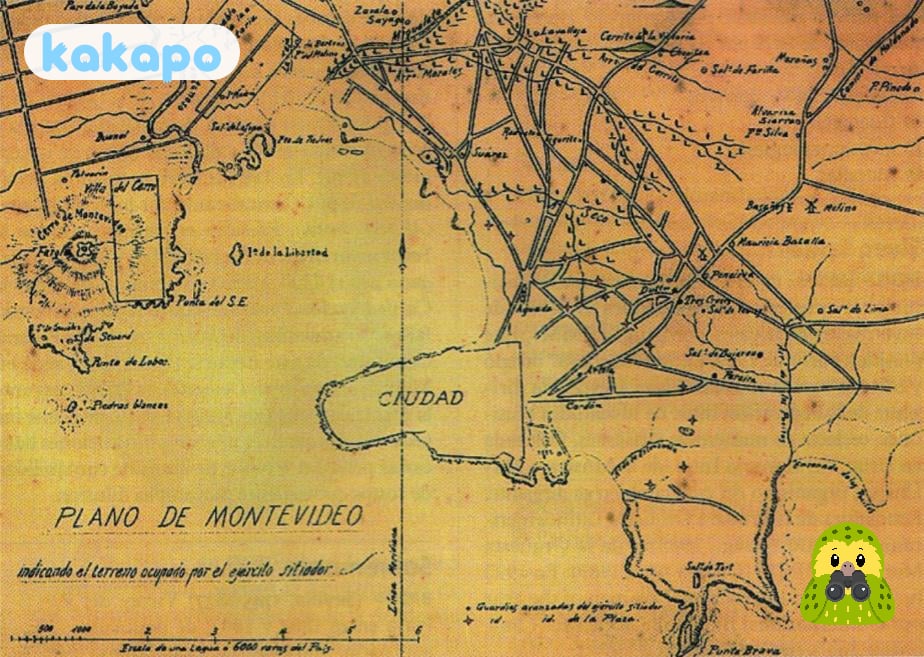
Recommended for visitors: Ciudad Vieja (historic colonial — daytime), Pocitos (beach + residential), Punta Carretas (gentrified Pocitos-adjacent), Carrasco (upscale residential, near airport), Centro (modern downtown).
Stay aware: Ciudad Vieja at night (less police presence; some streets quiet quickly), around Tres Cruces bus terminal, parts of Cerro (working-class outer).
Punta del Este road trip
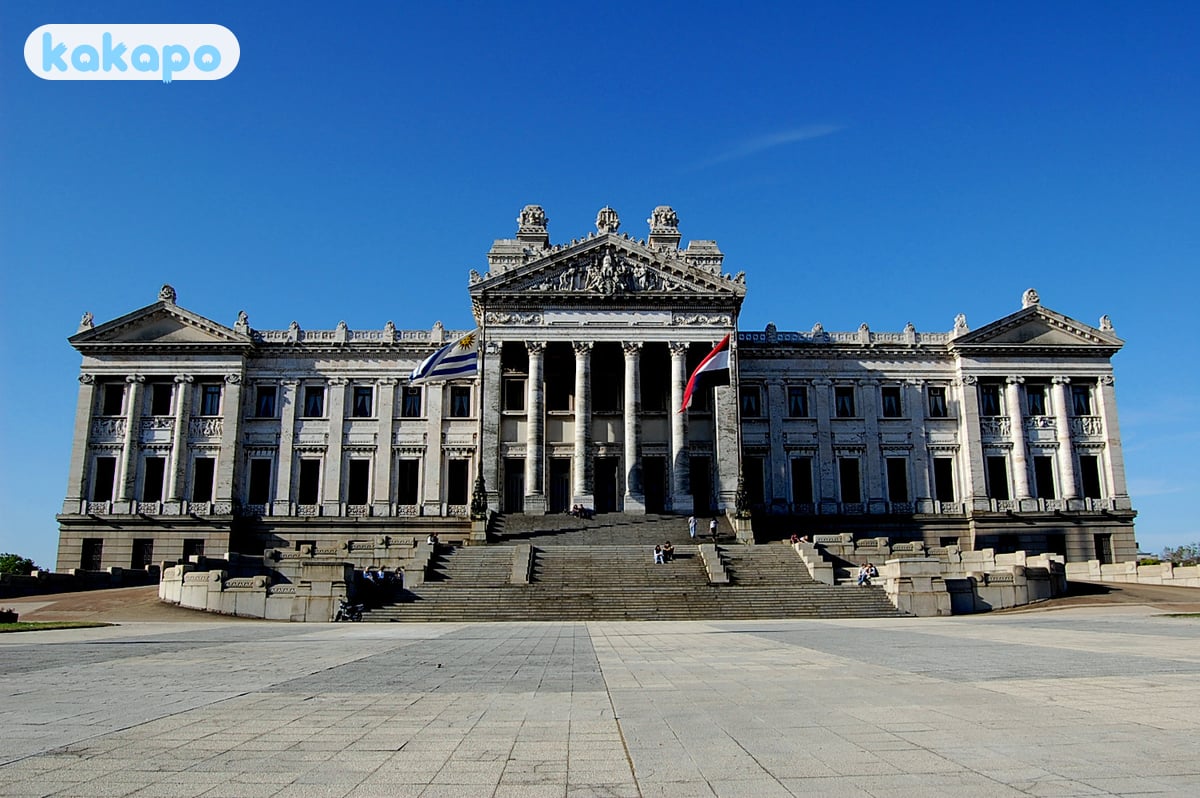
- Punta del Este: 140 km east. Uruguay's St-Tropez — luxury beach resort + summer playground.
- Driving: 90 min on Ruta 1 + Ruta Interbalnearia. Reasonable.
- Bus: COT, Cita Buquebus run frequent service. ~UYU 700-1,000 ($15-22).
- Summer (Dec-Feb): Argentinian-tourist invasion. Hotels +400-700%; book 6+ months ahead.
- The Hand sculpture (Mano de Punta del Este): the iconic photo at Brava Beach.
- Casapueblo: 20 min west; the Carlos Páez Vilaró-designed white sculpture-hotel.
Scams — Montevideo is genuinely calm, with one specific exception
- Carrasco Airport (MVD) taxi: airport taxis use a fixed-rate counter (around US$30-45 to the centre). Uber and Cabify both work and are usually cheaper, but the airport pickup zone is just outside arrivals and signposted.
- Phone-snatch from passing motorbikes: real in Montevideo as in much of the Southern Cone. Don't walk talking on a phone held in hand near busy avenues (18 de Julio, Rambla in some stretches).
- Smash-and-grab from cars at red lights: rare in tourist areas, more common on the outer ring. Lock doors, windows up, phones out of sight.
- "Mustard" / "soda-on-shirt" distraction theft: the same Buenos Aires pattern occasionally reported in Ciudad Vieja. Step back, walk to a busy area before cleaning anything.
- Cordillera del Sur "private tour" cold pitch: random men outside hotels in Pocitos offer half-day tours at suspiciously low prices. Use established operators (Jet Boat Uruguay for the harbour, Tour Punta del Este for the coast).
- ATM skimming: rare, but use machines inside bank branches (Banco República, ITAU, Santander) during business hours.
- Card-terminal DCC: always pay in UYU, not "your home currency". The dynamic-currency rate is meaningfully worse.
- Carnaval pickpocketing: the Llamadas parades in Barrio Sur (late January-early February) are dense, drum-heavy, joyful crowds. Phone in front pocket; no wallet visible.
Punta del Este + the Atlantic coast — the summer migration
Every January-February, half of Montevideo moves 130 km east to Punta del Este — the resort city that Argentinian, Brazilian, and Paraguayan summer holidaymakers also descend on. Outside of summer, Punta is a quiet coastal town.
- Punta del Este (130 km east): 1h45m by ETT or COT bus (~UYU 600-800). Beach + nightlife + the Casapueblo + the famous Hand sculpture (La Mano). Peak summer rates are 3-5× off-season; book months ahead for January.
- José Ignacio: 30 km east of Punta. Where the rich actually go — quieter, low-rise, world-class restaurants (Garzón). Day-trip from Punta or stay overnight.
- Cabo Polonio: 90 km further east. Off-grid coastal village reached by 4×4 sand-truck only; no cars, no electricity in most houses, sea-lion colony on the rocks. A genuinely unusual experience.
- Punta del Diablo: small fishing village near the Brazilian border. Surfer scene.
- Colonia del Sacramento (170 km west): the other day-trip direction. UNESCO Portuguese-colonial old quarter; ferry from Buenos Aires lands here. Easy half-day from Montevideo by bus (2h45m).
- Driving the Atlantic coast (Ruta 10): scenic, mostly two-lane. December-March traffic doubles.
Transport — Uber, Cabify, the airport
- Uber + Cabify: both work in Montevideo. Cheap.
- Buses (CUTCSA, COME): extensive city network.
- Taxis: yellow + black, metered. Honest.
- Carrasco International Airport (MVD): 18 km east. Bus 711 + 717 to centre. Pre-booked transfer UYU 1,500-2,500. Uber UYU 800-1,400.
- Buquebus ferry: to Buenos Aires (1h fast, 3h slower). Standard tourist crossing.
Climate + when to visit

- Summer (Dec-Feb): 25-32°C. Beach season. Crowds.
- Autumn (Mar-May): pleasant. 15-22°C.
- Winter (Jun-Aug): cold. 6-15°C. Heating at indoor venues; many beach hotels reduce service.
- Spring (Sep-Nov): 12-22°C. Quietest with reasonable weather.
- The Río de la Plata is brown/silt: not Caribbean turquoise. Many visitors find Atlantic-coast beaches (further east) prettier.
Money, food, the cost story
- Currency: Uruguayan peso (UYU). $1 ≈ UYU 40.
- USD widely accepted: at hotels.
- Cards: universal in Montevideo. Many places offer 22% IVA refund on card payment to foreign tourists (automatic at registration).
- Tipping: 10% in restaurants if not included.
- Cost: more expensive than Buenos Aires; closer to Chile or southern Brazil. Mid-range dinner $20-40.
- Tap water: safe.
- Local food: chivito (steak sandwich), parrilla beef, mate (the national obsession), dulce de leche.
Practical info — emergency numbers
- Police: 911.
- Tourist Police: at Ciudad Vieja.
- Ambulance: 105.
- Hospital Británico: +598 2487 1020.
Bring: a Uruguayan SIM (Antel, Movistar, Claro UY) at the airport, a contactless card, USD cash for hotel-direct payment, and travel insurance.
Frequently asked questions
Is Montevideo safe to visit in 2026?
Yes — Montevideo is one of South America's safer capitals and Uruguay consistently ranks among the region's safest countries by personal-crime statistics. US State Department lists Uruguay at Level 1 (exercise normal precautions) and UK FCDO has no advisory against travel. Crime against tourists in Pocitos, Punta Carretas, Carrasco, and daytime Ciudad Vieja is moderate and largely property-focused (pickpockets, occasional motorbike phone-snatches). Violent crime against tourists is uncommon.
Is Montevideo safe at night?
Yes, in the right neighbourhoods. Pocitos, Punta Carretas, and Carrasco have busy restaurant and bar scenes and feel comfortable late. The Rambla (riverfront promenade) is walked by locals into the evening. Ciudad Vieja empties out and gets sketchier after about 10pm — some streets thin out quickly and police presence drops. Avoid the area around Tres Cruces bus terminal at night. Use Uber or Cabify rather than walking long stretches after midnight.
Is Montevideo safe for solo female travellers?
Yes — Montevideo is widely considered one of the easier South American capitals for solo women. Catcalling is noticeably less common than in Buenos Aires or Rio. The cafe culture in Pocitos and Punta Carretas, the Rambla promenade, and the Mercado del Puerto parrilla market are all solo-friendly. Use Uber or Cabify after dark rather than street taxis. Don't walk talking on a phone in hand near busy avenues like 18 de Julio where motorbike-snatchers occasionally operate.
Can you drink tap water in Montevideo?
Yes. Montevideo tap water is treated to drinking standards and routinely consumed by residents. Restaurants serve tap by default. The Uruguayan supply is generally cleaner than its larger neighbours' and bottled is genuinely not needed. In coastal Punta del Este and rural areas, the supply is also drinkable but visitors sometimes prefer bottled by habit.
What's the biggest scam to avoid in Montevideo?
Honestly, Montevideo is one of the lowest-scam capitals in the region. The recurring patterns are minor: Carrasco airport taxi flat-rate touts ($30-45 to the centre — fine if you use the official fixed-rate counter, but Uber and Cabify are usually cheaper and work from the marked pickup zone outside arrivals); 'mustard on shirt' distraction theft in Ciudad Vieja during the day (same pattern as Buenos Aires); ATM skimming at street machines (use Banco República, ITAU, or Santander branch ATMs); and dynamic currency conversion at card terminals — always select UYU not 'your home currency' as the DCC rate is significantly worse. Carnaval Llamadas parades in late January-early February are joyful dense crowds where phones move from front pockets — easy fix is a front-pocket hand on it.
Should I include Punta del Este on my trip?
Depends on timing and what you want. January-February is peak Argentinian-and-Brazilian summer invasion — hotel rates spike 400-700% and book up 6+ months ahead, the nightlife is famously intense, and the beaches are crowded. March-November Punta is quiet, low-rise, and feels almost empty (many places close out of season). The realistic options: a day trip by COT/Cita Buquebus bus (1h45m, around UYU 700) to see the iconic La Mano sculpture, Casapueblo, and Brava Beach; or push 30 km further east to José Ignacio where the genuinely upscale crowd actually stays — quieter, low-rise, and home to Garzón. For something truly different, Cabo Polonio 90km east is reached only by 4x4 sand-truck, has no electricity in most houses, and sits next to a sea-lion colony.
Sources
Run a business in Montevideo?
Show visitors your Montevideo business is a safe choice. The free Verified by Kakapo badge puts Montevideo's live safety score on your website, links back to your verified page, and updates itself. No cost.
Get the free badge →