


Is Copacabana Safe at Night? Rio de Janeiro 2026 Guide
Avenida Atlântica, the calçadão promenade, the Posto de Polícia Turística, and the honest read on Rio's tale-of-two-faces tourist neighbourhood.

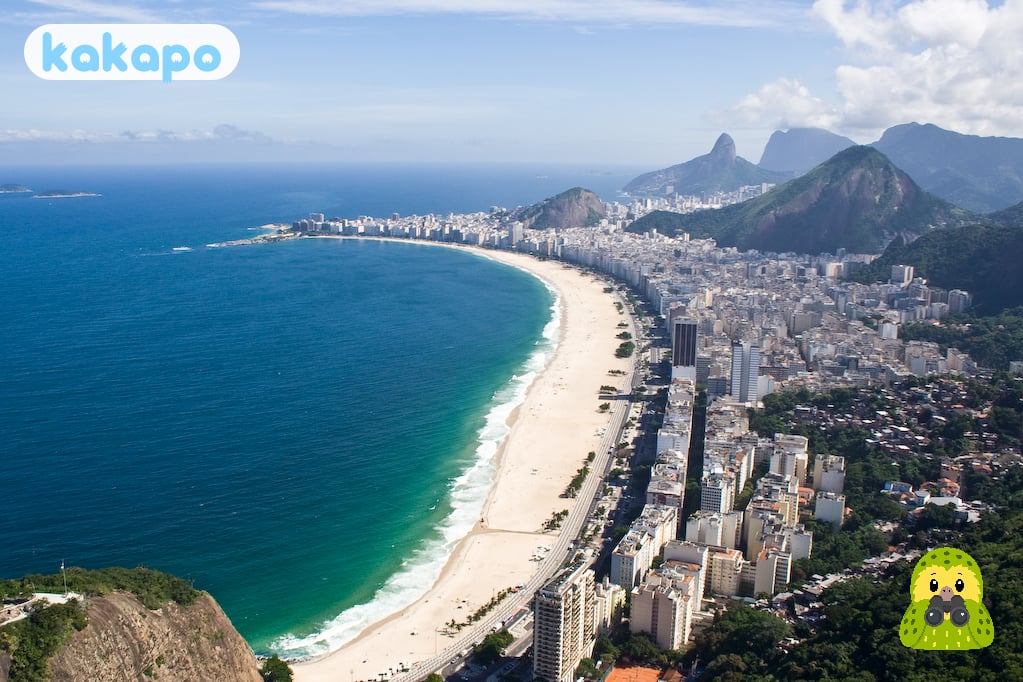
Copacabana — the iconic 4-kilometre crescent beach in Rio's Zona Sul, anchored by the famous calçadão promenade and the Avenida Atlântica hotel strip — is one of the most-tourist-policed neighbourhoods in Brazil and also one of the most-documented evening crime zones for tourists. The Polícia Militar's Posto de Polícia Turística has multiple visible stations along the calçadão, the Copacabana Palace and the major hotels run constant private security, and the BOPE rapid-response unit operates throughout Zona Sul. But Copacabana's geography (the long beach, the cross-street side roads, the proximity to several pacified-and-then-de-pacified favelas) creates a specific risk pattern not present in Ipanema next door.
The honest reads: phone-snatch by motorbike or on foot is the dominant tourist crime; beach robbery after dark (do not visit the sand at night) is well-documented; "arrastão" mass-robbery events on the calçadão have happened in 2024–2026; and the side streets two blocks back from the beach (Rua Barata Ribeiro inland, especially near the Rua Bolívar / Av. Princesa Isabel area) have a meaningfully different ambient feel than the Avenida Atlântica spine. Most Rio travellers find Copacabana fine for a hotel base and an evening dinner on the calçadão — but with much more deliberate precaution than a US or European city evening would require.
This guide covers what Copacabana is, the actual PM pattern, the calçadão-vs-side-streets split, and the small set of decisions that keep an evening here boring.
| Night safety | 75/100 |
|---|---|
| Scam / petty-crime risk | High |
| Violent crime (tourists) | Medium |
| Most common scams | phone-snatch by motorbike or on foot; beach robbery after dark; arrastão mass-robbery events on the calçadão |
| Safer neighbourhoods | Avenida Atlântica, calçadão, Copacabana Palace |
| Data sources cited | 4 |
| Last verified |
Copacabana geography — what's where
- Avenida Atlântica: the famous beachfront avenue with the Copacabana Palace and the hotel strip; well-patrolled, well-lit, the safest spine.
- The calçadão: the wave-patterned mosaic promenade between the avenue and the sand; busy evening foot traffic, kiosks (quiosques), pickpocket-opportunity in dense crowds.
- Rua Barata Ribeiro and the parallel inland streets: 1-2 blocks inland — residential and commercial; calmer ambient feel, more apartments than hotels, evening drugstore-and-supermarket density.
- Posto 4, 5, 6: the lifeguard-post divisions of the beach; Posto 6 (Forte de Copacabana end) is the southern tourist anchor.
- Av. Princesa Isabel: the wide avenue at the north end (toward Leme) — boundary with Leme neighbourhood; check around favela-access points.
- The major landmarks: Copacabana Palace; Forte de Copacabana (the 1914 fort museum); Posto 6; Leme beach (north extension); the Copacabana New Year fireworks site.
The actual safety picture
- Polícia Militar (PM) Zona Sul: heavy patrol, the dedicated Polícia Turística (DEAT) posto at Av. Princesa Isabel covers Copacabana, Leme and Ipanema.
- Phone-snatch: the dominant tourist crime. Motorbike pillion passes, snatches phone visible in hand; or on-foot snatch on the calçadão. Never use phone openly on the calçadão; cross-body bag in front.
- Beach at night: do not visit. The sand after dark is a documented robbery zone — multiple incidents weekly. The calçadão itself is fine because it stays lit and walked.
- Arrastão events: occasional mass-robbery surges where groups sweep the calçadão; 2024–2026 has seen periodic incidents. Police response has tightened; events are rare but documented.
- Side-street ambient risk: the inland blocks (especially north end near Av. Princesa Isabel) have higher street-population presence and the occasional opportunistic robbery. The major avenues (Atlântica, Nossa Senhora de Copacabana, Barata Ribeiro) are the keep-to-the-spine option.
- Favela proximity: Pavão-Pavãozinho and Cantagalo favelas overlook Copacabana from the hillside between Copacabana and Ipanema. Periodic security crises affect ambient feel; don't walk up the favela-access streets.
Copacabana venues — the safe-evening picks
- Copacabana Palace (Belmond, Av. Atlântica 1702): the iconic 1923 hotel; Cipriani restaurant and the rooftop bar Mee. Reservation essential.
- Le Pré Catelan (Sofitel): French fine-dining; reservation essential.
- Cervantes (Av. Prado Júnior 335): the legendary 24-hour pineapple sandwich; classic late-night.
- Bip Bip (Rua Almirante Gonçalves 50): tiny samba bar; Wednesday night chorinho, Sunday samba; close 01:00.
- Skylab (Hilton Copacabana, top floor): rooftop cocktails with the calçadão view; close 23:00.
- Adega Pérola (Rua Siqueira Campos 138): long-running tapas-and-petiscos spot; close 22:00.
- The walk-back consideration: walk on Avenida Atlântica or directly on the calçadão. Never walk on the beach sand. Don't walk into side streets after the venues close — take a taxi or rideshare from the venue.
Metro, bus and rideshare
- Metrô Rio Line 1: Cardeal Arcoverde, Siqueira Campos, Cantagalo stations serve Copacabana. Service ~05:00-midnight Mon-Sat, slightly reduced Sun.
- Bus: extensive routes; less recommended for tourists due to higher pickpocket risk and complex network.
- Uber/99 (Brazilian Uber competitor): dense availability; the recommended evening transport. Both apps work well in Rio. Verify licence plate.
- Taxis: yellow taxis metered; common at hotels; less recommended than Uber/99 due to occasional meter-tampering.
- VLT (light rail): serves downtown Rio; doesn't reach Copacabana.
- Walking to Ipanema: the calçadão continues around Arpoador to Ipanema; fine during evening daylight, less recommended at midnight via the Arpoador rock area (favela proximity).
If something happens
- 190 — PM emergency number; 193 fire; 192 SAMU ambulance.
- DEAT Posto Turístico: Av. Afrânio de Melo Franco (Leblon), +55 21 2332 2924 — 24/7 multilingual tourist police.
- Polícia Federal Aeroporto Galeão: passport issues.
- Copa Star Hospital: Rua Figueiredo Magalhães 875, +55 21 2545 3600, ER 24/7.
- UK Consulate Rio: +55 21 2555 9600.
- US Consulate Rio: +55 21 3823 2000.
Frequently asked questions
Is Copacabana safe at night for tourists in 2026?
Mostly yes on Avenida Atlântica and the calçadão promenade — heavily patrolled by PM and the Polícia Turística (DEAT), well-lit, continuous foot traffic until midnight. The actual risks are real and require deliberate precaution: phone-snatch is the dominant tourist crime, beach sand after dark is a documented robbery zone (do not visit), occasional 'arrastão' mass-robbery events on the calçadão have happened in 2024–2026, and side streets two blocks back have a meaningfully different ambient feel.
Can I walk on the beach sand at night?
No — do not visit the Copacabana sand after dark. The sand is one of Rio's most-documented robbery zones with multiple incidents weekly. Stick to the calçadão promenade, which stays lit and walked. The same applies to all Rio beaches (Ipanema, Leblon, Leme). The romantic moonlit beach walk that sounds appealing is the textbook tourist-victim scenario in Rio.
What's the phone-snatch pattern?
Two dominant forms: motorbike pillion passenger passes you on Avenida Atlântica, snatches phone visible in your hand; or on-foot snatch on the calçadão in dense crowds. Defence: never use your phone openly while walking, keep it in a front pocket or zipped bag, use Maps offline so you don't need to look at it, ask hotel concierge for directions before walking. Cross-body bag worn in front.
What's an arrastão and is it a real risk?
An arrastão is a mass-robbery event where a coordinated group sweeps an area robbing everyone in their path. Copacabana calçadão has seen periodic arrastão events in 2024–2026; PM has responded with increased patrol and rapid-response protocols. They are rare in the absolute sense but well-documented when they happen. If a sudden crowd movement starts, move into a hotel lobby, a kiosk, or any business immediately.
How does Copacabana compare to Ipanema for safety?
Ipanema is generally regarded as the safer Zona Sul tourist neighbourhood for evening — fewer documented incidents per visitor, more affluent residential character, more restaurant density and less proximity to favela-access streets. Copacabana has more hotels, more nightlife, more tourist activity but also more documented incidents. Many Rio travellers stay in Ipanema and Uber to Copacabana for specific dinners or the Copacabana Palace; some prefer the iconic Copacabana base.
Are the favelas overlooking Copacabana a risk?
Pavão-Pavãozinho and Cantagalo favelas overlook Copacabana from the hillside between Copacabana and Ipanema. Periodic security crises affect the ambient feel of nearby streets. Don't walk up the favela-access streets. Don't take a 'favela tour' that isn't organised by a reputable operator. The favelas themselves shouldn't be a tourist destination at night under any circumstances.
What's the emergency contact for Copacabana?
190 for PM (police), 193 for fire, 192 for SAMU ambulance. DEAT Posto Turístico (Av. Afrânio de Melo Franco in Leblon, +55 21 2332 2924) is the multilingual 24/7 tourist police — they handle robbery reports for insurance and consular notification. Copa Star Hospital (Rua Figueiredo Magalhães 875, +55 21 2545 3600) is a local 24/7 ER. UK Consulate Rio (+55 21 2555 9600) and US Consulate Rio (+55 21 3823 2000) handle consular emergencies.
Sources
Run a business in Copacabana, Rio de Janeiro?
Show visitors your Copacabana, Rio de Janeiro business is a safe choice. The free Verified by Kakapo badge puts Copacabana, Rio de Janeiro's live safety score on your website, links back to your verified page, and updates itself. No cost.
Get the free badge →