


Is Bucharest, Romania Safe? A 2026 Travel Safety Guide
ATM skimming, taxi scams, the road to Transylvania, the Old Town nightlife crowds, and the realistic risks of Romania's capital.

Bucharest is moderately safe for tourists. Crime against visitors is uncommon by violent measures, but the city has Europe's worst-documented ATM-skimming rate, persistent taxi-scam attempts at the airport and from tourist hotels, and a small risk from the city's stray-dog population in some outer districts (much reduced from the 2010s but not zero).
Romania sits at Level 1 on the US State Department's advisory list. UK FCDO is the same. The honest framing for first-time visitors: Bucharest is large (~1.7 million in city, 2.3 million metro), green, with a Lipscani Old Town that has reinvented itself in the past 10 years as a café-bar-restaurant district. The Palace of Parliament, the Athenaeum, the National Museum of Art, Cişmigiu Park, and the Lipscani night strip are the city anchors. Most visitors continue on to Transylvania (Brașov, Sibiu, Sighișoara, Bran Castle).
| Night safety | 66/100 |
|---|---|
| Scam / petty-crime risk | High |
| Violent crime (tourists) | Low |
| Most common scams | ATM skimming at bank ATMs; taxi scams at Henri Coandă International Airport; bait-and-switch 'strip clubs' in Lipscani |
| Safer neighbourhoods | Lipscani, Centrul Vechi, main central streets |
| Data sources cited | 4 |
| Last verified |
What the score means — 80/100
- Transport (80) — metro is good; taxis variable.
- Personal safety (76) — moderate. ATM skimming is the dominant tourist crime.
- Healthcare (76) — public sector mixed; private hospitals (Regina Maria, MedLife) are good.
- Air quality (76) — moderate. Some winter inversions; traffic pollution.
ATM skimming — Europe's worst

- Romania has the highest documented ATM-skimming and shimming rate in the EU. Tourist cards are particular targets.
- Defence: only use ATMs inside bank branches, during business hours, after a quick visual check of the card-slot for additional pieces of plastic.
- Don't use street-corner ATMs at convenience stores or hotels.
- Cover the keypad when entering your PIN; cameras are sometimes the second half of the scam.
- Notify your bank you'll be in Romania so genuine transactions aren't flagged and your stolen-data transactions can be detected.
- Use credit cards, not debit, where possible — easier to dispute fraudulent charges.
- Tap-to-pay: widely accepted; safer than ATM withdrawals.
Taxi scams — at the airport and at hotels
- The airport: similar to Belgrade. Unlicensed drivers approach inside arrivals; offer "fixed price" rides 3-5× the meter rate.
- The defence: use the official taxi-rank kiosks at Henri Coandă (OTP) airport — staffed, you give your destination, they assign a metered taxi at posted rate (~RON 50-70 to centre).
- Bolt and Uber: both work in Bucharest. Cheaper and reliable. The default tourist option.
- Hotel "recommended" taxi: sometimes legitimate, sometimes commission-based with inflated rates. Use Bolt instead.
- If stuck with a meter taxi: insist on "metru" (meter), check meter shows price-per-km not flat rate, take a photo of the company name and licence.
- Real metered fares: ~RON 2-3.50/km. If your "fare" is showing RON 8/km, the driver is on the high-rate scam meter.
Lipscani Old Town and nightlife
- Lipscani / Centrul Vechi: the Old Town. Pedestrianised, restored, café-and-bar dense.
- Nightlife: cheap drinks, late hours. British and Italian stag-do destination.
- Pickpockets: present in densest crowds.
- Drink-spiking: rare but reported. Watch your drink.
- "Strip clubs" and bait-and-switch bars: in Lipscani's outer streets — the famous "drink scam" where tourists are charged €500 for two beers. Stick to busy mainstream bars.
- Walking back to your hotel at 3am: stick to busy streets; use Bolt.
Stray dogs — the realistic version
- Bucharest's stray-dog population: dramatically reduced since the 2013 culling laws. Outer districts still have packs.
- Real risk to tourists: very low. City-centre tourist routes have essentially no stray dogs.
- If you encounter a pack: don't run, don't make eye contact, walk calmly. Don't approach.
- Bites: rare. If bitten, get rabies vaccination immediately — Romanian rabies is rare in dogs but the precaution is standard.
- Where you might encounter: industrial outer districts, abandoned-building areas. Not on standard tourist itineraries.
Metro, buses, the airport
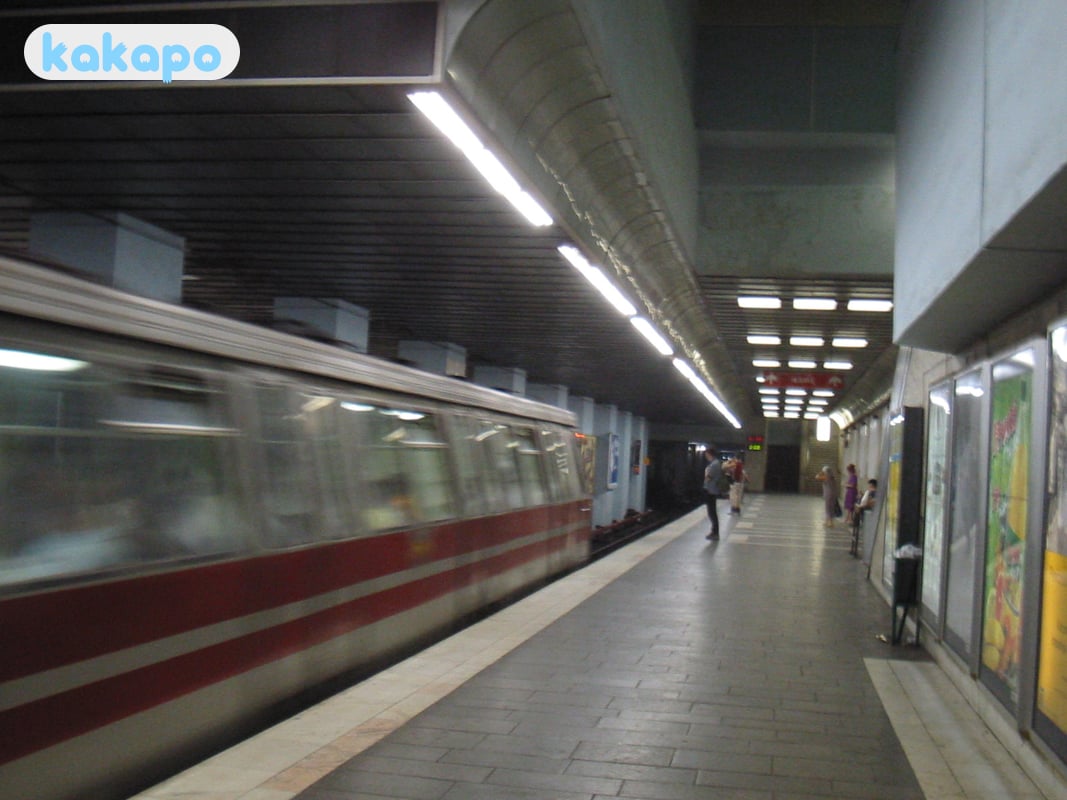
- Bucharest Metro: 5 lines, Soviet-era + new construction. ~RON 3 single. Fast and useful.
- Buses + trams (STB): extensive. Activ card or contactless.
- Taxis: with meter; Bolt/Uber preferred.
- Henri Coandă International Airport (OTP): 18 km north. Express bus 783 RON 7. Train (since 2020) RON 8 ~25 min. Official taxi RON 50-70. Bolt RON 40-55.
- Trains to Transylvania: Brașov 2.5h, Sibiu 5h. CFR Călători schedule reasonable; book on cfrcalatori.ro.
Day trips — Bran, Peleș, Brașov
- Bran Castle (Dracula's Castle): 2.5h drive or train. The most-touristed Transylvanian site. Underwhelming relative to its fame; better to see Peleș Castle or Sighișoara if you have a day.
- Peleș Castle (Sinaia): 2h drive. The genuinely beautiful 19th-century summer palace. Recommended.
- Brașov: 2.5h train. Saxon medieval town, walkable, charming.
- Bear safety in the Carpathians: brown bears genuinely roam the forest reserves around Brașov. Don't approach. Don't feed. Roadside-bear-photo culture has caused fatal incidents.
- Driving: motorways are improving; rural roads can be slow.
Money, food, the cost story
- Currency: Romanian leu (RON/lei). $1 ≈ RON 4.5. Not euro (Romania to adopt likely 2027-28).
- Cards: widely accepted.
- Cash exchanges: Banca Transilvania, BCR. Avoid airport currency exchanges.
- Tipping: 10%.
- Cost: cheap by EU standards. Dinner RON 60-150 (€12-30).
- Tap water: safe in Bucharest.
- Local food: sarmale, mămăligă, mici, ciorbă de burtă, papanași.
Practical info — emergency numbers
- European emergency: 112.
- Police: 112.
- Ambulance: 112.
- Regina Maria (private): +40 21 9268.
- MedLife (private): +40 21 9646.
Bring: credit cards (not debit), an unlocked phone (Orange RO, Vodafone RO, Digi prepaid SIMs), and travel insurance. Use Bolt or the official airport-taxi voucher system; never accept a "taxi" from someone approaching you in the airport hall.
Frequently asked questions
Is Bucharest safe to visit in 2026?
Yes — Bucharest scores 78/100 here, moderately safe. Romania sits at US State Department Level 1 and UK FCDO is the same. Crime against tourists is uncommon by violent measures. The realistic concerns are Romania's worst-in-EU ATM-skimming rate (use bank-lobby ATMs only), persistent taxi-scam attempts at OTP airport and from tourist hotels, the Lipscani Old Town bait-and-switch 'strip club' tab-inflation pattern, and a small residual risk from outer-district stray-dog packs (dramatically reduced since the 2013 culling laws but not zero).
Is Bucharest safe at night?
Yes for Lipscani (the pedestrianised Old Town café-bar district) and the main central streets — well-policed and busy until late. Standard precautions on the British and Italian stag-do scene Friday-Saturday: drink-spiking is rare but reported, and the outer Lipscani side streets host the bait-and-switch 'strip clubs' that charge €500 for two beers. Stick to busy mainstream bars, ignore tout invitations, and use Bolt rather than walking back to your hotel at 03:00. Outer industrial districts after dark have residual stray-dog packs and are not on tourist itineraries.
Is Bucharest safe for solo female travellers?
Yes for the central tourist areas, with extra awareness. Solo dining in Lipscani is routine. The bigger awareness items are scams rather than personal-safety threats: never use street-corner ATMs (use only bank-lobby machines at Banca Transilvania, BCR, ING), never accept a taxi from someone approaching you in the OTP airport hall (use the official kiosk-voucher system or Bolt), and avoid 'strip club' and 'private bar' tout invitations in Lipscani's outer streets. Standard precautions on drink-spiking at touted bars; stick to busy mainstream venues.
Can you drink tap water in Bucharest?
Yes — Bucharest tap water is safe and EU-standard, though some visitors find the taste chlorinated. Restaurants will serve it on request, though bottled is the default in most. Carry a refillable bottle; bottled is cheap and widely available if you prefer.
What's the biggest scam to avoid in Bucharest?
ATM skimming — Romania has the highest documented ATM-skimming and shimming rate in the EU, and tourist cards are particular targets. The defence: use only ATMs inside bank branches (Banca Transilvania, BCR, ING, Raiffeisen) during business hours, do a quick visual check of the card slot for extra pieces of plastic, cover the keypad when entering your PIN, and use a credit card not a debit card (easier to dispute fraud). Tap-to-pay is widely accepted and safer than ATM withdrawals. Other patterns: airport unlicensed-taxi 'fixed price' offers at 3-5x meter rate (use the OTP official taxi kiosk or Bolt — real fares RON 50-70 to centre), and the Lipscani 'strip club' bait-and-switch where two beers end up on a €500 card charge.
Is the Bucharest stray-dog problem still real?
Dramatically reduced but not zero. Bucharest had Europe's largest stray-dog population through the 2000s — the 2013 Romanian culling laws (controversial, passed after a child fatality) reduced the city-centre population to near-zero by the early 2020s. Central tourist routes have essentially no stray dogs in 2026. The residual risk is in outer industrial districts and abandoned-building areas (Pantelimon, parts of Ferentari, the rail-yard fringes) which are not on any tourist itinerary. If you do encounter a pack — don't run, don't make eye contact, walk calmly past without approaching. Bites are rare; if bitten, get rabies post-exposure prophylaxis at any A&E (Romanian dog rabies is rare but the precaution is standard). For Transylvania day-trips, the genuine animal-risk story is brown bears in the Carpathian forests around Brașov, not strays — never approach, never feed, and skip the roadside-bear-photo culture that has caused fatal incidents.
Sources
Run a business in Bucharest?
Show visitors your Bucharest business is a safe choice. The free Verified by Kakapo badge puts Bucharest's live safety score on your website, links back to your verified page, and updates itself. No cost.
Get the free badge →