


Is Asunción, Paraguay Safe? A 2026 Travel Safety Guide
South America's quietest capital, the centro pickpockets, summer heat (40°C+), the Tri-Border context, and the realistic risks of Paraguay's overlooked capital.

Asunción is one of South America's quietest capitals — Paraguay sees a small fraction of the regional tourism. Crime against visitors in central districts (Manorá, Las Mercedes, Villa Morra) is moderate and concentrated in petty property crime; the city centro after dark is sketchier.
The realistic risks for visitors are the genuine summer heat (40°C+ in January), the standard "no walking with phone in hand" South-America rule, the Ciudad del Este Tri-Border context (Paraguay-Brazil-Argentina), and the Pan-American Highway road conditions.
Paraguay sits at Level 1 on the US State Department's advisory list. UK FCDO is similar. The honest framing for first-time visitors: Asunción is medium (~520,000 city, 3.2 million metro), on the Paraguay River. Most visitors are business or NGO; tourist visits are rare. The Palacio de los López, the Cabildo museum, the Manzana de la Rivera, Loma San Jerónimo (gentrified arts district), and day trips to Areguá or the Jesuit Missions are the visitor anchors.
| Night safety | 51/100 |
|---|---|
| Scam / petty-crime risk | Medium |
| Violent crime (tourists) | Medium |
| Safer neighbourhoods | Manorá, Villa Morra, Las Mercedes |
| Data sources cited | 4 |
| Last verified |
What the score means — 72/100
- Air quality (78) — moderate. Some agricultural-burning haze in dry season.
- Personal safety (72) — moderate. Property crime in centro at night.
- Healthcare (72) — Hospital Bautista, Hospital Italiano are tourist-grade private; complex cases evacuate to Buenos Aires or São Paulo.
- Transport (70) — Uber + Bolt operate; buses chaotic.
Areas — Manorá, Villa Morra, Centro
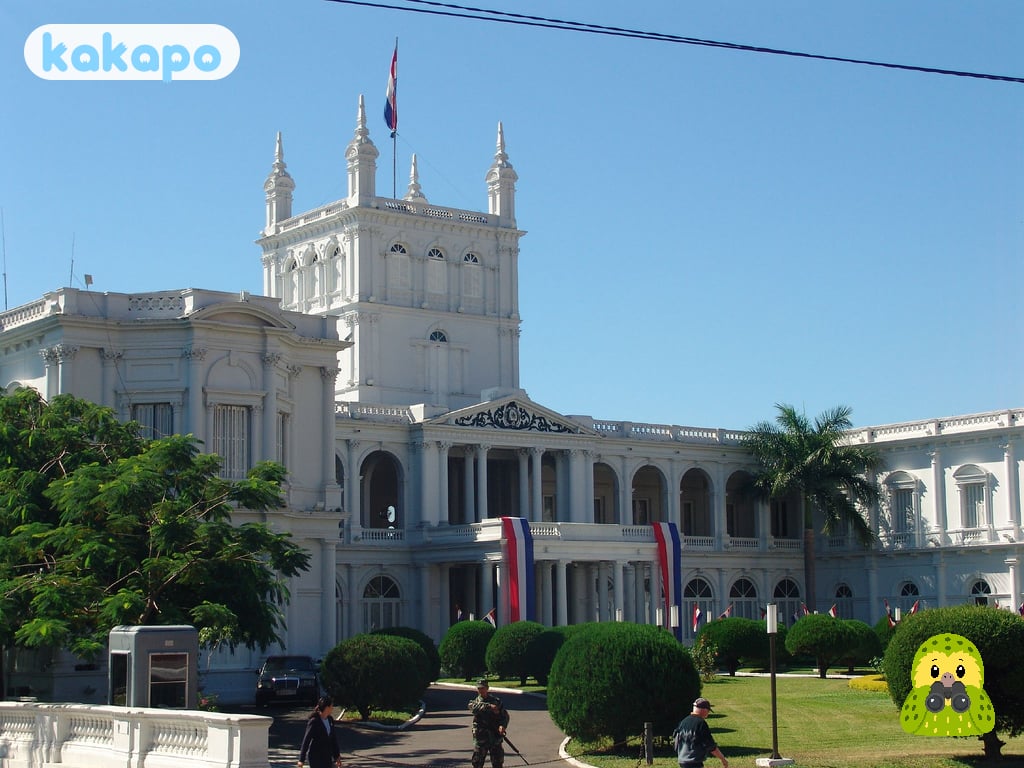
Recommended for visitors: Manorá (modern upscale residential, restaurants), Villa Morra (similar), Las Mercedes (gentrifying), Loma San Jerónimo (gentrified arts district).
Stay aware: Centro Histórico (the colonial centre — daytime fine for the Palacio + Cabildo + churches; nighttime sketchier; phone-snatching elevated). Around the Mercado 4 (large open market — pickpockets dense). Outer barrios: residential, no tourist relevance.
Summer heat
- December-February: 30-40°C standard; humidity high.
- Tereré: Paraguay's national cold-mate drink; shared cup. Taste-test if invited.
- Hydration: 3-4L/day.
- Best season: April-October (autumn-spring).
Ciudad del Este + Tri-Border context
- Ciudad del Este: Paraguay's eastern border city, opposite Foz do Iguaçu (Brazil) + Iguazú (Argentina).
- The "Tri-Border": known for smuggling, organised crime, counterfeit-goods trade.
- Tourist relevance: most visitors transit through to/from Iguazú Falls. The shopping reputation of CDE has faded.
- Don't go casually: stay in tourist-zone hotels; don't venture into outer Ciudad del Este barrios.
- From Asunción: 5-6h bus on the Pan-American Highway.
Scams + the cross-border smuggling reputation
Paraguay's reputation for contraband and counterfeiting (especially across the Brazilian and Argentine borders at Ciudad del Este) shapes some of what visitors should watch for. Asunción itself is calmer, but the patterns extend in.
- Silvio Pettirossi Airport (ASU) taxi quotes: arrivals drivers quote $30-50 USD for a ride that's $10-15 metered/Uber. Take the official airport-taxi voucher counter inside the terminal or Bolt.
- Counterfeit goods: Asunción's Mercado 4 (the city's largest market) has stalls selling counterfeit electronics, watches, and clothing — most of it brought in from Ciudad del Este. Some products work; some don't; warranties don't exist. If you're buying for use, buy in Buenos Aires or Sao Paulo.
- USD-vs-PYG math: Paraguayan guaraní (PYG) is one of South America's lowest-denomination currencies — a hotel night costs hundreds of thousands. Some tourist-strip restaurants quote in USD with worse-than-market PYG rate. Pay in PYG at the proper rate (bank ATM or Western Union).
- "Plainclothes police" stops: rare but documented in Asunción. Real Policía Nacional always wear uniform. Decline anyone in plainclothes asking for ID or wallet inspection; drive/walk to the nearest hotel or police station.
- Counterfeit PYG: the 100,000 guaraní note is the most-faked. Banks and supermarkets (Stock, Real, Casa Rica) give clean change.
- "Help with luggage" at the bus terminal (Terminal de Ómnibus): unofficial porters demand $5-10 for moving your bag 20 metres. Walk past; use the platform's own trolleys or your own wheels.
- Express kidnapping: rare but documented. Use only Bolt/Uber after dark; don't accept rides from anyone approaching you.
Day trips — Iguazu, Jesuit missions, Itaipu
- Iguazu Falls (Foz/Iguazu Brazilian side): 5h drive east, or 1h flight. The classic Paraguay add-on. Day-trip is doable from Asunción only by flight (Air Europa, LATAM via São Paulo); otherwise overnight.
- Encarnación + Jesuit Mission Ruins: 4h south by bus or car. Trinidad and Jesús de Tavarangué are UNESCO ruins of 17th-century Guaraní-Jesuit reductions. Often less-crowded than Argentina's San Ignacio.
- Itaipu Dam: world's second-largest hydroelectric dam, on the Brazilian border at Ciudad del Este. Guided tours daily. Combine with Iguazu.
- Chaco region: north-west Paraguay, dry semi-arid. Mennonite settlements (Filadelfia, Loma Plata). 5-6h by bus from Asunción. Niche but distinctive.
- Lake Ypacaraí + Aregua: 30 min east. Pottery-village day trip. Lake water quality has improved in recent years but swimming still inadvisable; visit for the pottery and ferry rides.
- Border crossings to Argentina: the Friendship Bridge to Clorinda is the standard land crossing. Bring passport + Paraguay entry stamp; Argentine entry can take 1-2 hours during peak.
Transport — Uber, taxis, the airport
- Uber + Bolt + InDriver: all work in Asunción. Cheap. Default tourist option.
- Taxis: agree price first.
- Buses: chaotic; not for casual tourists with luggage.
- Silvio Pettirossi International Airport (ASU): 15 km north. Pre-booked transfer PYG 100,000-200,000 ($14-28). Uber cheaper.
- Don't drive yourself: chaotic; weak lane discipline.
Scams + common hassles
- Phone-snatching at lights: same Brazilian/Argentine pattern. Don't use phone visibly in stopped traffic.
- "Helpful local who pickpockets": standard.
- Counterfeit currency: rare in tourist places; check change.
- ATM skimming: use bank-branch interior ATMs.
Money, food, the cost story
- Currency: Paraguayan guaraní (PYG). $1 ≈ PYG 7,300.
- Cards: at hotels, bigger restaurants; cash for taxis, market.
- USD: useful at hotels.
- Tipping: 10% restaurants.
- Cost: cheap. Mid-range dinner $10-25.
- Tap water: technically safe in Asunción; bottled is universal.
- Local food: chipá (cheese bread), sopa paraguaya (cheesy cornbread), asado, terere.
Practical info — emergency numbers
- Emergency: 911.
- Police: 911.
- Tourist Police (POLITUR): in centro.
- Hospital Bautista: +595 21 600 171.
- Hospital Italiano: +595 21 622 0666.
Bring: light hot-weather clothing, sun protection, a Paraguayan SIM (Tigo, Personal, Claro), USD cash, a contactless card, and travel insurance.
Frequently asked questions
Is Asunción safe to visit in 2026?
Cautiously yes — Asunción scores 72/100. Both UK FCDO and US State Department list Paraguay at Level 1 (exercise normal precautions). Crime against visitors in the upscale central neighbourhoods (Manorá, Villa Morra, Las Mercedes, Loma San Jerónimo) is moderate and concentrated in petty property crime; the colonial Centro Histórico after dark is sketchier with elevated phone-snatching. Realistic risks are the genuine summer heat (December-February hits 30-40°C with high humidity), express-kidnapping reports (rare but documented — use Uber/Bolt/InDriver only after dark), counterfeit goods around Mercado 4, and the Ciudad del Este Tri-Border context if your trip extends there.
Is Asunción safe at night?
In the right neighbourhoods, yes. Villa Morra, Manorá, Las Mercedes and Loma San Jerónimo are routine evening territory with bars, restaurants and the gentrified arts scene. Centro Histórico is fine for the Palacio de los López, the Cabildo and the riverfront promenade by day but gets sketchier after dark — phone-snatching at traffic lights is the dominant pattern. Avoid Mercado 4 and the outer barrios at night. Uber, Bolt and InDriver all work in Asunción and are the default — cheap (PYG 30,000-80,000 for in-city hops) and tracked in-app. Don't accept rides from anyone approaching you. Police: 911; Tourist Police POLITUR are visible in centro.
What scams should I watch for in Asunción?
Silvio Pettirossi Airport (ASU) arrivals taxi quotes are the headline — drivers quote $30-50 USD for what's a $10-15 Uber or PYG 100,000-200,000 metered run. Use the official airport-taxi voucher counter inside the terminal or Bolt. Counterfeit goods at Mercado 4 (mostly brought across from Ciudad del Este — electronics, watches, clothing) are functionally a lottery; warranties don't exist. Some tourist-strip restaurants quote in USD with worse-than-market PYG conversion — pay in guaraní at bank-ATM rate. The 100,000 PYG note is the most-faked; get clean change from supermarkets (Stock, Real, Casa Rica). 'Plainclothes police' stops asking for ID or wallet inspection are scams — real Policía Nacional always wear uniform; decline and drive to the nearest hotel.
Can you drink tap water in Asunción?
Technically yes — ESSAP (Empresa de Servicios Sanitarios del Paraguay) treats Asunción's supply and it meets safety standards in the central districts — but bottled is the universal local default and what every hotel provides. Bottled is cheap (PYG 5,000-10,000 for 1.5L). Outside the central core (outer barrios, anything beyond Limpio) tap water quality drops. Avoid ice in informal street stalls; modern restaurants in Villa Morra and Las Mercedes use filtered ice and are fine. The bigger summer issue is volume — at 40°C you need 3-4 litres a day. Try tereré (cold yerba mate) if invited — Paraguay's national drink, traditionally shared from one cup with a bombilla.
Should I worry about going to Ciudad del Este or the Tri-Border?
Be selective. The Tri-Border (Paraguay-Brazil-Argentina) area around Ciudad del Este is known for smuggling, organised crime and counterfeit goods — but the shopping reputation has faded and the main tourist relevance is transit to Iguazu Falls. From Asunción it's a 5-6 hour bus on the Pan-American Highway or a 1-hour flight (Air Europa, LATAM). If you go: stay in tourist-zone hotels near the Friendship Bridge to Foz do Iguaçu, don't venture into outer Ciudad del Este barrios, and book the Itaipu Dam tour (world's second-largest hydroelectric) with a reputable operator. The Argentina border crossing via the Friendship Bridge to Clorinda is the standard land route — bring passport and Paraguay entry stamp; expect 1-2 hour queues at peak.
Sources
Run a business in Asunción?
Show visitors your Asunción business is a safe choice. The free Verified by Kakapo badge puts Asunción's live safety score on your website, links back to your verified page, and updates itself. No cost.
Get the free badge →